









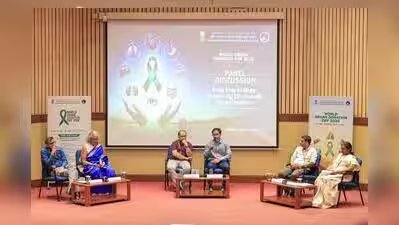
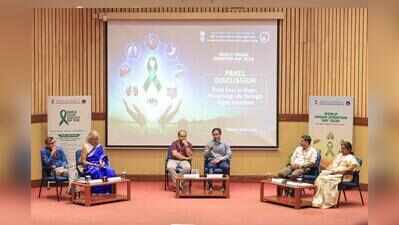
Bengaluru: Since it began functioning as a non-transplant organ retrieval centre in 2018, the National Institute of Mental Health and Neurosciences (Nimhans) has facilitated 94 successful organ and tissue donations, according to a report presented Friday to mark Organ Donation Day (Aug 13).The donations enabled the retrieval of 27 kidneys, 12 livers, four lungs and two hearts, besides 24 heart valves, 20 corneas and five skin donations, said Dr Shashidhara HN, resident medical officer, Nimhans.The centre recorded three donations in 2022, two in 2023, and three in 2024. “After observing that there was not much progress, we joined hands with Jeeva Sarthakathe, the state organ and tissue transplant organisation. We were then able to achieve six donations, including a whole-body donation, in 2025. This year, by the half-yearly mark, we’ve already reached that number,” Dr Shashidhara said.He said organ donation involves several challenges, particularly in medico-legal cases (MLCs), commonly involving people who suffer brain injuries in road accidents or other trauma. “The challenge is not only convincing the family and the health fraternity, but also making law enforcement authorities understand the rules and challenges,” he said.He added that the National Guidelines on Brain Death Certification, released on Aug 3, have provided much-needed clinical clarity on the assessment and certification of brain-stem death.6k await donationKarnataka recorded its highest number of deceased organ donations in 2025-26, with 198 donations yielding 564 organs. However, the number of patients awaiting transplants remains significantly higher.Dr Arun Kumar DP, programme officer, Jeeva Sarthakathe, and deputy director (e-Health), said 5,042 people are awaiting kidney transplants, with an average waiting period of 2.5 to three years. Another 667 are awaiting liver transplants, with an average wait of one to 1.5 years, while 85 are awaiting heart transplants, with a waiting period of three to four months. Forty-four people are awaiting lung transplants.
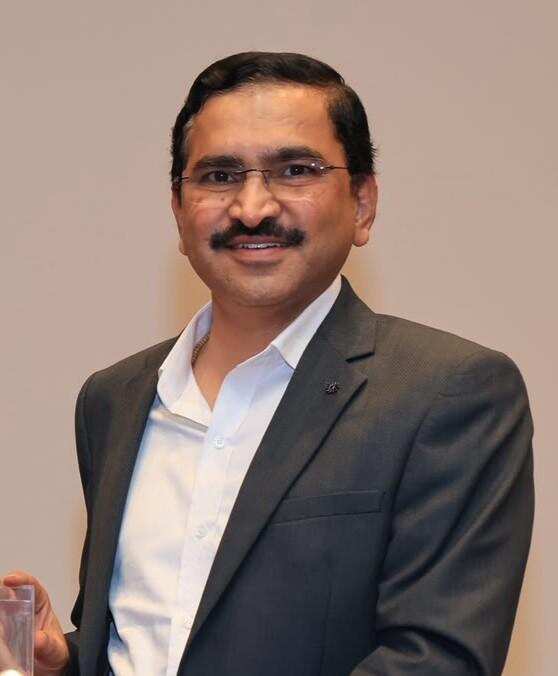
Dr Arun Kumar D P, programme officer, Jeeva Sarthakathe, and deputy director (e-Health), said 5,042 people are awaiting kidney transplants, with an average waiting period of 2.5 to three years
Dr Arun stressed the role of medical practitioners in counselling families and encouraging organ donation. “In many hospitals, there is a delay in brain-death declaration. Don’t do that. Not just for the sake of organ donation, but because declaring it on time also gives families time to prepare,” he said.Natarajan Vittal, a technology executive and IISc alumnus who decided to donate his daughter’s organs in 2024, said counselling at the hospital helped the family make the decision. “When we realised she was going away, we decided we could do something for all those families. A mother, when she gives birth, brings one new life; an organ donor can save seven to eight lives,” he said.