


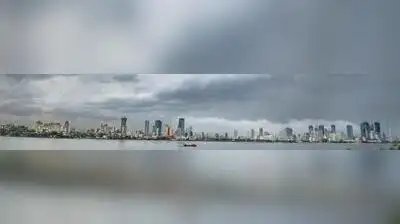
Mumbai: With Mumbai Climate Week (MCW) 2027 scheduled to be held in the city from Feb 23 to 26 next year, advanced locality management groups and think tanks from across Mumbai have begun working towards identifying local climate and civic issues that can be taken up at the ward level.At a community leaders meeting hosted by MCW’s founder Shishir Joshi on Aug 17, they discussed issues ranging from poor public transport and footpaths to waste management, flooding, coastal resilience, loss of green cover and urban heat. Participants will also identify at least two opportunities in their respective wards for MCW-related activities through Dec.Participants at the meeting have already created a WhatsApp group for continued coordination, while ward-level pilots are expected to generate actionable recommendations that can eventually be scaled up across the city.Zahida Banatwala of the Juhu Citizens’ Welfare Group said the intent behind the initiative like the climate week was positive, but stressed that residents wanted to see visible changes on the ground.“Climate change is real. We have been talking about it and living with its effects for years. By 2030, we should be able to see visible changes. By 2040, some parts of Mumbai could face serious consequences, including the threat of being under water,” she said.Banatwala said the focus now should be on addressing visible signs of environmental deterioration, including air and water pollution, shrinking open spaces and green cover, water bodies, solid waste management and the diseases associated with poor environmental conditions.The meeting, attended by 14 community representatives, also discussed the possibility of piloting ward-level climate action in S Ward and the K-West and K-East wards. Pamela Cheema of Powai ALM said several concerns raised by residents had been documented during the meeting, including garbage accumulation, footpath conditions and preparedness at the ward level. “The feedback from respective wards has been very frank and forthright. There are many issues that residents want to see addressed,” she said.Participants raised concerns over coastal resilience, including rising sea levels, protection of mangroves and changes or dilution in CRZ/CZ regulations.The impact of urban concretisation was also discussed, with participants stating that excessive concretisation contributes to the urban heat island effect and reduces the ability of rainwater to seep into the ground. Alternatives to conventional road materials, stormwater management and the quality of construction materials used across wards were discussed. “Many of us in Bandra West still live in ancestral properties, but with redevelopment happening all around us, it is becoming a serious concern. We cannot look at redevelopment only through the lens of individual or commercial interests. Our roads are already narrow, and as more ground-floor bungalows are replaced by tall buildings, we risk blocking the natural sea breeze that helps circulate air through the city. This can also trap vehicular pollution. By October-November, the impact of air pollution will become more visible. These are not issues we can afford to ignore in the name of the city’s development,” said Natasha Pereira, a Bandra resident.