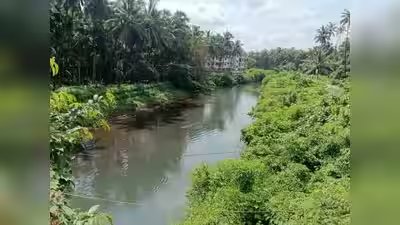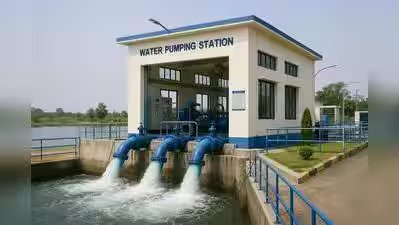









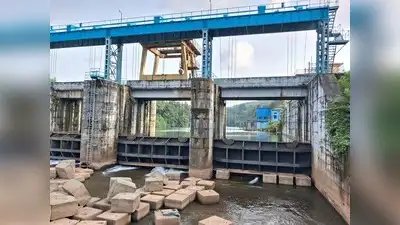
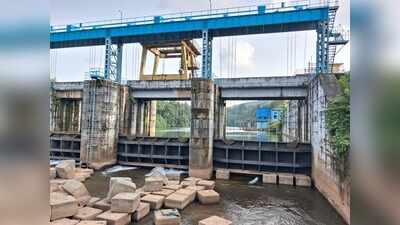
Ponda: In a bid to prevent a water crisis during summer, the water resources department (WRD) has shut all six gates of the barrage near Opa Water Works in Ponda, while bandharas across the Khandepar and Kalay rivers are being closed. Of the 19 bandharas, most had been closed by Saturday as the department stepped up efforts to conserve water for the coming months.The Khandepar river is perennial, with tributaries such as the Kalay and Udnhoi rivers, along with streams from the Dudhsagar waterfalls, naturally replenishing its flow throughout the year. However, the prolonged gap in rainfall has affected water levels, prompting the department to take measures to retain water in the river basin.“However, with a long gap in the monsoon, the river level has been dipping and we have already shut the gates of Ganjem and Opa barrages. The bandharas are being closed to prevent water from being washed out,” said WRD deputy chief engineer Ankush Gaonkar.The water level of the Khandepar river at Opa water works, where raw water is drawn for treatment, stood at 4.9 metres at 7pm on Saturday, said Sadanand Naik, an assistant engineer with the WRD.A total of 153 million litres per day (MLD) of raw water is drawn from the river basin for treatment, of which around 142 MLD is supplied to consumers. The department is taking steps to ensure sufficient water remains available as the state approaches the summer months, when rising temperatures can further affect water availability.Five water treatment plants under Opa Water Works, located at Khandepar village in Ponda taluka, supply water to 11 assembly constituencies. These include Ponda, Panaji, Taleigao, St Andre, parts of St Cruz, Cumbharjua, Priol, Marcaim, Shiroda, Valpoi and Sanvordem. The plants cater to a large number of consumers across these areas, making the conservation of water in the river basin particularly important.Naik said the Khandepar river has 13 bandharas, while the Kalay river has six. He said the department monitors water availability and takes steps to conserve supplies as river levels decline. During periods of intense heat, water can be lost through evaporation and underground seepage, further reducing the quantity available for treatment and distribution.In such circumstances, particularly during summer, the department draws 70 MLD of water from Ganjem bandhara, 30 MLD from mining pits and 48 MLD from the Selaulim dam to supplement supplies and meet demand.