







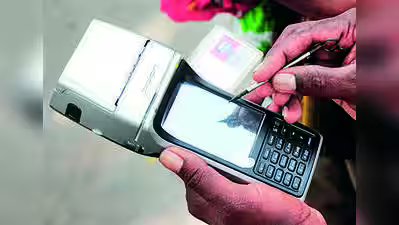

Mumbai: Unpaid fines for traffic violations across Maharashtra have reached a staggering Rs 5,724 crore in seven years since the launch of the ‘one state, one e-challan system’, according to traffic police data.While Lok Adalats are typically the most effective tool for settlement of e-challan matters at pre-litigation stage, the upcoming Lok Adalat on September 12 will not be hearing these cases, dealing a blow to the state traffic police department’s efforts to recover fines.Other states have come up with a host of strategies for ensuring motorists pay up their dues — offering rebates in payments, blacklisting defaulters and setting up traffic courts. Maharashtra could take a page out of their book.Between January 2019 and August 2026, traffic units in Maharashtra issued 12.8 crore challans. More than half of those have not been cleared. Out of Rs 8,678 crore in total penalties handed out, 66% remain unpaid. Maharashtra has few dedicated traffic courts. With an average of 15,000 challans being generated every day, the current system is completely overwhelmed.Explaining how Delhi handles e-challan matters, a senior police officer said: “Delhi courts hear traffic cases for two hours in the evenings on weekdays, besides separate weekend courts, to push through high volumes of cases quickly. We could adopt something similar.”Lok Adalats in Delhi as well as Kolkata continue to hold hearings for settlement of e-challan matters at the pre-litigation stage.Bengaluru was one of the first Indian cities to generate e-challans through the rollout of its contactless enforcement project, but the authorities were finding it challenging to collect penalties from motorists. Then Bengaluru Police hit upon an idea — they started to offer discounts and rebates on payments of dues. “People paying up fines voluntarily were fewer in number. But after discounts were announced, there was a noticeable change. More offenders showed an interest in paying fines,” said an IPS officer.After a 50% rebate scheme was reintroduced in 2025, fine collections hit an all-time high. Traffic police recovered Rs 258.16 crore in 2025, a massive surge from the Rs 84.91 crore collected in 2024. Of this, Rs 134 crore was recovered particularly during the rebate scheme, clearing backlogs.Similarly, this year, discounts were announced in June-July and the traffic police were able to recover Rs 18.15 crores from offenders, closing 6 lakh traffic violation cases.In Kerala, defaulters face the prospect of being blacklisted (not to be transacted with) if they haven’t paid up more than five challans. Amnesty schemes are also implemented to collect arrears.“The Motor Vehicle Department of Kerala sends a text to the motorist concerned, once a challan is generated, and if the motorist fails to pay the fine, the case is transferred to the judicial first class magistrate court. If he still does not pay up, then the case is transferred to the additional chief judicial magistrate for prosecution,” said an official. Typically, motorists pay fines once the case reaches court or if he/ she is unable to process any vehicle-related services.West Bengal Police, along with the state’s transport department, have launched a unified e-challan portal, Sanjog, to facilitate collection of fines.Maharashtra traffic police have proposed a slew of solutions to turn things around, but are waiting for a nod from the government before these can be implemented.One of the proposals is to set up portable counselling booths where offenders have to sit through two hours of lectures on road safety. Officials hope the fear of giving up time from their schedules will deter motorists from violating rules in the future.Other proposals include launching virtual traffic courts and using AI-based voice calls to remind offenders to pay up. Police have suggested running announcements on FM radio, warning offenders that they won’t be able to sell their vehicles while fines remain unpaid, and linking challan payment with vehicle insurance so that owners with pending dues face higher premiums.(Reporting by Nitasha Natu in Mumbai, Rajiv Kalkod in Bengaluru, T C Sreemol in Kerala and Tamaghna Banerjee in Kolkata)What the rules say…* According to a notification issued in January 2026 by the Ministry of Road Transport and Highways, a motorist will have 45 days to contest a challan if he does not accept it. He can contest the challan online with documentary evidence within this period. Once 45 days are over, it will be assumed that he has accepted the challan * Maharashtra traffic police department is considering setting up a grievance redressal authority for each district.The e-challan and fines dataMaharashtra: Jan 2019 to Aug 2026* Total E-challans issued: 12.8 crore* Total fines imposed: Rs 8,678 crore* E-challans cleared: 5.43 crore* Fines paid: Rs 2,953 crore* E-challans uncleared: 7.2 crore* Fines unpaid: Rs 5,724 croreKarnataka: 2019 to April 2026* Violations recorded through contactless enforcement in Karnataka: 7.47 crore* Penalties yet to be recovered in Karnataka: Rs 2,727 crore* Penalties yet to be recovered in Bengaluru alone: Rs 1,800 croreKerala: June 2023 to Aug 2026* E-challans issued: 1.53 crore* Total fines imposed: Rs 994 crore* E-challans cleared: 60 lakh* Fines paid: Rs 356 crore* E-challans uncleared: 93 lakh* Fines unpaid: Rs 636 croreKolkata, West Bengal: 2019 to Aug 2026* Fines unpaid: Rs 200 crore