






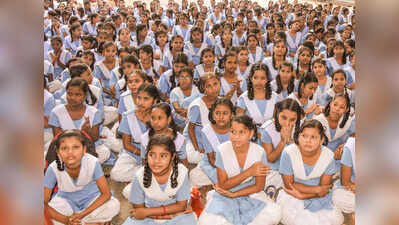
Jaipur: Rajasthan has recorded its highest-ever female-to-male enrolment ratio in higher education, with 129 girls admitted for every 100 boys in undergraduate and postgraduate courses in the 2025-26 academic session.According to the state higher education department data, 7,02,179 girls and 5,53,630 boys secured admissions this year, taking the total enrolment to 12,55,809. The figures indicate that girls continue to outnumber boys in colleges despite an overall decline in admissions.The gender gap has widened steadily over the past decade. While there were 97 girls for every 100 boys in 2015-16, the ratio has risen consistently since crossing parity in 2016-17. Category-wise data for 2025-26 also shows women outnumbering men across all major social groups.The highest ratio was recorded among Scheduled Tribes (ST), where there were 134 girls for every 100 boys, followed by the General category (129), Minorities (128), OBCs (126) and Scheduled Castes (122). Compared with the previous academic year, all categories registered an increase.Communications expert for RSLDC’s SheWorks project, Abir Ahmed, attributed the trend to sustained investments in girls’ education. “Free education in govt colleges, scholarships, improved hostel facilities, transport support and greater social acceptance of higher education for women have contributed to the steady rise in female enrolment. Over time, this should translate into higher female participation in Rajasthan’s workforce,” she said.Public policy planner Malvika Mudgal said the data also points to another trend that deserves attention. “The more significant policy question is why boys are disappearing from college classrooms. While the rise in girls’ enrolment is encouraging, policymakers must understand why a growing number of young men are opting out of higher education,” she said.Mudgal said the gains among historically underrepresented communities were particularly significant. “The number of girls per 100 boys in the ST category has increased from 87 in 2015-16 to 134 in 2025-26, while among minority communities it has risen from 88 to 128 over the same period. It shows that higher education is becoming more accessible to women from these communities,” she said.