











Bengaluru: Snakebites kill around 50,000 Indians annually. In a groundbreaking achievement, Indian Institute of Science (IISc) in Bengaluru, in collaboration with Denmark Technical University, has created a lab-made antivenom specifically designed to combat venom from lethal cobras and king cobras.The recombinant nanobody-antivenom combines five different nanobodies that successfully neutralise various cobra venoms. The study was published in Science Translational Medicine on Wednesday.A nanobody is a particularly small type of antibody originally derived from the unusual antibodies naturally found in camelids such as camels, llamas and alpacas. “The novel nanobody cocktail efficiently targets both spectacled and monocellate cobras of India, as well as both species of the king cobra of the Western Ghats and northeastern parts of the country, through modern biotechnology,” Kartik Sunagar, lead researcher of the study, told TOI, adding that spectacled cobras are responsible for the greatest number of snakebite-related deaths and disabilities in the country and globally.The antivenom will be clinically tested before being used for treating snakebites. Sunagar said that human clinical trials require a lot of funding and support from the Union govt.However, the researchers found that the recombinant antibodies they developed do not protect against kraits and are unlikely to be effective against vipers. Although these antibodies do not yet address the full spectrum of local snake venoms, their flexible design permits the incorporation of additional antibodies to enhance efficacy. This technology paves the way for more effective recombinant antivenoms, offering renewed hope for communities affected by snakebites.PHOTO QuotesThe lab-made antivenom is effective even after significant treatment delays, and smaller doses can still yield remarkable outcomes. Pre-clinical studies conducted on mice have yielded promising results. This advancement is crucial when dealing with venom from prominent elapid snakes like spectacled cobras.-Kartik Sunagar, lead researcher and associate professor at Centre for Ecological Science, IISc, BengaluruOne of the most exciting aspects of this work is that we could repurpose nanobodies originally developed against African snake toxins to neutralise venoms from Indian snakes.-Andreas Hougaard Laustsen, professor, Technical University of Denmark
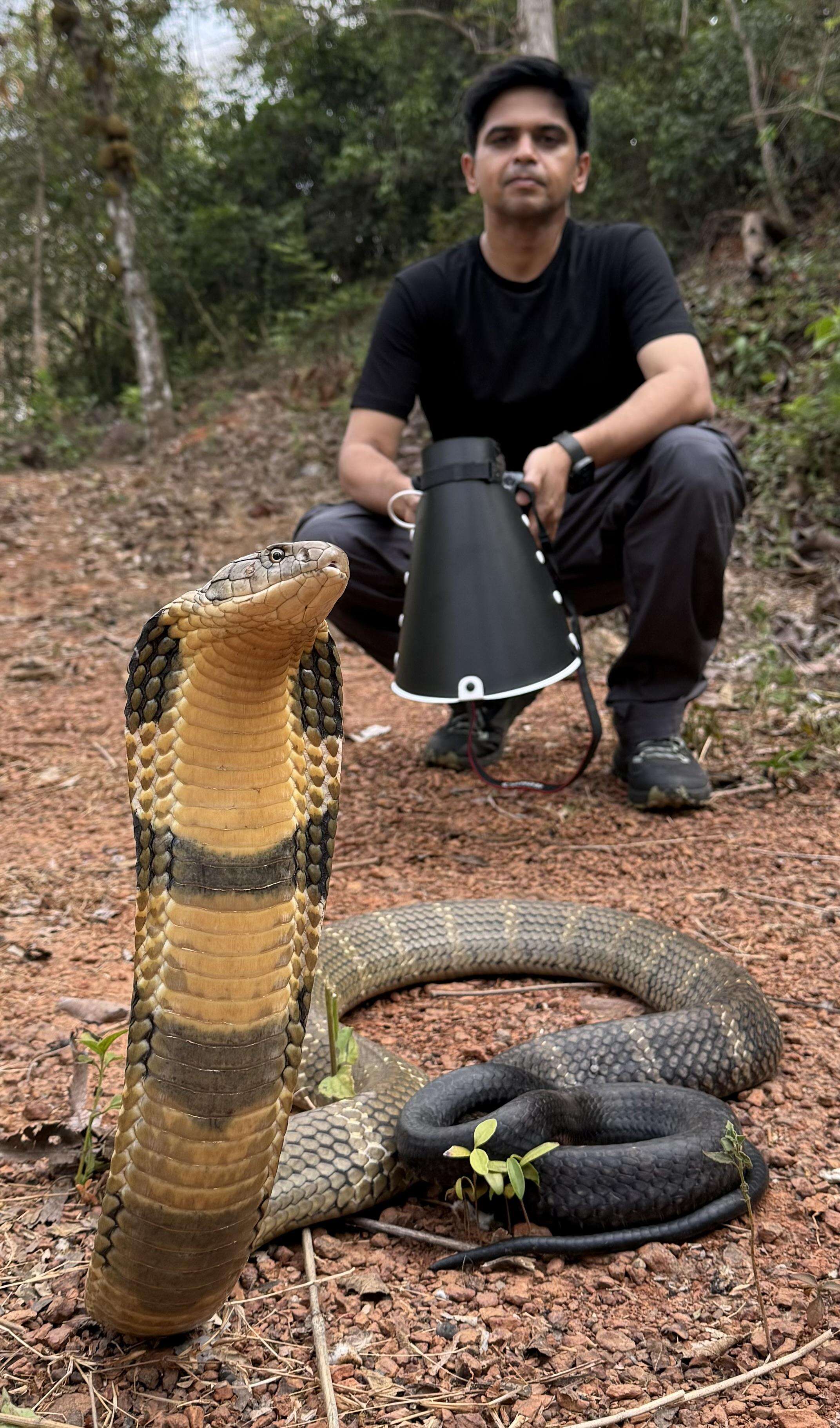
Kartik Sunagar
The study shows that we can target shared medically relevant toxin families rather than designing antivenoms for each snake individually. It also brings recombinant antivenoms one step closer to the patients who need them the most.
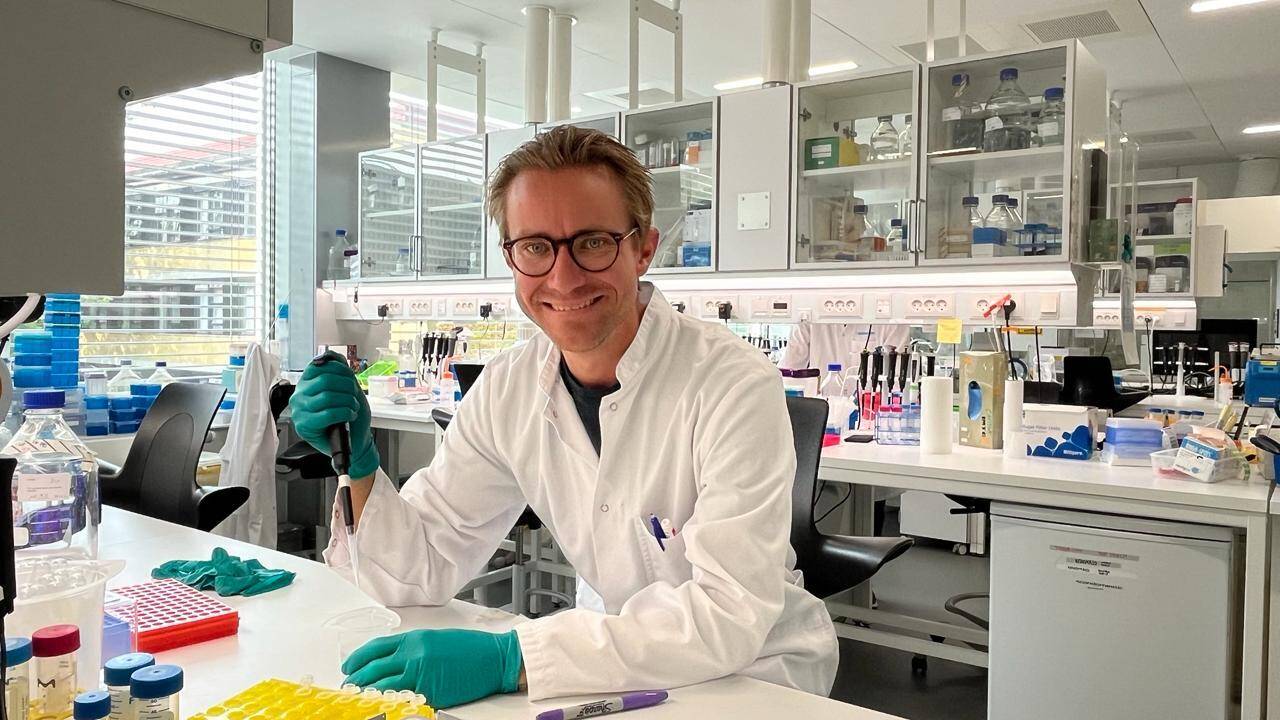
Andreas Hougaard Lausten
-Anne Lungars, senior researcher, Technical University of Denmark
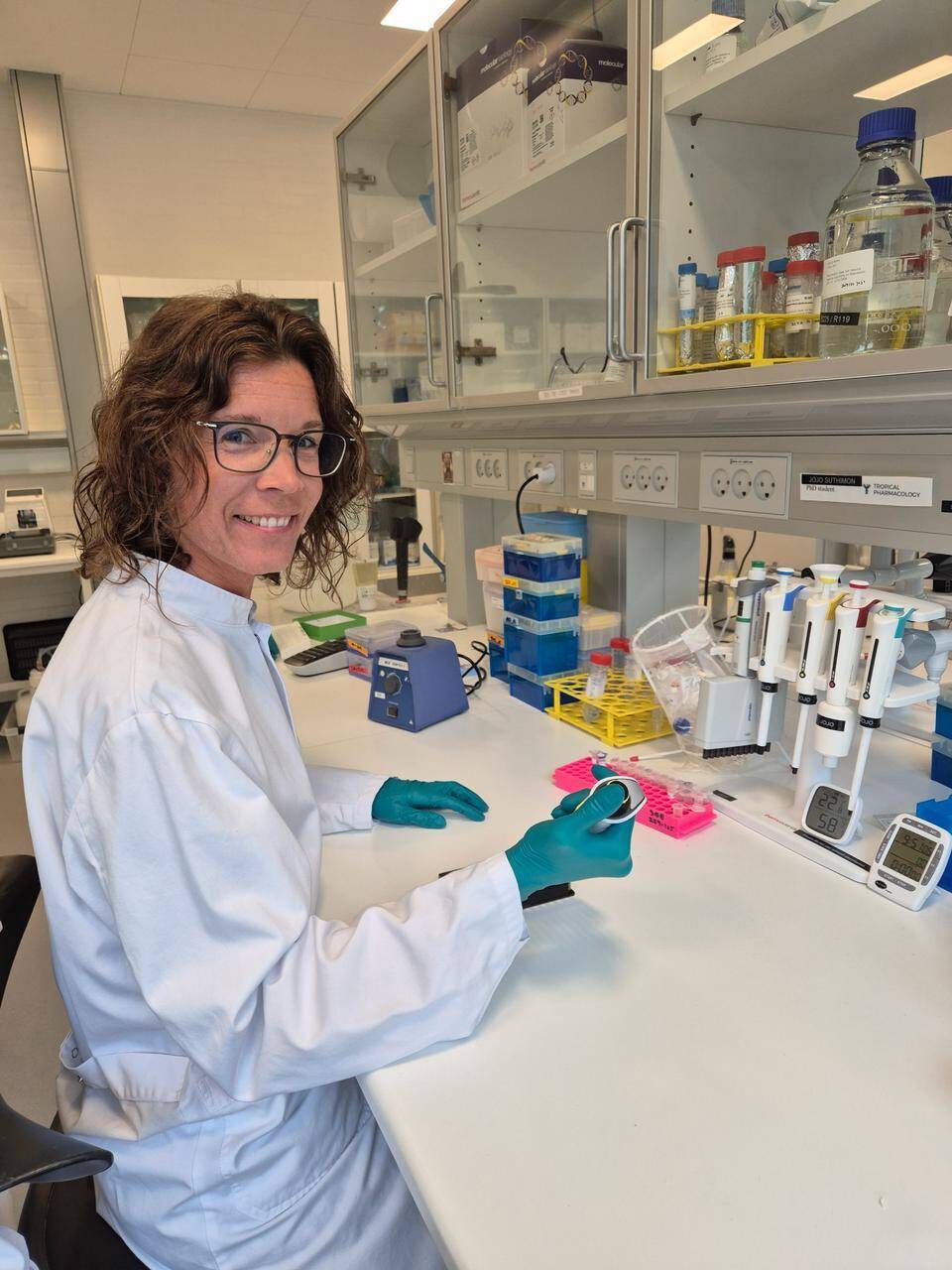
Anne Lungars