






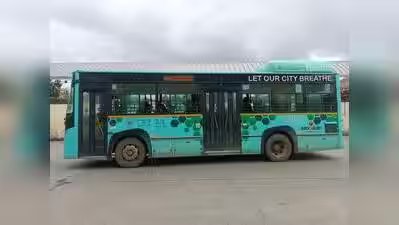
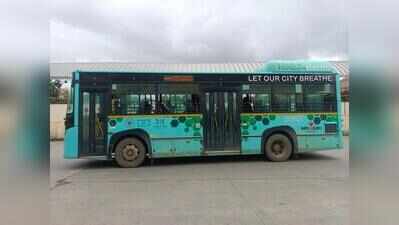
Bengaluru: With Namma Metro’s operational network set to cross the 100 km mark with the expected opening of the elevated stretch from Kalena Agrahara to Tavarekere, the challenge of getting commuters to and from stations remains. BMTC is now planning to strengthen the last-mile connectivity by introducing mini-buses that can navigate narrow roads and serve residential neighbourhoods.While the state govt has given the green light for 200 mini-buses, BMTC is likely to procure 100 7-metre-long buses and another 100 measuring 9 metres. The govt will fund their procurement.BMTC managing director Raghunandan Murthy said the proposed 7-metre buses would have a seating capacity of 20-22 passengers. “These will be diesel buses. We will float a tender in the coming days after receiving the govt order. It may take around three months to induct the buses after the tendering process is completed,” he said.The corporation is also examining the feasibility of introducing an automatic fare collection system on select routes. However, officials said it might not be practical on all feeder routes, particularly where bus stops are located close to one another.“We will assess the feasibility based on the distance between the stops. On routes where the distance is longer, such a system may be viable. Most buses, however, will have conductors to collect fares from passengers,” the managing director said.The mini-bus proposal was deliberated upon by multiple agencies, including Greater Bengaluru Authority, BMTC, BMRCL, city police and the Directorate of Urban Land Transport (DULT). Officials said DULT would study feeder-bus requirements across the network and recommend routes based on demand, taking into account both operational Metro corridors and upcoming stretches, including Pink Line. “Seven-metre buses will be deployed on narrow roads, while 9-metre or 12-metre buses will operate on roads that can accommodate larger vehicles,” an official said.Officials said BMTC currently operates around 90 nine-metre electric buses, along with about 250 nine-metre Tata buses and 160 buses manufactured by Ashok Leyland. Many of its older nine-metre diesel buses, introduced from 2012 onwards, have crossed their prescribed operational limit of nine lakh kilometres and are due to be phased out.BMTC had earlier operated nine-metre Swaraj Mazda buses, but these were eventually phased out. Officials said that while several manufacturers now produce 7-metre buses, most are used for school transport or by private companies for employee commutes.BMTC had inspected 7-metre buses manufactured by different companies before drawing up specifications for urban services. The assessment covered seating capacity, headroom for standing passengers, floor height and other operational requirements.