









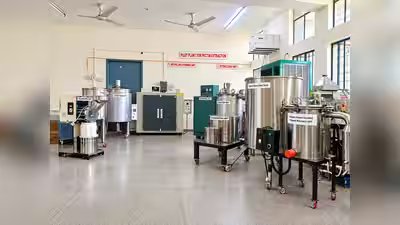
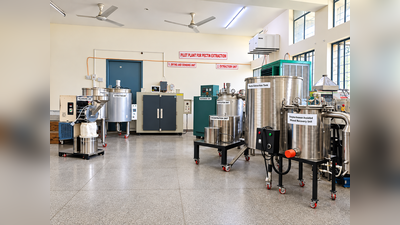
Ludhiana: Punjab Agricultural University (PAU) has developed and commercialised a technology to extract pectin—a high-value industrial raw material—from discarded kinnow and mosambi peels.Developed by the university’s department of processing and food engineering, the process converts citrus processing residue into a commercial ingredient, reducing post-harvest waste and cutting India’s reliance on imported pectin.Pectin is a plant-based polysaccharide (complex carbohydrate) widely used across food, pharmaceutical, and cosmetic industries as a gelling agent, thickener, stabiliser, and emulsifier in products like jams, beverages, dairy, and confectionery.PAU has already transferred the technology to a commercial firm for adoption. The university’s pilot-scale plant processes 150 kg of fresh peel daily across 50 kg batches, yielding a 14% extraction rate from kinnow peel and 18% from mosambi peel.Dr Mohammed Shafiq Alam, principal scientist in the department of processing and food engineering, noted that the batch-type plant requires low operating manpower and offers high returns for entrepreneurs.At current market rates of ₹1,500 to ₹3,000 per kg for pectin, Dr Alam stated that an initial investment of ₹10 lakh in a plant operating 200 days a year can be recovered in less than twelve months.The initiative supports domestic supply chains as rising import costs make offshore purchasing increasingly unviable, reinforcing PAU’s broader focus on value addition, post-harvest loss reduction, and “wealth from waste” processing model.