




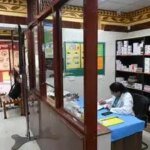
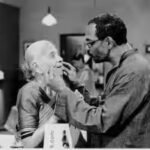


In 1782, a year after a famine, Madras opened a ‘kanji-thotti’ (gruel house) to feed the poor. The centre became associated with the Monegar Choultry, which provided food and assistance. Today, it functions as a home for the elderly.Over the years, the city’s response to homelessness expanded from relief to housing. In the 1940s, corporation commissioner J P L Shenoy raised funds for a municipal ‘poor fund’, following which family sheds were set up in Triplicane and later housing blocks on Ritchie Street. They had private cooking spaces and separate toilets.Today, Chennai faces a question that goes beyond getting people off the streets: How can it provide homes that also allow them to earn a living? “One of the biggest problems with how homelessness is addressed is the approach. Officials assume that giving people a house solves homelessness. It doesn’t. People need to earn a living and sustain their livelihoods. That becomes difficult when they are housed several kilometres away from where they work,” says Geetha R, founder and advisor of the Unorganised Workers Federation. “Many are street vendors and domestic workers who struggle to restart their livelihoods after being evicted from an area. Eventually, they leave these houses and return to the streets.”Ahead of World Homeless Day (Oct 10), the Information and Research Centre for Deprived Urban Communities (IRCDUC) and Madras School of Social Work (MSSW) organised a consultation programme with NGOs, stakeholders and community members to address issues among the homeless ranging from mental health issues to lack of livelihoods and the importance of food dignity, going beyond providing just temporary shelter.“On the streets, even if they did not have any food, people shared, or passersby would give them something to eat. They had people to talk to. But once they move into apartments, a sense of isolation looms over them, and many begin feeling trapped,” says Preetha Krishnan, Co-CEO of Banyan Academy of Leadership in Mental Health. “Several leave these houses and come back to live on the streets.”IRCDUC and MSSW submitted a list of demands to the Greater Chennai Corporation, including skill development at shelters, ensuring livelihoods are safe, provisions for mental health facilities, dedicated financing for homelessness of scheduled castes and scheduled tribes (as 80% of the homeless belong to these communities), and convergence of state govt departments such as police, healthcare, corporation, mental health and skill development.“Transit and recovery shelters are needed as they will help rehabilitate the homeless,” says Vanessa Peter, founder of IRCDUC.