








From a jail officer marrying a former life convict to murder convicts exchanging vows inside prison walls, a series of unusual weddings across India is challenging public perceptions of crime, punishment and rehabilitation.A prison is usually associated with punishment, isolation and loss of freedom. Rarely does it become the setting for love stories, weddings or fresh beginnings. Yet over the past few years, India has witnessed an unusual trend: inmates, former convicts and even prison officials finding love and getting married despite incarceration.The latest examples—from Madhya Pradesh, Rajasthan, Odisha and Punjab—have sparked widespread debate. While some see these marriages as proof that people deserve a second chance, others question whether those convicted of heinous crimes should receive such privileges.
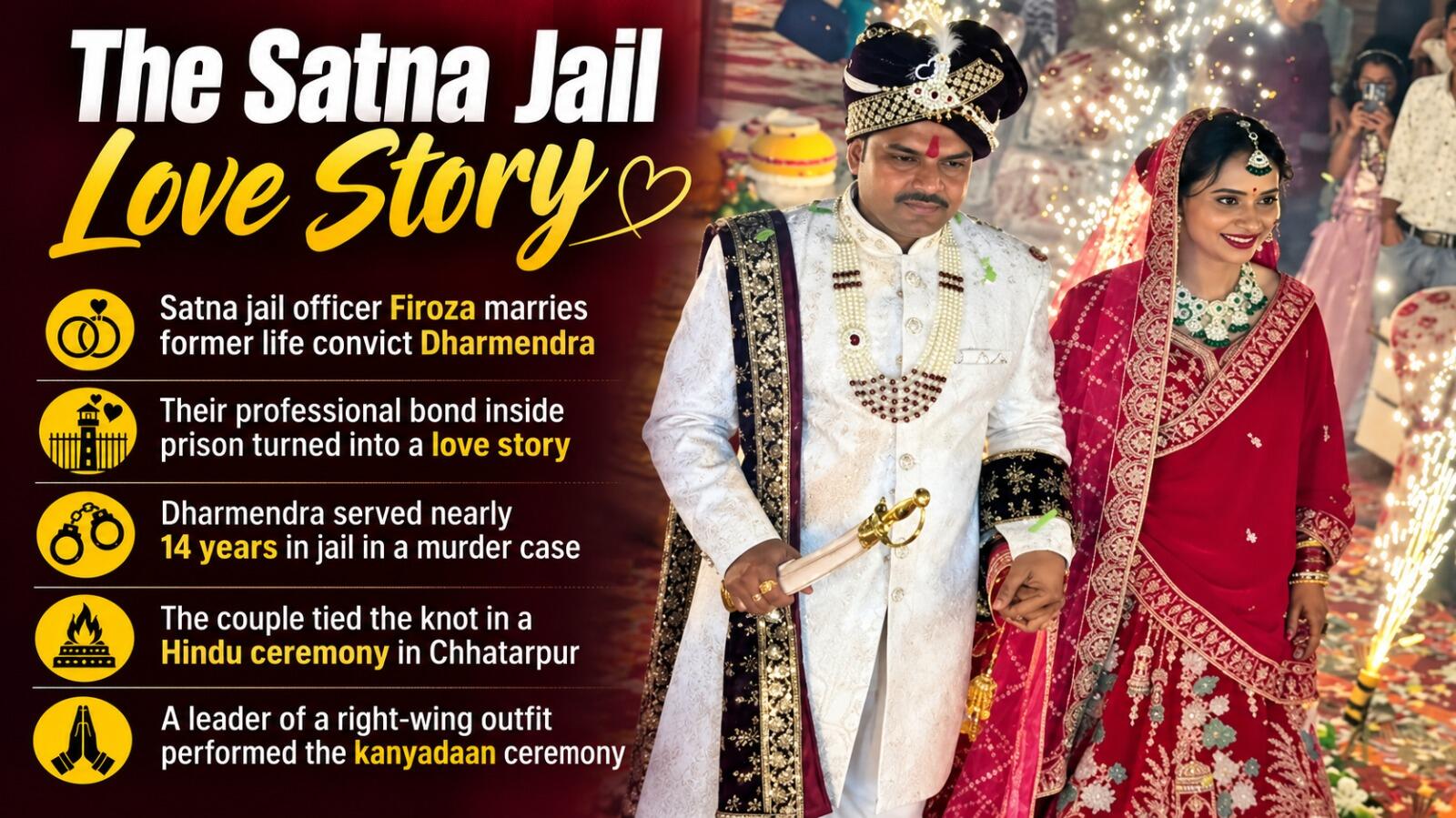
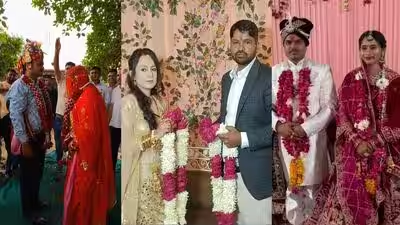
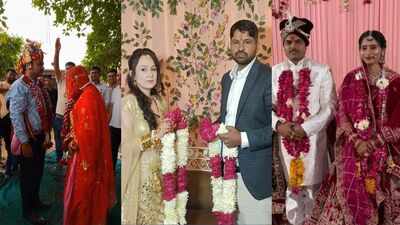
How A Jail Officer Found Her Life Partner Inside PrisonBehind the towering walls of Madhya Pradesh’s Satna Central Jail, where punishment and isolation define everyday life, an extraordinary story of human connection emerged. What began as a professional relationship eventually turned into a lifelong bond.Assistant jail superintendent Firoza, posted as warrant in-charge, married Dharmendra, a former life convict, in a Hindu ceremony in Chhatarpur district on May 5.Dharmendra, a resident of Chandla in Chhatarpur, was serving a life sentence in the 2007 murder case of Krishna Dutt Dixit, former vice-chairman of Chandla Nagar Parishad. He was released after nearly 14 years in prison due to good conduct.During his imprisonment, Dharmendra assisted with warrant-related paperwork and clerical duties as a reward for his good conduct, bringing him in regular contact with Firoza. Their professional interactions gradually turned into friendship and later a relationship.After his release, the two stayed in touch and decided to marry despite opposition from some relatives. The wedding, held in Lavkushnagar, Chhatarpur, was performed according to Hindu rituals with Vedic chants.
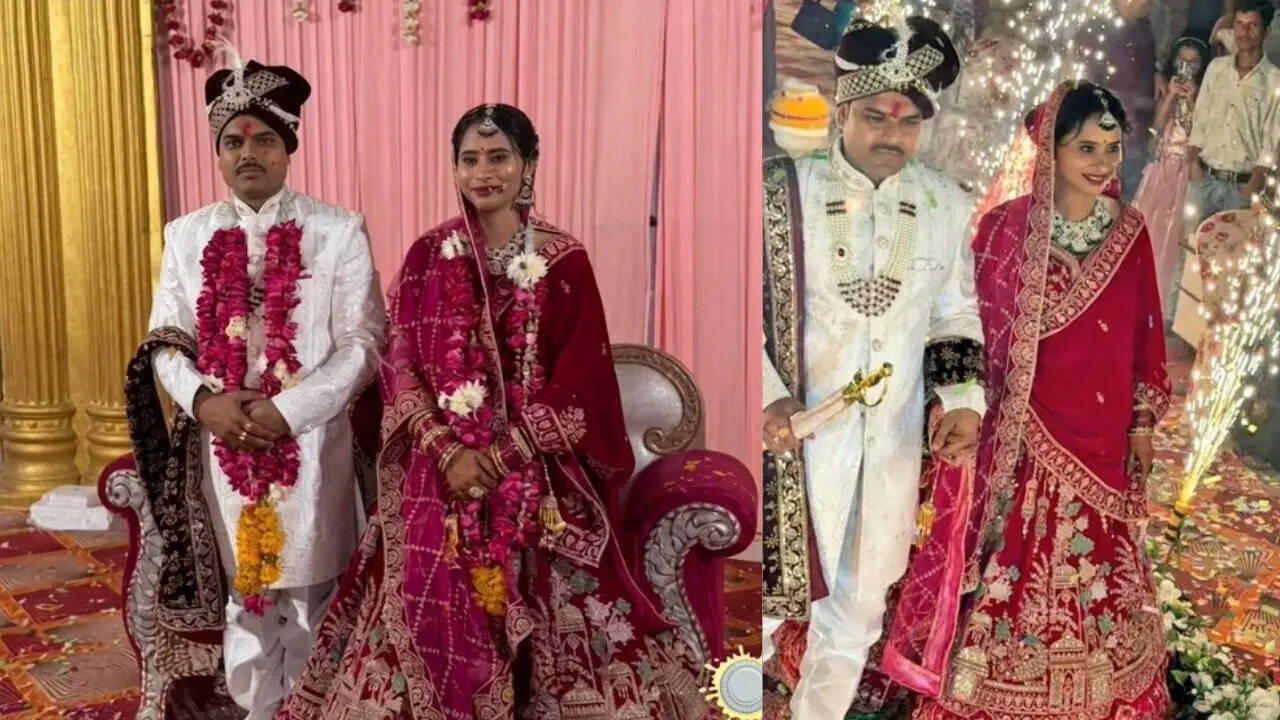
With Firoza’s family members absent, Rajbahadur Mishra, a leader of a right-wing outfit, performed the kanyadaan ceremony. Photos from the wedding went viral on social media, making the couple a local talking point.The unusual marriage has since become a major discussion among officials and inmates at Satna Central Jail, where the couple’s journey from professional association to marriage has drawn attention.Love, Law And Life Behind Bars: How Courts Are Upholding the Right To MarryRajasthan recently saw a rare wedding — a high court permitting two serving life convicts to marry inside an open-air prison.The Rajasthan high court held that the right of two consenting adults to marry forms part of the fundamental right to life and personal liberty under Article 21 of the Constitution.The couple — Moola Ram and Seema Ghadse, both convicted in separate murder cases — married inside the open prison after the court allowed 21 guests to attend. The judges observed that imprisonment does not erase constitutional rights and that marriage can play an important role in rehabilitation.
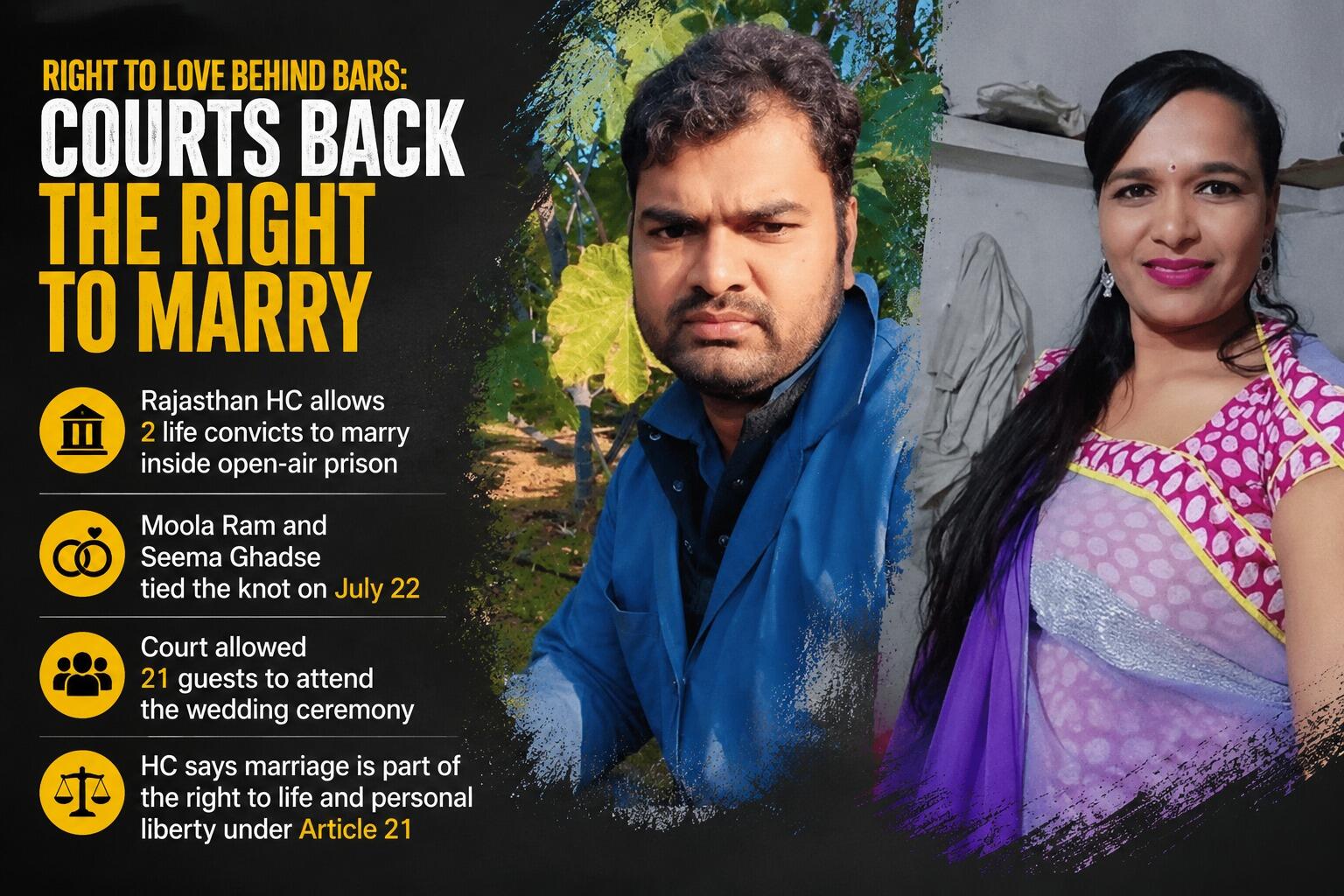
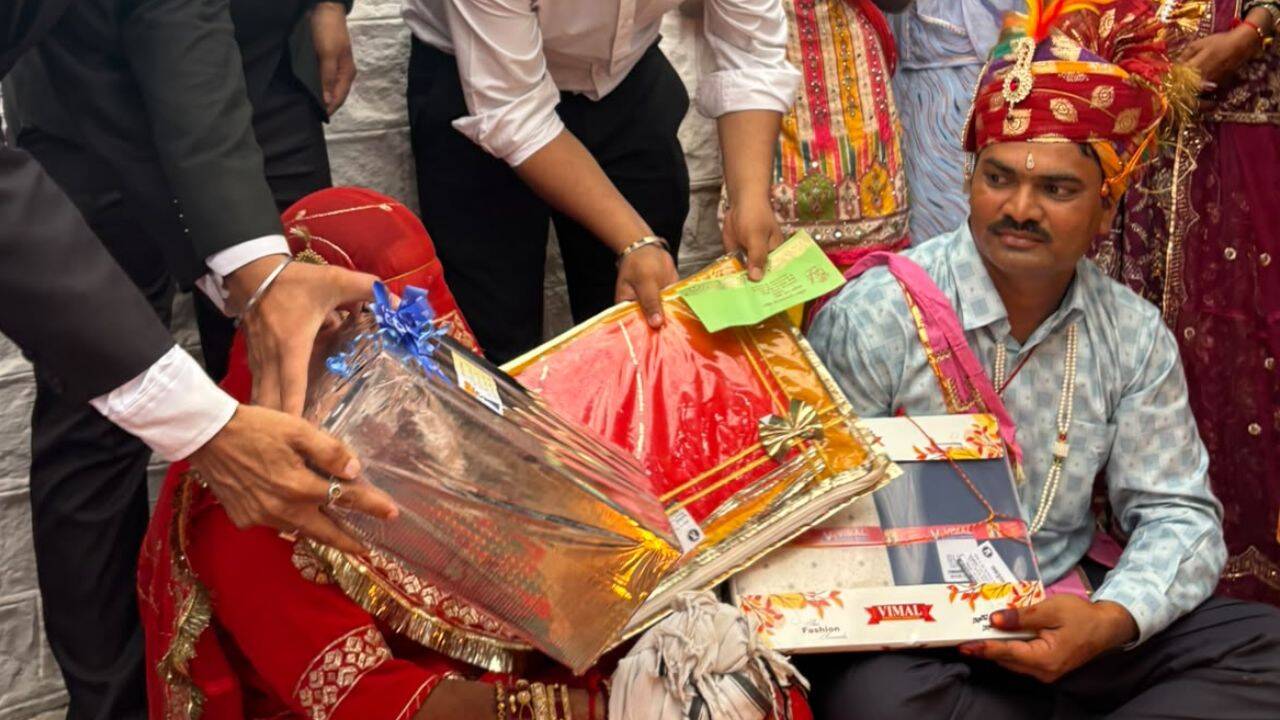
“With the permission of 21 guests, both got married on July 22. Seema had mehendi on her hands, and Moola Ram was happy to welcome his bride,” said Kalu Ram Bhati, counsel for Moola Ram. Both are entitled to a single quarter in the open prison in Jodhpur.Seema is an orphan, and her kanyadan was performed by the parents of a fellow prisoner.Family members, relatives, jail officials, police personnel, lawyers and other inmates attended the ceremony. A total of 21 members of the wedding party were present, and meals were arranged for the guests by Moola Ram.“I am hoping to get a fresh start in life after the marriage and return to the mainstream of society with dignity after completing my sentence. We are now allowed to live together inside the open jail complex,” said Moola Ram.Legal experts say the ruling reinforces an important principle: incarceration limits liberty but does not strip prisoners of all civil rights.
Love Behind Walls: How Open Prisons Are Becoming Spaces for New BeginningsRajasthan’s open-air prisons have increasingly become examples of a correctional model focused on reintegration rather than confinement.Unlike conventional prisons, inmates in open jails can work outside during the day before returning to the facility in the evening. The relatively liberal environment has led to a wedding.Another recent example involved Priya Seth and Hanuman Prasad, both serving life imprisonment in separate high-profile murder cases.The two reportedly met after being shifted to Jaipur’s Sanganer Open Jail, developed a relationship and later decided to marry while out on parole. Intense public attention forced them to change their wedding venue at the last moment, but the ceremony ultimately went ahead.
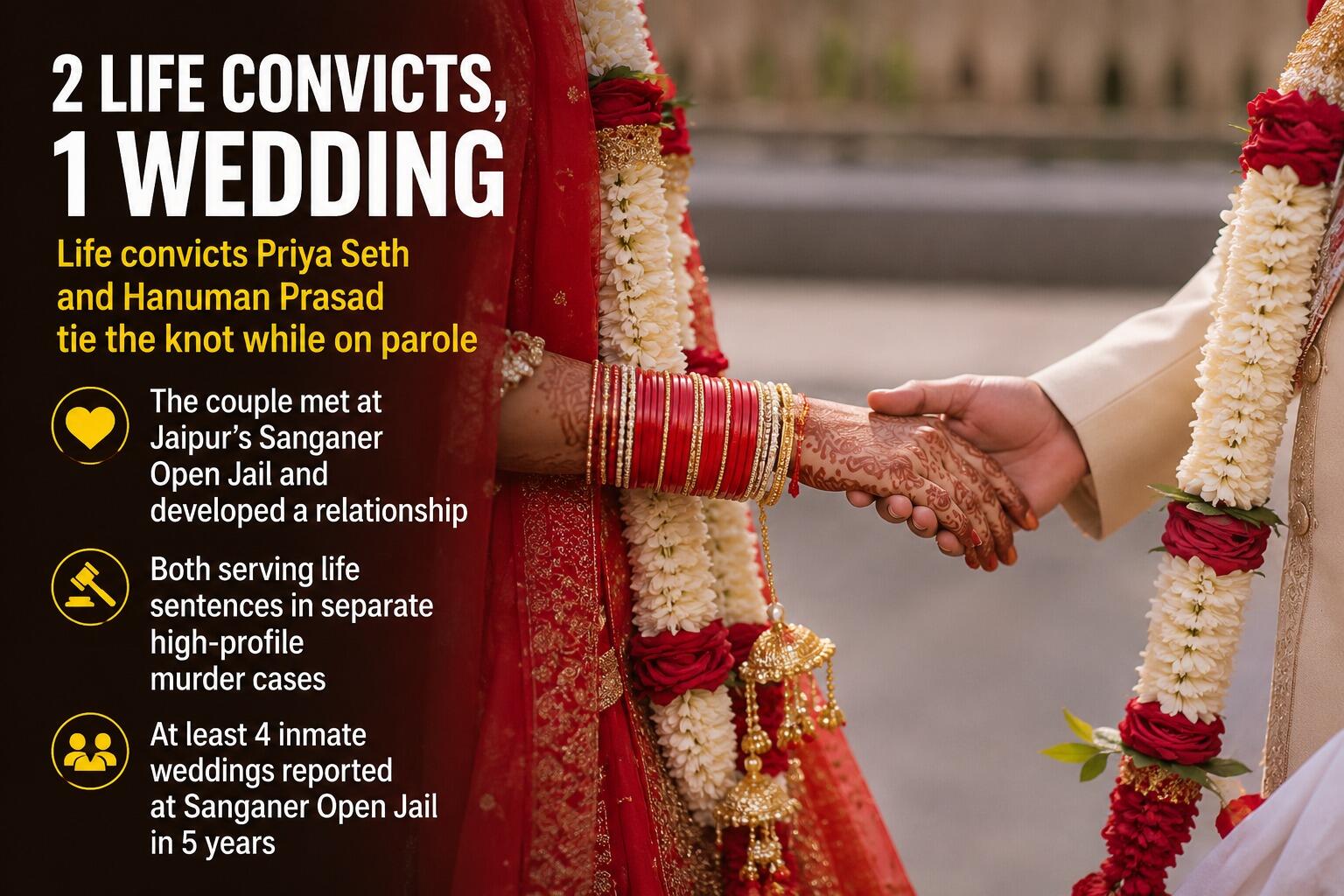
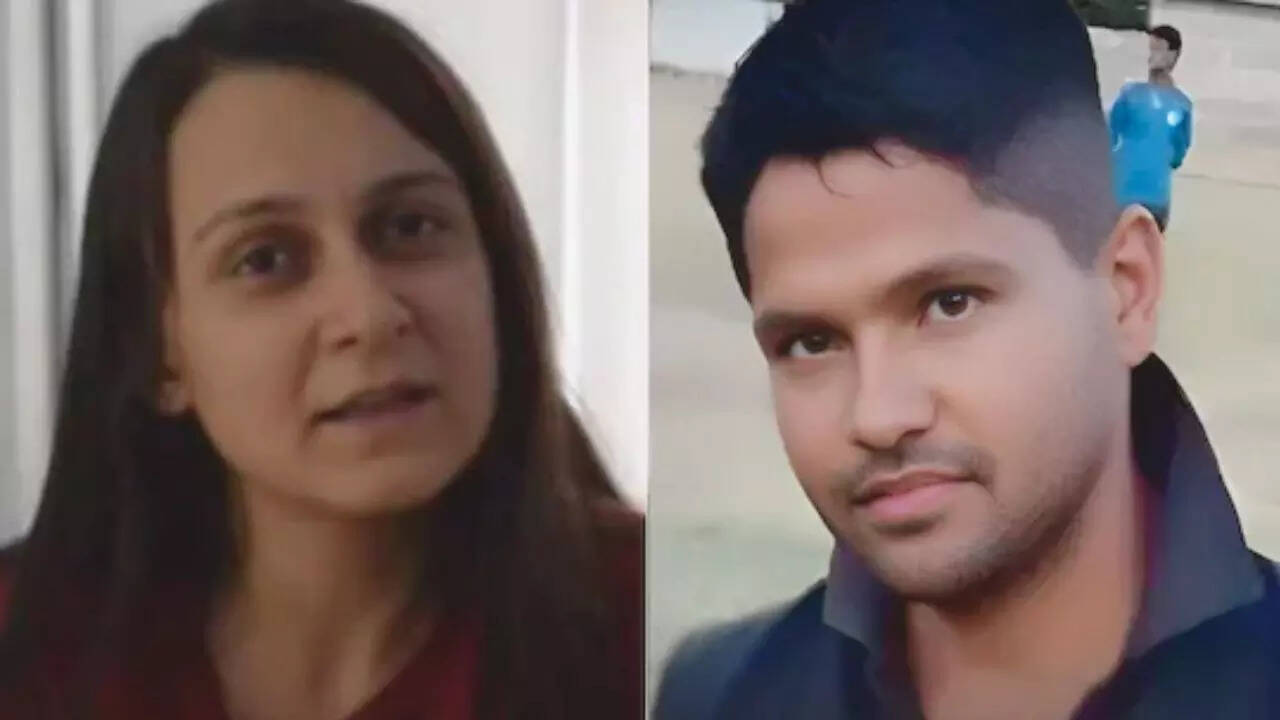
Priya Seth (34) and Hanuman Prasad (29) tied the knot at an undisclosed location, the couple’s lawyer confirmed to TOI.Priya Seth was convicted in the 2018 Jaipur murder of a man she met on a dating app, while Prasad was convicted in a 2017 case for killing a man, his 3 sons, and a nephew in Alwary after developing a relationship with the man’s wife.Both were convicted in 2023 and sentenced to life imprisonment.Seth was the kingpin of a high-profile blackmail racket and was accused of murdering a businessman with the help of her boyfriend and a friend. She allegedly targeted wealthy men through multiple online dating platforms.Prison officials have reportedly said that at least four inmate weddings have taken place at the Sanganer Open Jail in the past five years, highlighting how rehabilitation programmes increasingly extend beyond vocational training to rebuilding social relationships.
When Prison Turned Into A Wedding Venue: Jeypore Jail’s Unique CeremonyJeypore Special Jail in Odisha witnessed an unusual wedding as two undertrials tied the knot in the presence of family members, prison officials, fellow inmates and Jeypore MLA Tara Prasad Bahinipati.The groom, 30-year-old Nrusingha Khamari, and the 27-year-old bride, whose identity has been withheld, have been lodged in jail for the past three months in connection with a financial fraud case. The couple, who were engaged before their arrest, had expressed their wish to marry.Jail authorities facilitated the ceremony after obtaining necessary approvals from competent officials. The wedding was conducted according to Hindu rituals, followed by a community feast.

Jail superintendent Santosh Patnaik said the marriage was allowed after due legal procedures, while officials highlighted the event as an example of the correctional system’s focus on rehabilitation and preserving inmates’ social rights.Jeypore MLA Bahinipati conveyed his blessings to the newlyweds. “Every individual deserves an opportunity to rebuild life with hope and dignity. This marriage is a reminder that humanity and compassion should remain at the centre of our justice system. I wish the couple a peaceful and responsible future,” Bahinipati said.The prison premises wore a festive look for the occasion, with the jail decorated for the ceremony. Why Are Prison Marriages Gaining Legal Acceptance?The growing number of marriages involving inmates and former convicts reflects a broader shift in the way the justice system views incarceration.Courts and correctional authorities increasingly recognise that imprisonment does not completely take away an individual’s fundamental rights, including the right to maintain personal relationships and seek companionship.
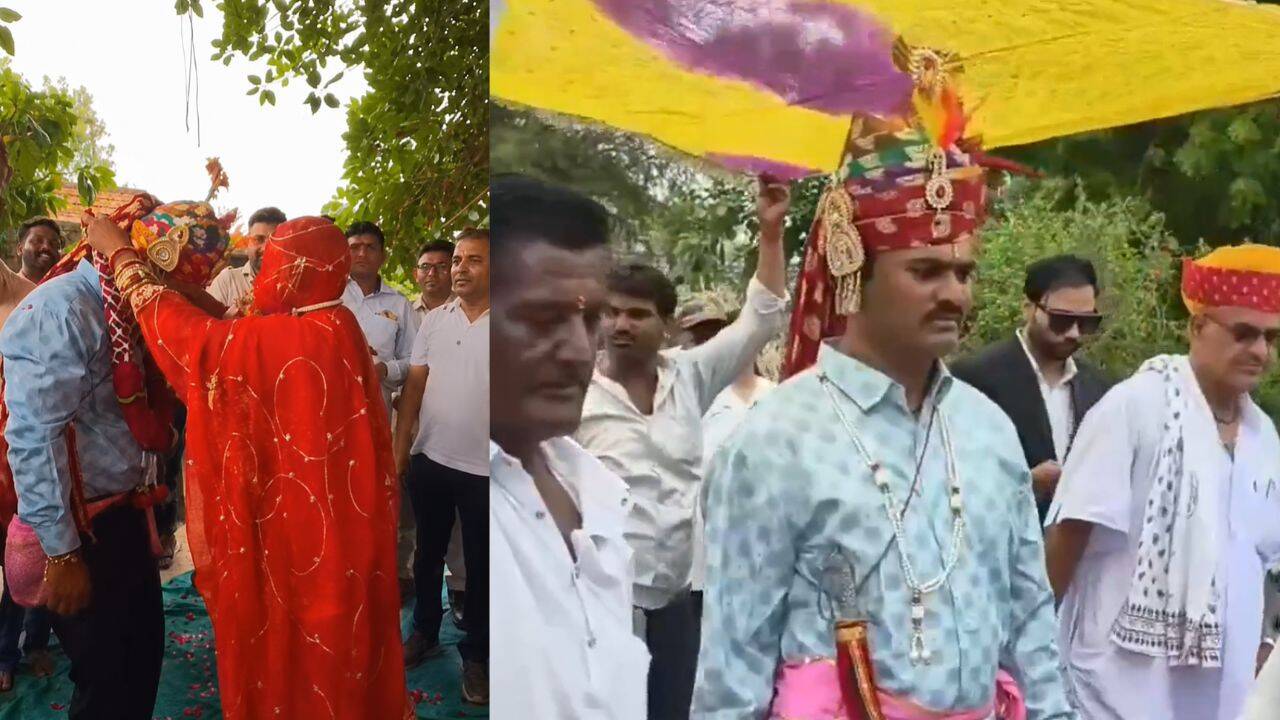
The Rajasthan High Court’s decision allowing two life convicts to marry inside an open prison highlighted this right, observing that the right to marry is linked to the right to life and personal liberty under Article 21 of the Constitution. The court noted that imprisonment restricts freedom but does not erase all constitutional rights.Open prisons, where inmates are allowed greater interaction with society while following strict conditions, have become an important part of this rehabilitation model.The weddings at Satna Central Jail, Sanganer Open Jail and Jeypore Special Jail show how prison systems are gradually moving towards preserving social bonds while maintaining discipline and security.However, such marriages continue to generate debate, especially when they involve convicts serving sentences for serious crimes. While supporters view these relationships as opportunities for reform and a second chance, critics raise concerns about the complexities involved.Ultimately, the debate over prison marriages reflects a larger question facing justice systems — whether prisons should only punish offenders or also prepare them for a return to society.(With inputs from Ashish Mehta)