











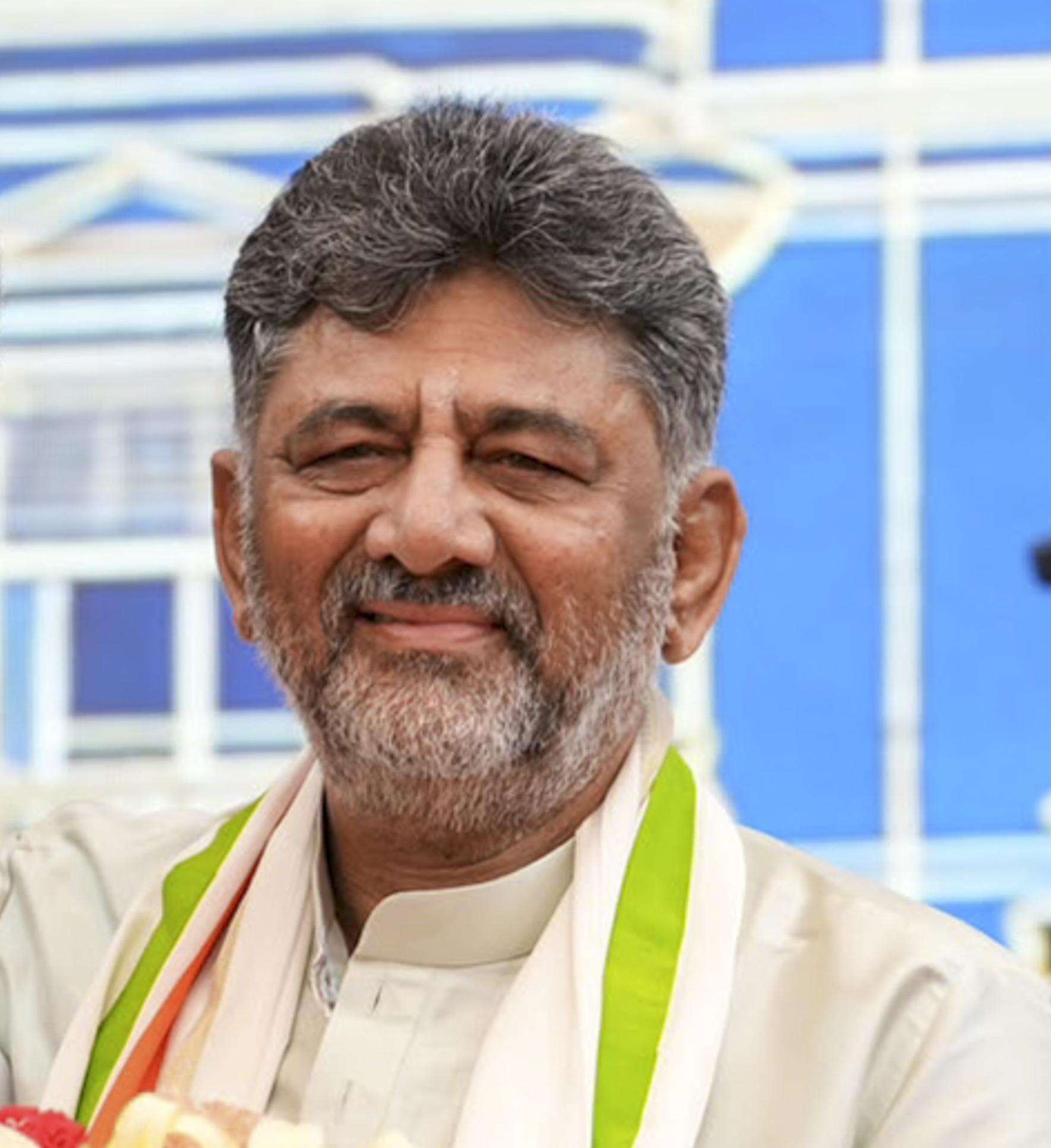
DK Shivakumar, chief minister of Karnataka
Bengaluru’s growth has been one of Karnataka’s greatest economic strengths. Its global reputation in IT, startups, global capability centres, aerospace, biotechnology and emerging technologies draws investment, employment and innovation to the state. As competition for investment grows sharper, Bengaluru must have infrastructure and urban systems to match the scale of activity it can generate. Strengthening the city is not a priority for Bengaluru alone, but an investment in Karnataka’s economic future.The nature of this competition is quickly changing. Hyderabad is preparing for the next generation of technology and urban infrastructure. Andhra is developing Amaravati while wooing industry, education and healthcare investment. Visakhapatnam is emerging as a hub for advanced technology, with Google announcing a major AI hub there. Tamil Nadu too is attracting investment across electronics, EVs, space tech, quantum computing and life sciences. Competition is no longer confined to IT offices or factories — it now spans AI, cloud infrastructure, data centres, renewable energy and digital infrastructure.Bengaluru already has what investors seek: A deep talent pool, a mature tech ecosystem, a strong research base and global presence. The priority is to ensure its physical and digital infrastructure keeps pace. For a global company evaluating investment, airport connectivity, public transport, reliable power and water, and room for future growth are all part of the decision. Urban infrastructure has become economic infrastructure.Bengaluru Metro Phase 3 is a key step. The Union cabinet approved the project at Rs 15,611 crore, covering 44.6km across two corridors and 31 stations, taking the network to 220km. This will strengthen links between employment centres, homes, educational institutions and business districts. Road networks too must evolve — tunnel roads on critical corridors, along with the Bengaluru Business Corridor and ring roads, can ease movement and support growth where conventional widening isn’t feasible.Future growth must be supported by new, well-planned urban centres. The proposed Greater Bengaluru Integrated Township at Bidadi, spread over 7,481 acres in nine villages at an estimated cost of Rs 18,133 crore, is envisaged as a work-live-play hub with housing, offices, industries, schools, hospitals and parks. About 2,000 acres are earmarked for AI and allied industries, aimed at an ecosystem for AI, data infrastructure, R&D and GCCs.Such development must move forward with public trust at its centre. Concerns of farmers and affected communities over land, compensation and livelihoods must be addressed through a fair, transparent process. Growth and people’s interests are not competing objectives — sustainable development needs both. Every avenue of public funding — central and state — must be leveraged so every rupee converts into infrastructure and opportunity.Bengaluru’s and Karnataka’s development are not competing priorities but closely linked — a stronger Bengaluru generates momentum, investment and jobs that strengthen the state’s capacity to develop every region.Bengaluru’s past success cannot be taken for granted; as cities across south India prepare for the next wave of investment, Karnataka must build infrastructure to ensure it continues to lead. A stronger Bengaluru means a stronger Karnataka.(The writer is chief minister of Karnataka)