









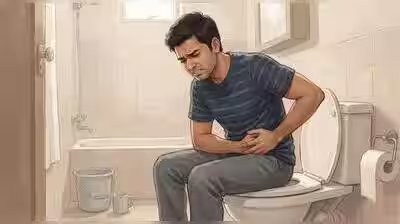
Bengaluru: Your desk chair and toilet seat could have more in common than you think. Spending long hours sitting at either, coupled with inadequate physical activity, low-fibre diets and poor hydration, could increase your risk of developing piles, say doctors, who are seeing more young adults in their 20s and 30s reporting the condition.Bengaluru’s IT workforce is particularly vulnerable, with many professionals spending eight to 10 hours at their desks, often followed by long commuting hours, according to doctors. Irregular meals, inadequate water intake and limited physical activity can contribute to constipation, hard stools and straining during bowel movements — factors that increase the risk of haemorrhoids, commonly known as piles.Dr Srikantaiah HC, HOD and senior consultant, general surgery, Ramaiah Memorial Hospital, said, “Many software professionals have strict deadlines and work in air-conditioned environments, so they feel they don’t need to drink enough water. They also have poor sleep, poor digestion, irregular bowel habits, and, in some cases, a family history that contributes to the condition.”Flagging sedentary lifestyles as a concern across age groups, he added that he was seeing a sharp rise in young adults aged 20 to 40, and occasionally even teenagers, presenting with piles.Surgeons are also flagging an emerging patient demographic: gym-goers who follow high-protein diets but pay little attention to fibre and hydration. One city-based gastroenterology institute has reported an 18% increase in piles cases over the past three to five years.Dr CM Parameshwara, colorectal surgeon and founder of Smiles Institute of Gastroenterology, said young adults, particularly fitness enthusiasts, were increasingly presenting with anorectal problems. “Many young patients are consuming high-protein diets and supplements without adequately balancing their fibre and fluid intake. This can contribute to constipation, hard stools and excessive straining during bowel movements, increasing the risk of haemorrhoids,” he said.He added that being physically active did not necessarily protect people from piles. Some patients who exercise regularly neglect their digestive health and nutritional requirements. “Muscular fitness and digestive fitness are equally important,” he said.Another increasingly common habit doctors are warning against is spending long periods on the toilet while scrolling through smartphones. They said that patients often spend 10 to 20 minutes on the toilet without realising that prolonged sitting can increase pressure on the blood vessels in the anal region.“Spending excessive time on the toilet while scrolling through phones can increase the risk of developing symptomatic piles. Prolonged sitting can increase pressure on the haemorrhoidal cushions, the blood vessel structures inside the anal canal. Over time, these cushions can become enlarged and symptomatic. I recommend avoiding phones in the bathroom and limiting toilet time to five minutes,” said Dr Satyajit Godhi, senior consultant, general, laparoscopic and surgical gastroenterology, Aster RV Hospital.Doctors said early symptoms such as bright red blood during bowel movements, itching, swelling around the anus, and a protruding lump should not be ignored. While internal piles often cause painless bleeding, anal fissures typically cause sharp or burning pain during and after passing stools.Dr Parameshwara cautioned against assuming that all rectal bleeding was due to piles, as it could also indicate conditions such as colorectal polyps, inflammatory bowel disease or colorectal cancer. Medical evaluation is important even at the first instance of rectal bleeding.Early-stage piles can often be managed through dietary and lifestyle changes, including increasing fibre intake, drinking adequate water, exercising regularly, and avoiding straining. Advanced cases may require minimally invasive procedures or surgery, depending on their severity.How to keep pain at bayEat fibre-rich foods, including fruits, vegetables and whole grains.Drink adequate water and stay hydrated during workouts.Take movement breaks every 45–60 minutes at work.Avoid straining and ignoring the urge to pass stools.Limit toilet time to five minutes; leave your phone outside.Maintain regular meal timings and exercise regularly.Consult a doctor for rectal bleeding or persistent symptoms.(Source: Doctors)