






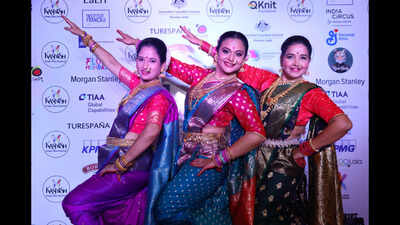
KASHISH, South Asia’s biggest queer film festival, makes its city debut with KASHISH x Bengaluru 2026, and the screen is about to get a lot more colourful. For a long time, mainstream cinema has seen queer identities through a narrow and often stereotypical lens, says Sridhar Rangayan, curator and founder of KASHISH. To showcase the many shades of queer life, the three-day festival will present 44 films from 15 countries, along with filmmaker Q&As, panel discussions and performances at the National Gallery of Modern Art (NGMA).Beyond the rainbow: Rewriting queer narratives“There has been a shift away from negative portrayals, but new stereotypes have emerged,” says Sridhar. “Transgender characters are often shown in a particular way, with little understanding of their everyday lives. Gay men are imagined as campy or effeminate, when they could be corporate professionals, postmen, clerks or people from any walk of life. The community is as diverse as society itself,” he explains.The festival hopes cinema can bring mainstream audiences and the pride community closer. “We want to do away with myths and misconceptions. Our society is more accepting today, but there is still stigma when someone in the family or among close friends comes out. We hope to awaken minds and help the LGBTQIA+ community celebrate itself,” Sridhar adds.Making room for every storyFilmmaker Roopa Rao, who wrote and directed the same-sex love story web series The Other Love Story in 2016, feels the festival must stay open to all and never turn elitist. She recalls that a decade ago, organisers had to knock on filmmakers’ doors and coax them into sending entries. “Today, we receive enough submissions that we have to shortlist them. That shows how much the space has grown,” she says.Roopa believes these stories must travel beyond the community. “People who are not part of the queer community should come and watch these films too. Festivals should not be accessible only to English-speaking audiences. Representation matters, and we need films in local languages, with Kannada subtitles. When a queer person tells their own story, the perspective must be neutral, and a non-queer filmmaker must ensure the portrayal is not caricaturish,” she sums up.The festival runs from Friday, November 20, to Sunday, November 22, at NGMA. All screenings are free, but registration is mandatory.