








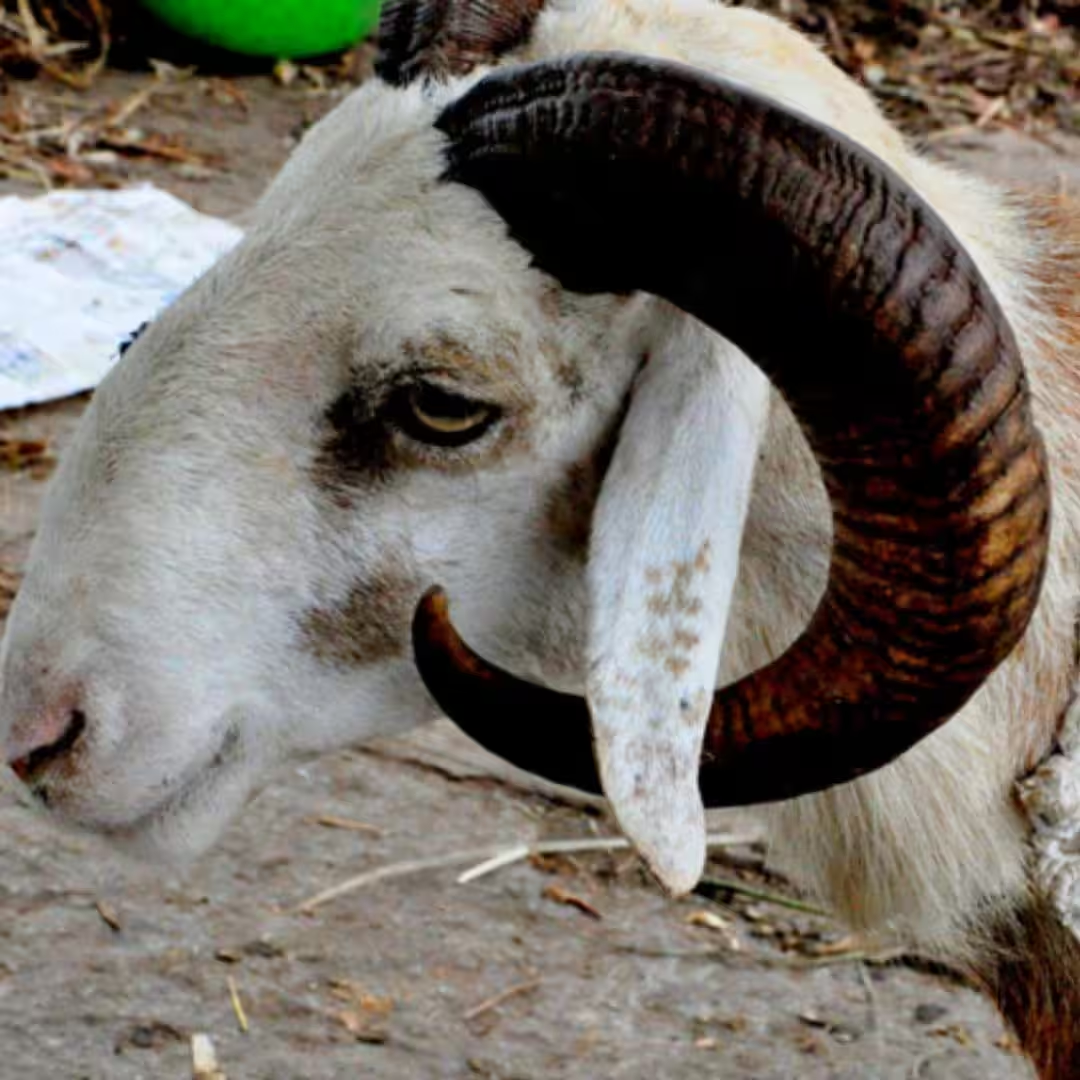
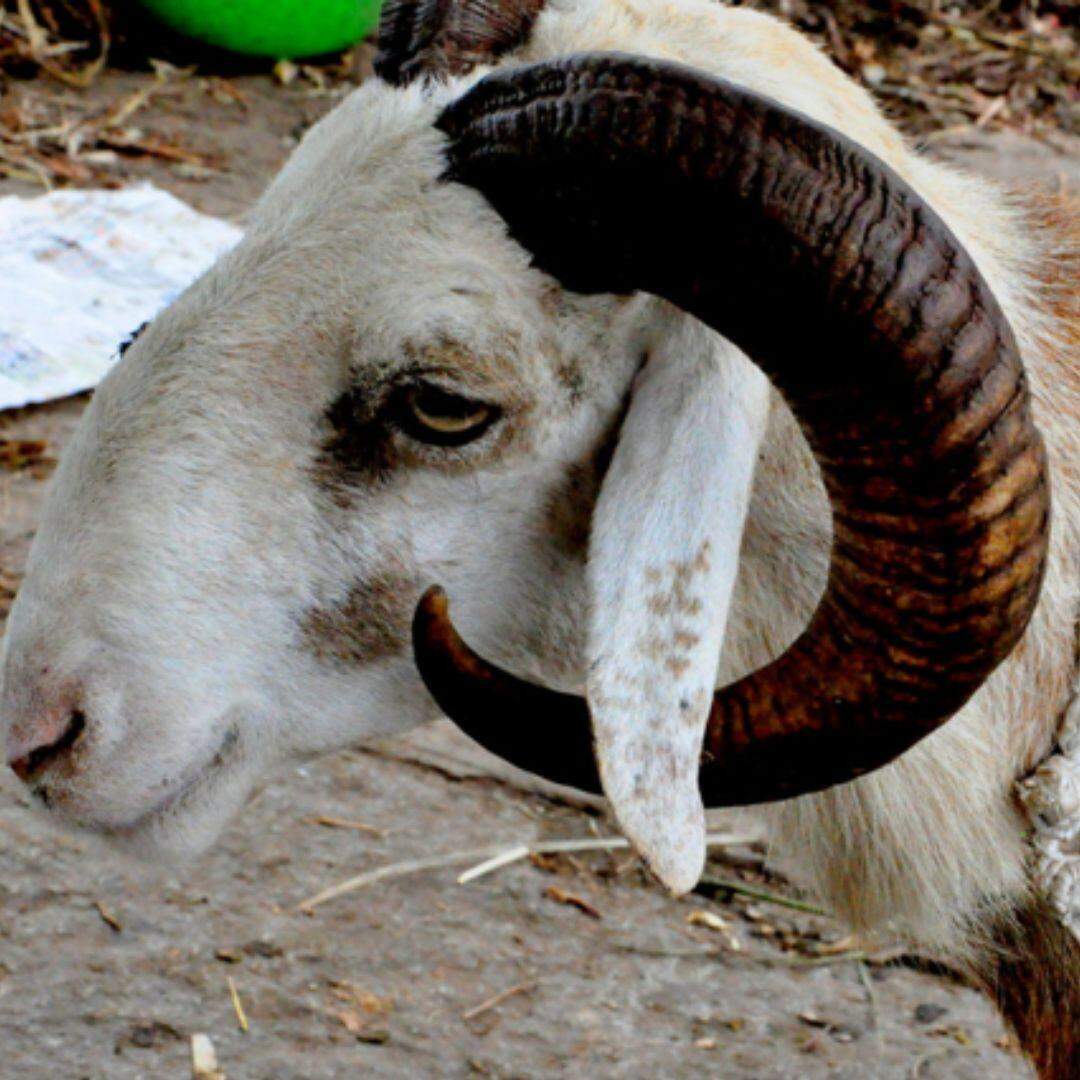
Bengaluru: Sheep horns, tortoise shells, bamboo and walnut shells could offer clues to making vehicles safer and lighter. Researchers are exploring how structures found in nature can help develop impact-resistant materials for car components, including bumpers, and potentially for electric vehicles (EVs) and aerospace applications.One avenue is a composite made from sheep horn and polymer resin, which could offer a sustainable alternative to carbon fibre in selected applications.“We are looking at sheep horn not as a waste material, but as a naturally engineered, high-impact material for sustainable composites,” said Arun Y Patil, assistant director–innovation and entrepreneurship at MAHE Bengaluru, and corresponding author of the research.Patil said testing had recorded an impact strength of around 276 kilojoules per square metre (kJ/m²), which he said was well above the typical range reported for conventional carbon-fibre/epoxy composites and within the range of advanced impact-resistant composites.Impact strength measures how much energy a material can absorb when struck before it breaks. It is important in applications such as vehicle bumpers, which must withstand impacts, and in components where reducing weight without compromising performance is a priority.A patent has been filed for the sheep horn–polymer resin composite, Patil said.The effort to move the material beyond the laboratory is also receiving support under All India Council for Technical Education’s (AICTE) RPS-2025 Lab to Market programme. Patil said funding was specifically intended to explore whether the composite could replace acrylonitrile butadiene styrene (ABS), a widely used plastic, in automotive bumpers.Patil earlier worked on designs inspired by structures found in nature. In a 2022 study published in the journal Biomimetics, Patil and colleagues examined seven nature-inspired models for automotive impact resistance under compressive loading. The structures drew on examples including Rudraksha, bamboo, sheep horn, tortoise shell and walnut.The team used computer simulations to assess how the designs responded to a compressive load and 3D-printed some of them. Among the designs assessed, the tortoise-shell-inspired structure showed the least deformation under the reported simulation conditions.The study suggests nature can offer ideas not only for choosing materials but also for shaping them. A structure’s internal arrangement can influence how it bears force, deforms and withstands repeated loading.Further testing and development will be needed to determine the composite’s durability, manufacturing feasibility and suitability for specific vehicle components before its potential as a commercial alternative can be established.