









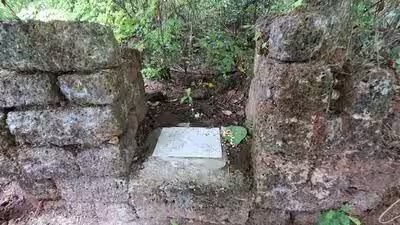
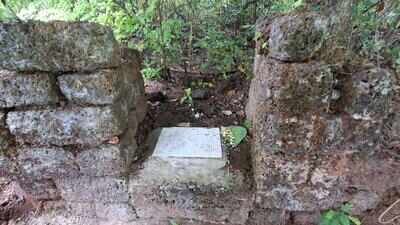
Keri: Inside a sacred forest near the Kudne river lie the remnants of the 16th-century temples of Sateri, Ravalnath and Kshetrapal in Virdi, Sanquelim. Virdi is home to temples of Sateri, Mahadev, Ravalnath, Mahalaxmi and other deities. When the Portuguese initiated religious persecution in Tiswadi and areas of Old Conquest, many villagers migrated and took refuge in Bicholim and nearby areas.In 1510, the Portuguese conquered Tiswadi, and in 1550, they built a watchtower on an island to guard Mandovi river. This island was later expanded into Fort Santo Estevão in 1668. As villagers fled their ancestral island, they carried idols of their deities by boat and chose Virdi as a safe refuge.At Karekhazan in Virdi, near the Kudne River, migrants from St Estevam island built temples and installed the idols of Sateri, Ravalnath and Kshetrapal. Later, to avoid difficulties, they relocated the idols to Khandola in Ponda and built new temples there.“Today, inside the untouched forested area, there are two remnants of old temples lying where, annually during the Shigmo festival, the sacred pitcher representing the village deity, Shantadurga, visits in procession and blesses the area, and devotees offer flowers, “Dnyaneshwar Bhingi, from Karekhazan, told TOI.“While invoking goddess Shantadurga for blessing, we ask her to take a word of assurance from Juvyavayali Bhumka (deity of St Estevam),” said Sitaram Kamat from Virdi.In his book Hindu Temples and Deities (1978), advocate Rui Gomes Pereira mentions that the deities Ravalnath, Santeri and Kshetrapal of Jua were temporarily housed at Virdi before being moved to Candola.