





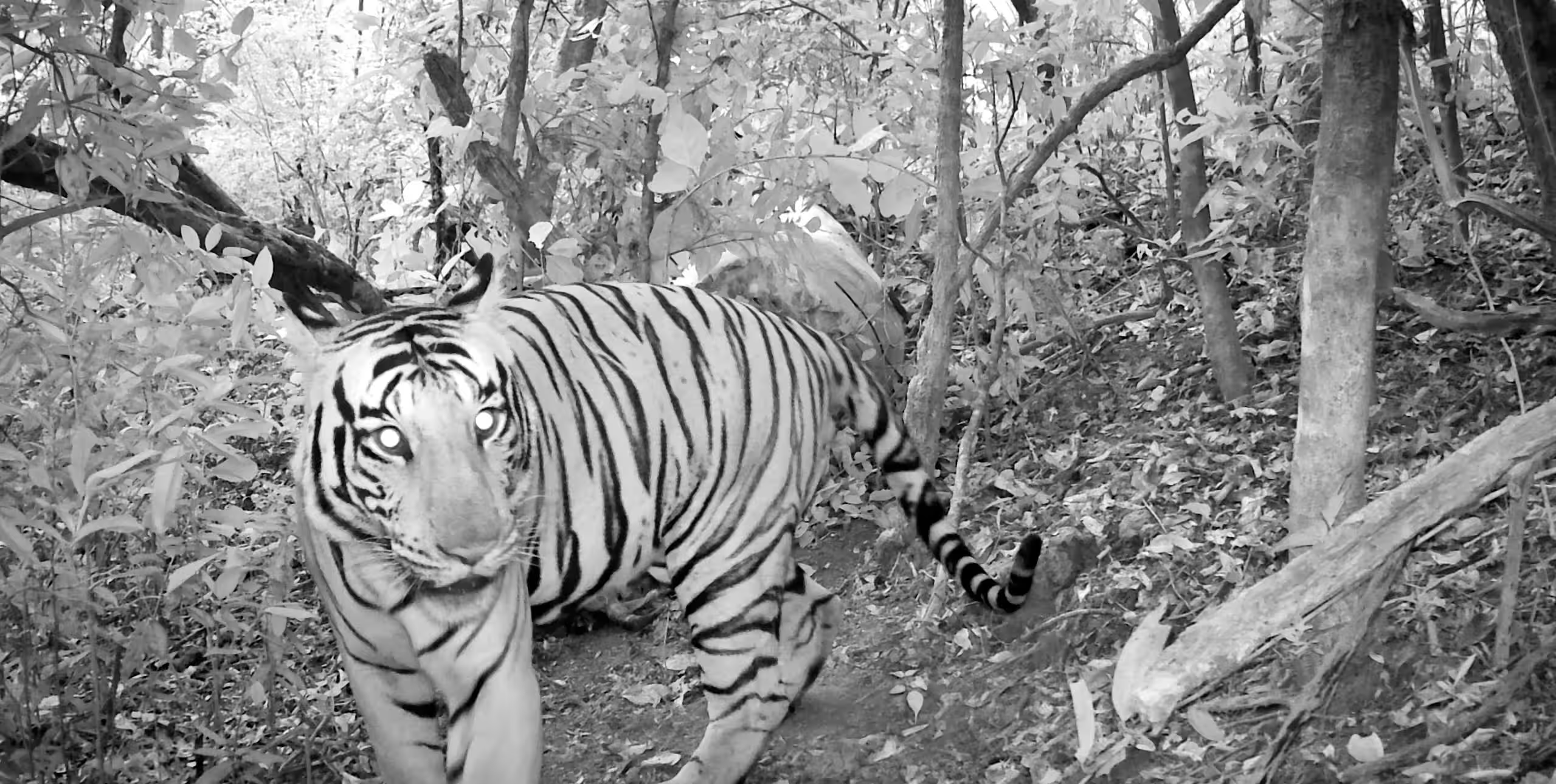
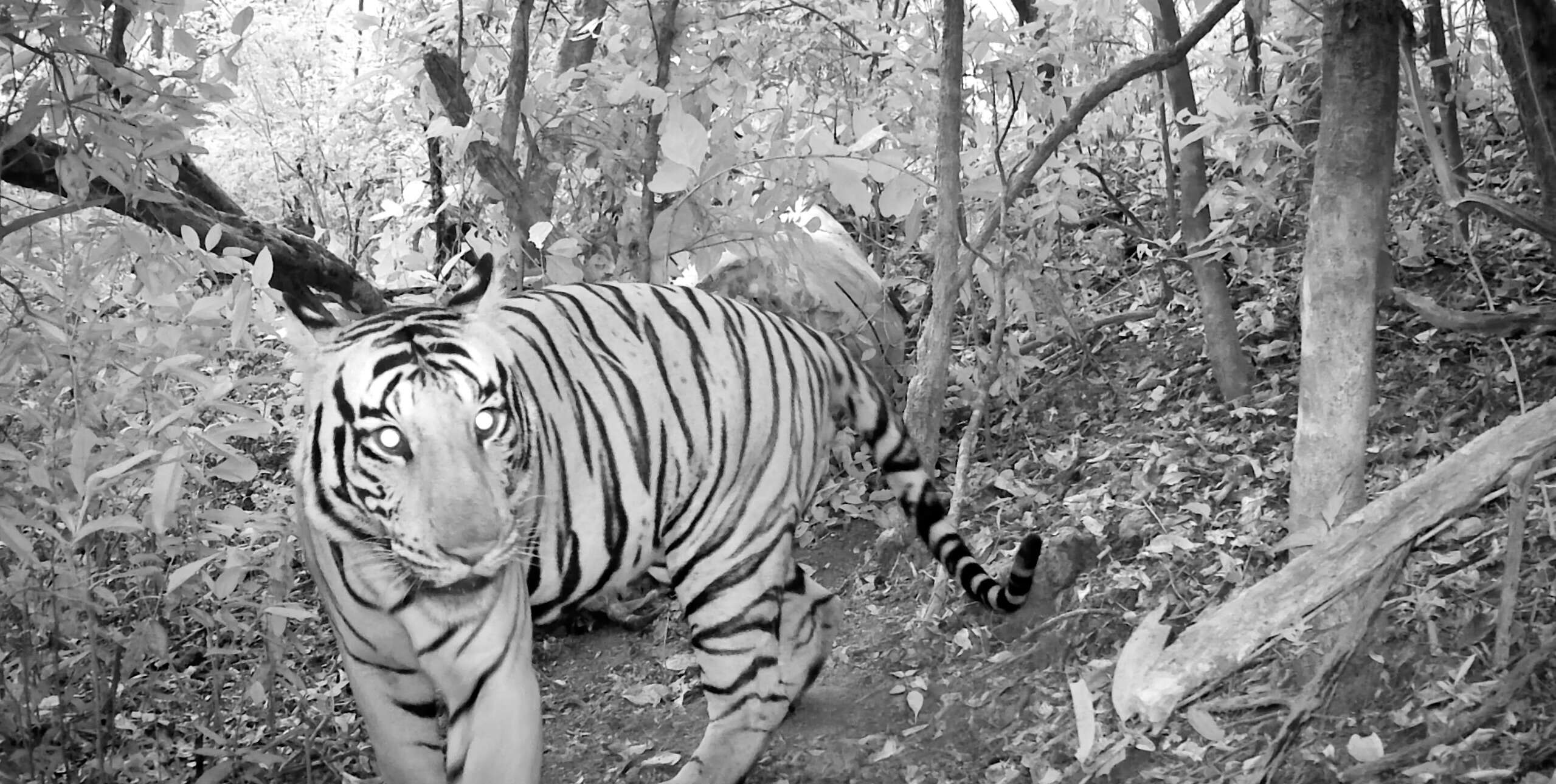
Keri: A tiger sighting in the Mhadei river basin after a gap of two years has renewed calls by environmentalists for the state govt to notify a tiger reserve, amid fears that more big cats could be lost to man-animal conflict in Goa.The latest sighting was captured in a photograph on Wednesday evening, showing a male tiger feeding on a cow carcass in the Kalasa nullah area of the Mhadei river basin. The cow is believed to have been killed earlier in the forest.Wildlife conservationists have urged the Wildlife Division of the Goa forest department to take immediate steps to protect the tiger, which has been roaming the Mhadei region.A photograph of the tiger, along with a memorandum seeking measures for the protection and conservation of big cats in the Mhadei Wildlife Sanctuary and its surrounding areas, was submitted to chief wildlife warden K Ramesh Kumar on Thursday.Between 2009 and 2026, Goa lost six tigers in the Western Ghats forests of Sattari, most of them due to man-animal conflict. The tiger census conducted in Goa in 2022 had recorded the presence of five tigers.Geerish Punjabi, a field biologist and conservationist associated with the Wildlife Conservation Trust, told TOI, “We have images of this tiger as a cub along with its mother in the forest of the Tillari river basin at Hadfade-Kumbhavade from 2024. After that, we were unaware of the whereabouts of this cub. We are happy that this tiger was found relishing a cow carcass in the Mhadei river basin after such a long gap.”The tiger has reportedly been sighted repeatedly in the Mhadei basin forests at Surla in Goa and at Huland, Kankumbi and Maan in Karnataka. Villagers and truck drivers travelling through the region at night have reported these sightings.According to the 2022 Status of Tigers report, the Western Ghats along the Goa-Karnataka border are among the few regions where tiger numbers have declined. The decline in this part of the Western Ghats has been attributed to deforestation, increasing human-carnivore conflict and the growing overlap between development activities and wildlife habitats.