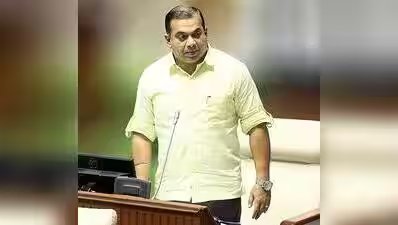









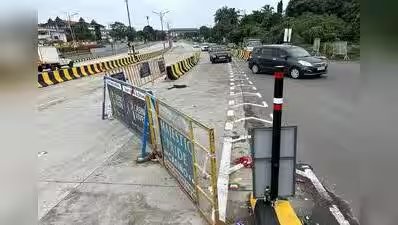
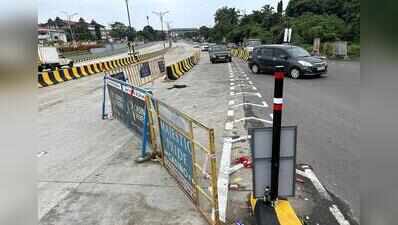
Panaji: The PWD will need more time to reopen the entry and exit points connecting the Porvorim elevated corridor to Atal Setu, as it works to align three elevated lanes and a service lane with Atal Setu’s two lanes for traffic heading towards the Panaji side.A senior govt officer said work had begun at Porvorim to open the Atal Setu entry and exit and will be completed by next week, after which traffic from Porvorim will be allowed to enter Atal Setu.The development comes a fortnight after the elevated corridor was opened to traffic, with traffic management measures still being put in place to improve movement and prevent accidents. Chief minister Pramod Sawant said on Thursday that the entry and exit for traffic heading towards Atal Setu would be opened on Friday.On Thursday, PWD opened the entry to the elevated road at Porvorim for traffic travelling from Panaji towards Mapusa, but the stretch lacked proper signage and rumblers.As the traffic cell of Goa police and the PWD work on measures to streamline traffic, another accident was reported on the elevated road on Friday. No casualties were reported.The elevated corridor was opened to the public on Sept 11. The following day, entry and exit points were restricted and two-wheelers banned after two people were killed in an accident on the stretch.The changes had an immediate impact on traffic at entry points to the state capital. However, the PWD did not consult the State Road Safety Council, North Goa district road safety committee, affected village panchayats or the road transport authority before implementing the changes.Sawant said there were no faults or major changes in the alignment of the elevated road, but adequate traffic management should have been put in place before it was opened.“One cannot directly connect six-lane elevated roads to four-lane Atal Setu. Before opening the six elevated roads, traffic management should have been put in place, which did not happen,” Sawant said.The PWD has since reopened entry and exit points in a staggered manner. However, experts have said the stopgap measures cannot address what they describe as fundamental design flaws.