







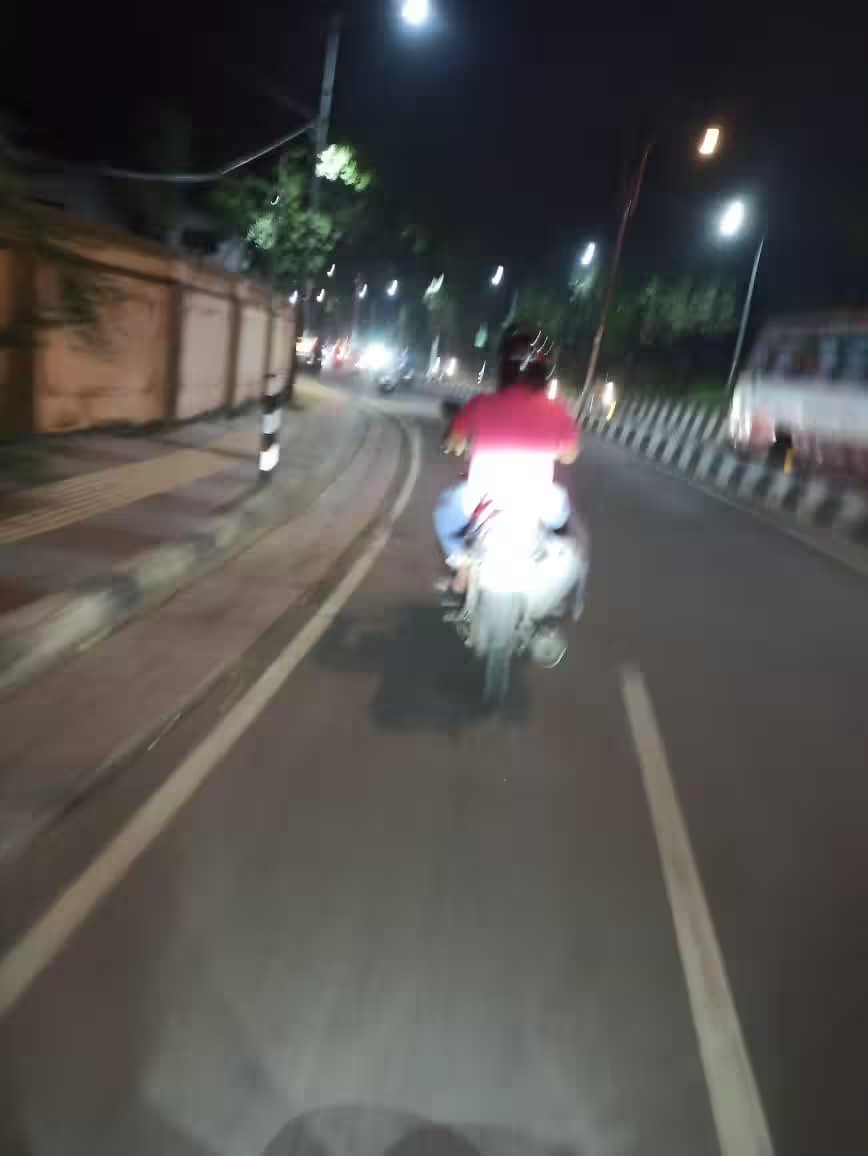
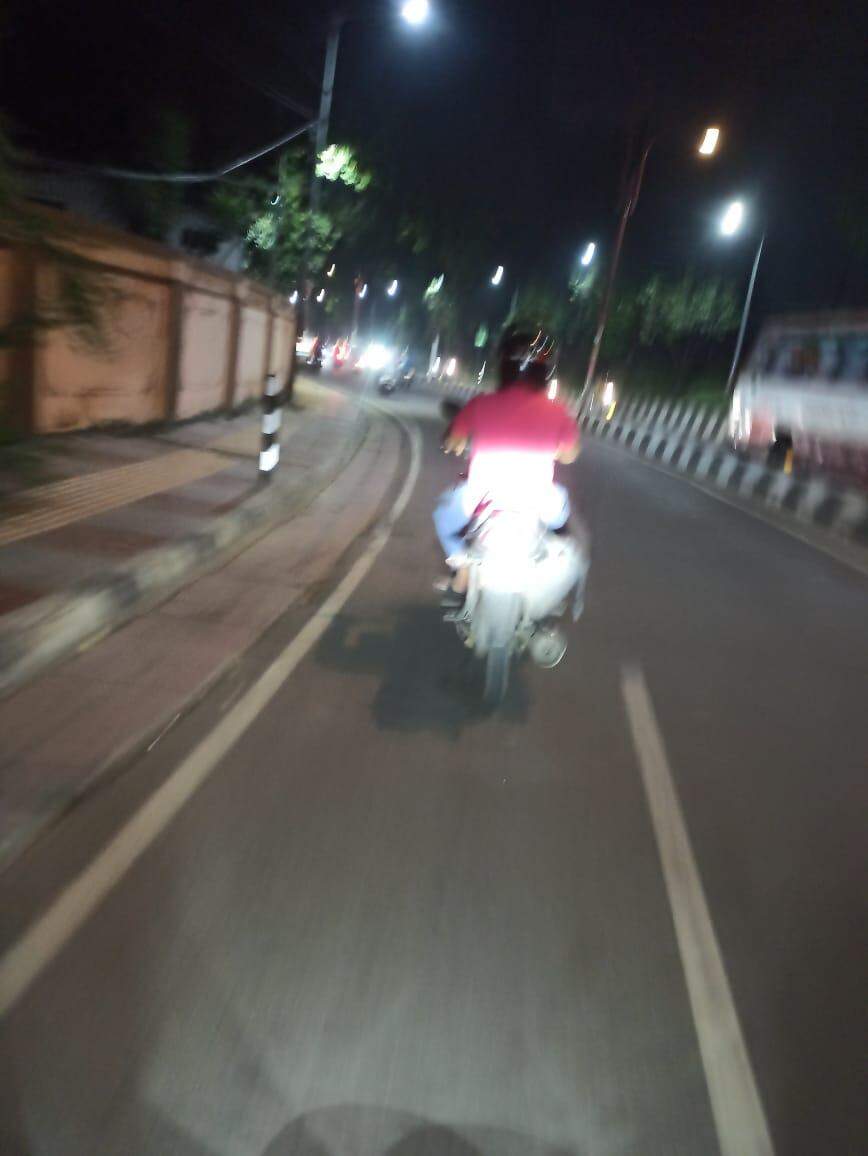
Lucknow: Number plates bent upwards, digits masked with stickers and riders without helmets continue to be a common sight on city roads despite legal provisions mandating compliance.A TOI reality check across over a dozen locations, including Balaganj, Chowk, Thakurganj, Daliganj, Hazratganj, Narahi, Sikandarbagh, Gomtinagar, Nirala Nagar and Indiranagar, found several two-wheelers operating with obscured or non-compliant registration plates. Many riders and pillion passengers were also seen travelling without helmets.Residents and road safety advocates questioned the effectiveness of enforcement, saying violations routinely occur outside occasional special drives.Former RTO Deshraj Singh said all vehicles are required to display a High Security Registration Plate (HSRP), a tamper-proof registration plate with prescribed security features.He added that vehicles without HSRP are no longer eligible for a Pollution Under Control Certificate (PUCC) in Uttar Pradesh, making compliance essential for legal use on roads. Riding a two-wheeler without a helmet also attracts penalties.“Only during special drives do police intercept such violators. Many deliberately alter or distort the number plate to avoid online challans,” said Hazratganj resident Kushagra Rastogi.A regular commuter, Narendra Kashyap, said the violations put other road users at risk.“Pedestrians are often forced to dodge speeding two-wheelers, while motorists face danger from riders who ignore traffic rules. When registration plates are hidden or unreadable, tracking offenders becomes a challenge, weakening road safety and law enforcement,” he said.Road safety groups have also called for stricter monitoring.Clearly visible registration numbers play an important role in identifying vehicles involved in traffic violations, accidents and hit-and-run cases. Obscured or illegible plates can make enforcement more difficult.Medical experts warned that the consequences of ignoring helmet rules can be devastating.“As neurosurgeons, we see the devastating consequences of head injuries every day. Many patients never return to their normal lives after a road crash, suffering permanent brain damage, paralysis or cognitive impairment. A properly fastened helmet can mean the difference between a minor injury and a fatal or disabling brain injury. Riders and pillion passengers are equally vulnerable, which is why helmet use is critical for both,” said Prof Ankur Bajaj, neurosurgeon at KGMU.According to World Health Organisation, wearing a standard motorcycle helmet significantly reduces the risk of fatal and serious head injuries in a crash.With road fatalities remaining a major concern, safety experts said consistent enforcement is essential for improving accountability and saving lives.When asked, traffic department officials said: “We have been consistently taking action against two-wheeler riders found driving without helmets, and the challan figures speak for themselves. In Aug, we issued around 80,000 challans for helmet violations. The number came down to 67,000 in Sept and further declined to 41,000 in Oct (till October 30). This downward trend indicates that sustained enforcement is impacting compliance.”JCP (Law and Order) Babloo Kumar said: “Alongside enforcement, we are also focusing on awareness and behavioural change. Schools and colleges are involved to sensitise students and young riders about the importance of wearing helmets and following traffic rules. We encourage educational institutions to spread road safety awareness so that helmet use becomes a habit, not just a reaction to a challan. A penalty of Rs 1000 per violation is enforced under the Motor Vehicles Act. The traffic department is continuously working to strengthen compliance and ensure road safety. Our objective is not merely to issue challans but to encourage people to follow traffic rules and protect their lives.”