




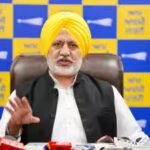



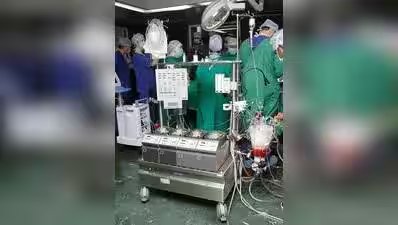
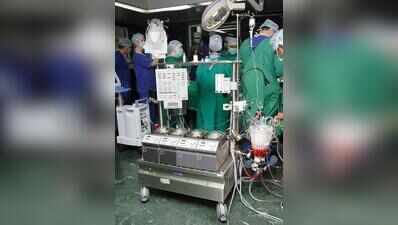
Bengaluru: Clinical perfusionists, who operate the heart-lung machine during open-heart surgeries, need stricter training standards and greater professional recognition, Bangalore Rural MP and former Jayadeva Institute director Dr CN Manjunath said.Speaking at the inauguration of Karnataka Clinical Perfusionists Association (KCPA), Manjunath said institutions offering perfusion technology courses must have a functioning open-heart surgery programme and provide students with adequate hands-on clinical exposure.“If an institution does not have an open-heart surgery programme, the perfusion technology course should not be offered,” he said, stressing that students completing four-year programmes should not graduate without assisting in cardiac surgeries.Manjunath warned that perfusion technology cannot be learnt through observation alone and that inadequate clinical training could undermine the credibility of the profession. He said the growing complexity of cardiac procedures and wider use of technologies such as extracorporeal membrane oxygenation (ECMO) had further increased the responsibilities of perfusionists.India performs 3 to 4 lakh open-heart surgeries every year, he said, pointing to the significant employment potential for adequately trained perfusionists. He also highlighted the growing demand for allied healthcare professionals, even as medical education expands rapidly. India now has around 835 medical colleges, nearly 1.3 lakh MBBS seats and around 90,000 postgraduate seats, he said, cautioning that the rapid expansion could lead to unemployment among doctors in the coming years.“Today, people with multiple degrees, PhDs and master’s degrees are not getting jobs, while drivers, electricians and air-conditioning technicians are getting jobs,” he said, stressing the need to promote professions that have both employment potential and a direct role in meeting healthcare needs.Demand for professional recognitionPerfusionists sought greater recognition as clinical professionals rather than technicians. Manjunath assured the association that he would take up the issue with the National Commission for Allied and Healthcare Professions (NCAHP).Rajesh Shenoy, member of Karnataka State Allied and Healthcare Council, said the growing number of perfusion and cardiac-care courses must be matched by adequate clinical infrastructure and training. With more than 30 colleges offering such courses under Rajiv Gandhi University of Health Sciences (RGUHS), he warned that the profession’s credibility could suffer if institutions admitted students without providing sufficient hands-on exposure.Representing the perfusionist fraternity, Lok Nath Tiwari, general secretary of Indian Society of Extracorporeal Technology (ISECT), sought a clear professional classification for perfusionists under the NCAHP framework. “We need a proper position, an active role in the Allied Health Council. This is one of our primary demands,” said Gopu Sabapathy, general secretary of KCPA.Who is a perfusionist?A clinical perfusionist is an allied healthcare professional who operates the heart-lung machine during cardiac surgery. The machine temporarily takes over the functions of the heart and lungs, maintaining blood circulation and oxygen supply while surgeons operate on the heart. Perfusionists also manage advanced life-support technologies such as ECMO (extracorporeal membrane oxygenation) and other mechanical circulatory support systems used in cardiac surgery and critical care.