







MUMBAI: Maharashtra is seeking UNESCO’s Intangible Cultural Heritage recognition for two of its biggest public traditions, i.e., Ganeshotsav and Dahi Handi, with the state government planning initiatives to strengthen their case for inclusion on the list.The move comes after Deepavali was added to UNESCO’s Intangible Cultural Heritage list in 2025. The list seeks to safeguard “living heritage”, traditions, knowledge, skills and cultural expressions passed down through generations and kept alive by communities.
Ganeshotsav’s historical significance
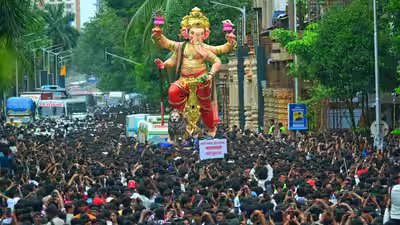
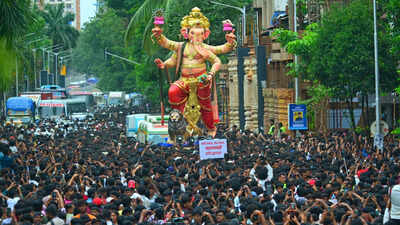
Ganesh worship has deep historical roots in Maharashtra and was patronised by the Peshwas. In 1893, Lokmanya Bal Gangadhar Tilak transformed the private celebration into a large public festival, helping bring people together during the freedom movement under British rule.Today, the festival is celebrated on a large scale across the state. There are around 10,600 sarvajanik Ganesh mandals in Mumbai alone, though only about 2,500 obtain permission for the 10-day festival. Across Maharashtra, the number of Ganpati idols is estimated at around 28 lakh.State cultural affairs minister Ashish Shelar said Ganeshotsav programmes would be organised across all 36 districts of Maharashtra, as well as in 10 other states and one foreign country.Various initiatives are also being planned to secure UNESCO’s Intangible Cultural Heritage recognition for the festival.
Dahi Handi’s cultural significance
Dahi Handi, held a day after Janmashtami to mark the birth of Lord Krishna, combines religious devotion with community participation and sport.More than a decade ago, politician Sachin Ahir organised a large-scale Dahi Handi competition at Jamboree Maidan in Worli.The format subsequently spread across Mumbai and the Mumbai Metropolitan Region, with competitions now offering substantial prize money.Around 1,800 Dahi Handi events were held across Maharashtra in 2025, including around 1,300 in Mumbai. The state government also provides Rs 10 lakh insurance cover to each Govinda participating in Dahi Handi.
India’s UNESCO heritage entries
Other Indian traditions on UNESCO’s Intangible Cultural Heritage list include Deepavali, Durga Puja, Kumbh Mela and Garba.The list also features traditions from across the world, including rickshaws and rickshaw art from Bangladesh, acupuncture and calligraphy from China, and yodelling from Switzerland.A UNESCO listing is aimed at safeguarding cultural traditions, knowledge and skills that communities continue to pass down and practise.