











Bengaluru: As Prime Minister Narendra Modi is scheduled to flag off the Yeshwantpur–Mangaluru–Madgaon Vande Bharat Express in Bengaluru on Friday, Karnataka’s power infrastructure is gearing up for a historic milestone, with the Karnataka Power Transmission Corporation Limited (KPTCL) successfully putting in place a robust transmission network to power the train’s journey through the newly electrified Sakaleshpur–Subrahmanya Road section of the Western Ghats.Braving steep gradients, treacherous terrain and relentless monsoon conditions, KPTCL engineers have overcome formidable engineering challenges to establish reliable traction-power infrastructure along the undulating ghat section, which is susceptible to landslides. The new Vande Bharat service will be the first semi-high-speed train to traverse this newly electrified stretch of the Western Ghats, marking a significant milestone in railway connectivity between Bengaluru and coastal Karnataka.Ahead of Prime Minister’s official flag-off on Friday, Energy Minister KJ George said the state had prioritised the development of critical transmission infrastructure to ensure an uninterrupted power supply for electric train operations. Given the stringent deadlines and engineering challenges involved in the project, the energy minister held a series of review meetings and ensured round-the-clock coordination among KPTCL, Railway authorities and other officials to fast-track the works, according to senior officials from the Karnataka Energy Department.“Building transmission infrastructure through the Western Ghats was no ordinary engineering assignment. Steep gradients, inaccessible terrain, heavy rainfall and complex geographical conditions posed formidable obstacles. Despite these challenges, KPTCL engineers and technical personnel worked relentlessly to establish the necessary transmission connectivity, strengthen the grid and put reliable power-supply systems in place. Their technical expertise, commitment and coordinated efforts deserve appreciation,” Minister George said.
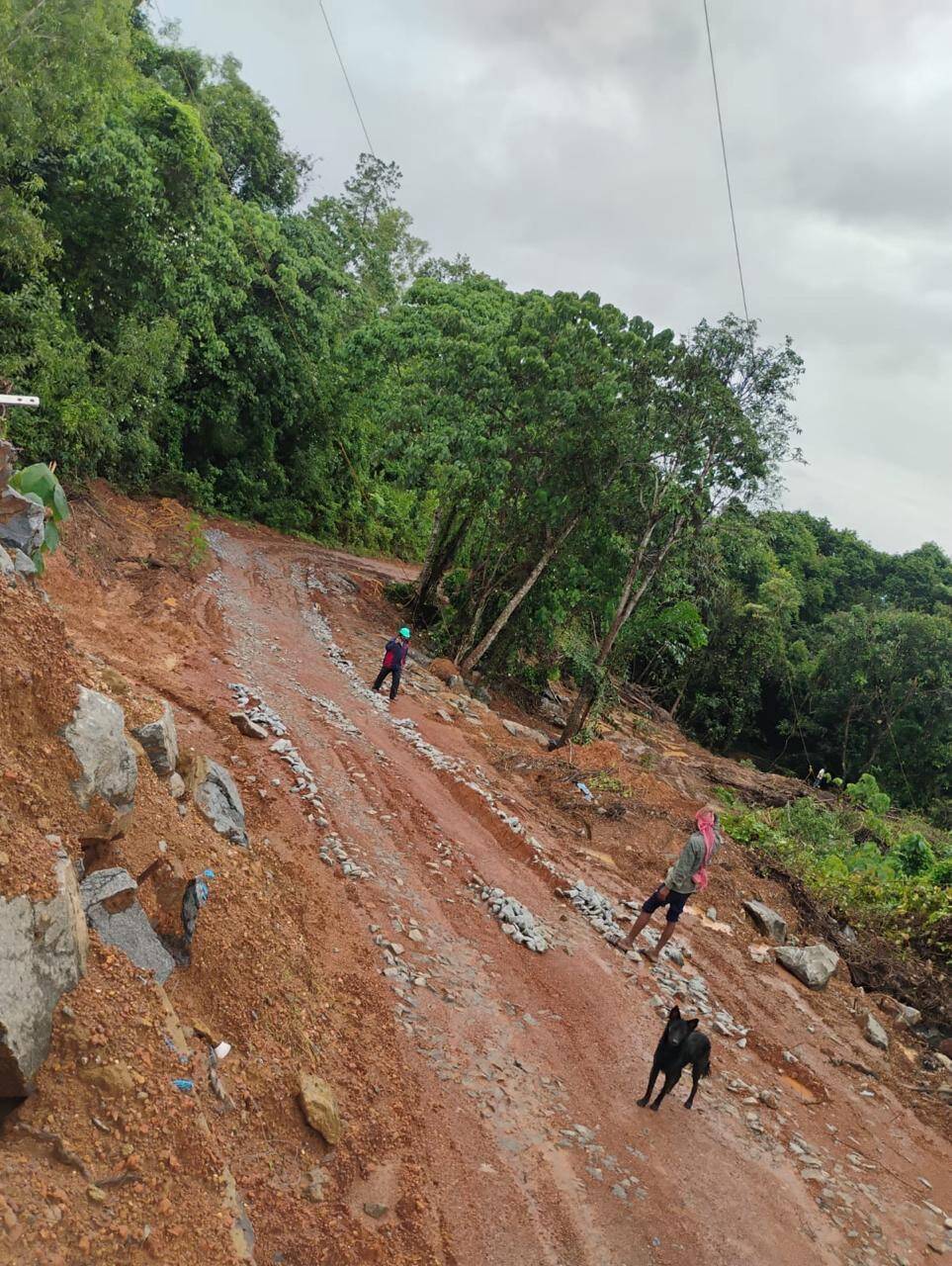
KPTCL engineers and personnel worked relentlessly to strengthen the transmission network and commission traction-power infrastructure along the newly electrified Sakaleshpur–Subrahmanya Road section of the Western Ghats ahead of the launch of the Bengaluru–Mangaluru–Madgaon Vande Bharat Express.
The ambitious project involved providing power to 12 Railway Traction Substations (RTSS) through 12 KPTCL substations. The works included the installation of new overhead transmission lines, underground cables, LILO connectivity and switching stations, besides the augmentation of transformer capacity at upstream substations. The new Vande Bharat service is also expected to give a significant boost to tourism and economic activity across coastal Karnataka.“The new rail connectivity will make travel between Bengaluru and coastal Karnataka more convenient while opening up fresh opportunities for tourism, hospitality and local economic activity in destinations such as Mangaluru, Udupi, Murudeshwar and Gokarna,” the minister added.Ahead of the launch, KPTCL Managing Director V. Ram Prasath Manohar, IAS, conducted a special preparedness review and directed officials to ensure that all associated substations and transmission systems were fully operational before the commencement of services.
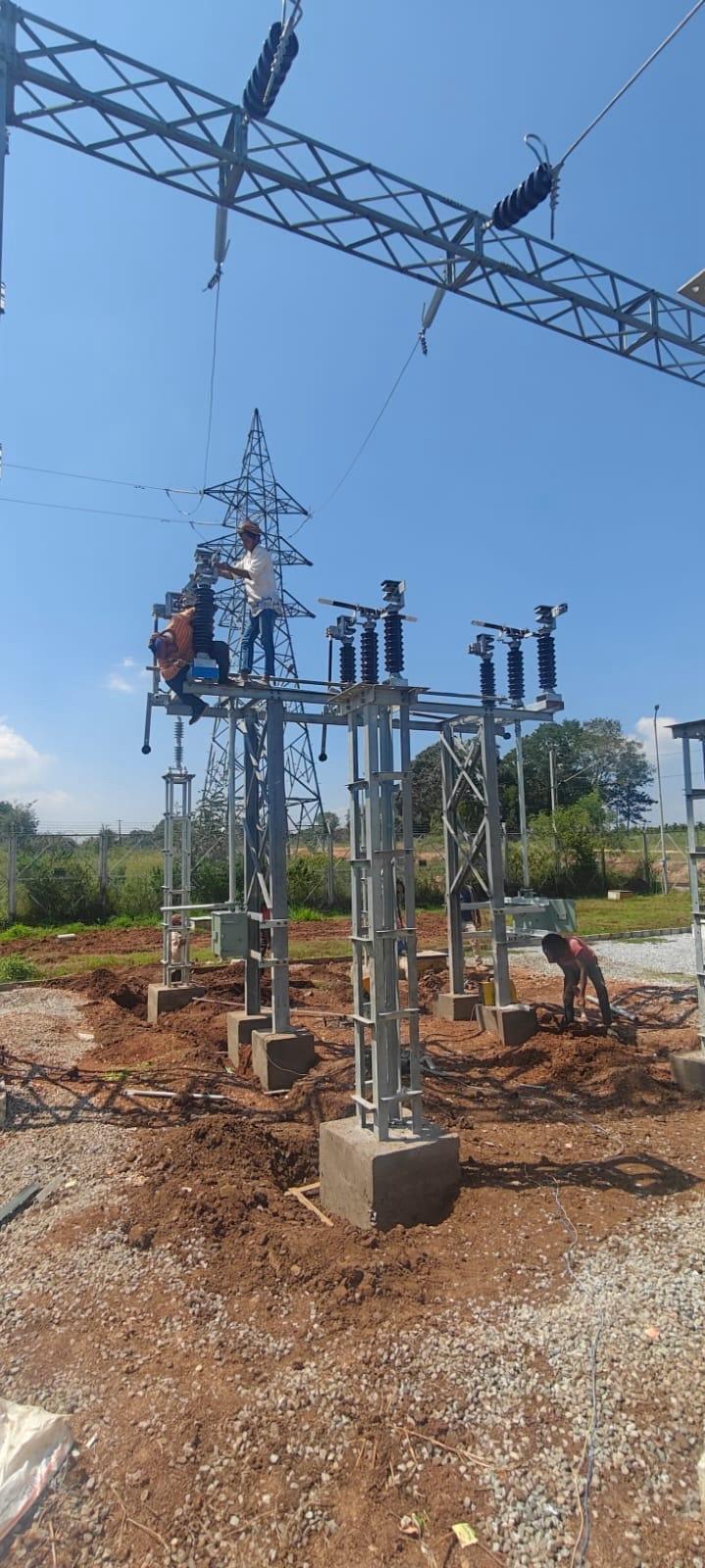
KPTCL engineers and personnel worked relentlessly to strengthen the transmission network and commission traction-power infrastructure along the newly electrified Sakaleshpur–Subrahmanya Road section of the Western Ghats ahead of the launch of the Bengaluru–Mangaluru–Madgaon Vande Bharat Express.
“Transmission infrastructure has been developed in phases to ensure reliable traction power despite the challenging conditions of the Western Ghats. During Vande Bharat operations, technical personnel will be stationed at key KPTCL substations and connection points to undertake 24×7 monitoring,” Manohar said.He also commended the engineers, technical personnel and management for their efforts in establishing upstream grid connectivity, augmenting substation capacity and developing the transmission network across the difficult ghat section.