










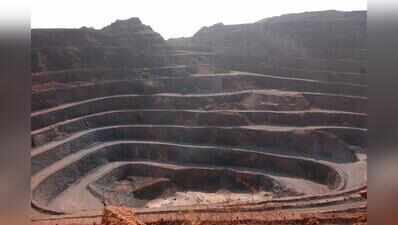
Bengaluru: Cracking the whip on illegal mining and entrenched local networks, the Karnataka government on Monday ordered a complete overhaul of the mines and geology dept, transferring nearly 80 per cent of its workforce in one sweeping move. As many as 160 officers across districts have been shifted in what is being billed as the largest transfer exercise in the department’s history.The massive reshuffle comes barely days after Chief Minister D K Shivakumar reviewed the department’s functioning on July 1 and directed officials to tighten enforcement against illegal mining and boost revenue from the sector. The transfer axe has fallen on 131 geologists, 23 senior geologists and six deputy directors. Several officers who had remained rooted in the same locations for years — in some cases, reportedly for decades — have been given marching orders.Officials serving for prolonged periods in their home districts and neighbouring areas have also been shifted, in an apparent attempt to dismantle local influence and strengthen the government’s enforcement machinery. Sources in the state govt told TOI that Mines and Geology Department Secretary Rohini Sindhuri, IAS, flagged the issue of long-serving officials during the July 1 progress review meeting. Taking serious note of the concerns, Shivakumar directed top officials to immediately draw up and submit a transfer proposal, paving the way for the sweeping administrative overhaul.The major objective behind the massive reshuffle, according to senior officials of the department, is the government’s attempt to tighten its grip on illegal mining and quarrying operations across Karnataka. Officers occupying sensitive positions for prolonged periods have been shifted as the government seeks to break possible entrenched networks and insulate enforcement officials from local pressures.The reshuffle also signals a push to plug revenue leakages in the mining sector. With illegal extraction and transportation of minerals posing a challenge to enforcement agencies, the government is betting on a large-scale rotation of officials to bring greater accountability to the system and sharpen action on the ground. While some officials described the exercise as an ‘unprecedented’ restructuring undertaken in the larger public interest, the state government maintained that it was an attempt to reset the department’s administrative machinery.