

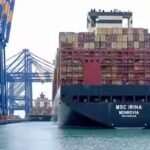







India’s ship safety certifier said it will not certify vessels owned by Iranian or Russian entities, while cautioning that it has limited visibility over how ships are used once they enter global trade, according to Reuters.The Indian Register of Shipping (IRClass), one of the world’s major maritime certification bodies, said classification status is critical for securing insurance and port access, making its decisions consequential for vessels operating in international waters.However, executive chairman Arun Sharm did caution that while IRClass would not accept vessels owned by Iranian or Russian entities, monitoring cargo movement after certification remains beyond the organisation’s control.“Today, we may take in a ship which is as per the registry, non-Russian, non-Iranian, and tomorrow (the vessel) carries oil from Iran to somewhere … we don’t have any control on that,” he added.Since 2023, the Mumbai-based non-profit has de-classed 235 ships from its registry, including oil tankers and gas carriers, Sharma told Reuters.He said the organisation has tightened its sanctions compliance framework in response to Western restrictions. “From almost 2023 onwards, we are not taking any ships which have any sanctions, whether it is US or European or UK sanctions,” Sharma said, referring to measures imposed on Russia over the Ukraine conflict and Iran over its nuclear programme.IRClass has also removed significant sanctioned tonnage after reassessing compliance, including vessels that could not adequately justify their listing status. “We have released almost about 13 million (gross) tons of tonnage which were sanctioned vessels, but could not satisfactorily explain to us why there was a sanction. So, there was a huge amount of tonnage which we de-classed,” he said.The move comes amid wider divergence in global enforcement approaches, with India maintaining a cautious stance in sanction-linked energy trade while China has recently urged firms not to comply with US sanctions targeting certain oil refiners linked to Iranian crude purchases.Industry experts say stricter classification practices could also accelerate the growth of so-called “shadow fleets” operating outside recognised insurance and safety systems, raising environmental and compliance risks in global shipping lanes.