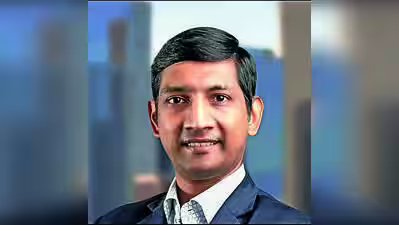








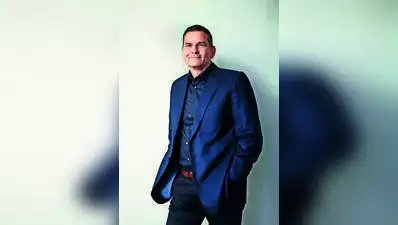
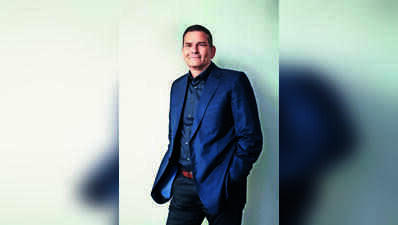
The Munich (Germany)-headquartered 8 billion euros Knorr-Bremse Group is setting up a new manufacturing unit in the Sriperumbudur industrial corridor, investing 200 million euros to serve the railway and transport segments. The facility is expected to be operational by next year. Global CEO Marc Llistosella, who earlier built Daimler’s commercial vehicle operations from the ground up at Oragadam and launched the BharatBenz brand of trucks and buses in India, was in Chennai to review the progress of the project. He spoke about the Indian market, Chennai’s role, talent and growth opportunities. Excerpts:What role will Chennai play in Knorr-Bremse’s long-term plans for India, given its existing facilities in Pune and Palwal?We started our rail operations in Palwal. We also have two facilities in Pune — one for trucks and another focused on R&D. These operations functioned separately, but we wanted to bring them together. Our powertrain, bus and truck businesses need to work together. We have taken steps in that direction, but now we need to bring our talent together to become as strong as possible. Chennai will become the nucleus of our identity in India. This is where we will establish our identity as Knorr-Bremse. We have committed to employing 3,500 people here across operations. The era of viewing India merely as a low-cost destination ended a long time ago. India is about talent. We need talented young people, dreamers and visionaries. Our business is about friction, but not the kind that causes deceleration. It is the kind that drives acceleration. That is what Chennai represents for us.What growth opportunities do you see for Knorr-Bremse in India?Where is global growth coming from today? Europe is a good market, but it is growing at a very low single-digit rate. India is the growth engine. It is growing at between 6% and 7.5%, depending on how you calculate it, and is outgrowing China. There is considerable scope for further growth because the base is relatively low. We also believe in public transportation. Commuting is a major consideration, and it makes sense to invest in metro systems, regional rail services and high-speed trains. Will India develop a high-speed rail network on the same scale as China? Probably not, because India is India. It is not a copy of China, and it never will be. We expect growth in our core segments in India —freight and passenger rail transport, as well as commercial vehicles. Knorr-Bremse is involved in rail projects in several cities as a leading supplier of braking and entrance systems for metro trains. It will also supply braking, air-conditioning and other systems for high-speed trains.How do you view India’s investment climate, particularly in Tamil Nadu?Politics may change, but policies remain consistent. Businesses need agility, but they also need stability — clear rules that endure beyond individual governments or administrations. The institutional and administrative framework here is world-class. When I first came here in 2006 or 2007, many of these systems were already in place. The idea was simple: give investors a single point of contact instead of making them deal with 30 or 40 govt departments and agencies. This improves transparency and accountability. While multiple agencies may be involved behind the scenes, investors should have one institution to guide them through the process. Here, the policies, agreements and institutional framework remain consistent despite political changes. That helps accelerate investment.Will Chennai become a global manufacturing and sourcing hub for Knorr-Bremse?Chennai and Tamil Nadu have all the ingredients to become a global manufacturing hub, with a strong industrial base and a flexible, intelligent workforce. Indian suppliers are willing to invest, but they need to see clear business opportunities first. Companies such as Bharat Forge have done well by investing carefully and avoiding excess capacity. We need partners who want to grow with us not just in volumes and revenue, but also in quality and global competitiveness. The products manufactured at the Chennai factory will serve both the Indian and global export markets. Electronics are more complicated, but India can manufacture almost everything else. We just need to dig deeper. Our Chennai operations are also developing into a leading technology hub. Last year, we opened our AI centre as part of our global digital strategy.