









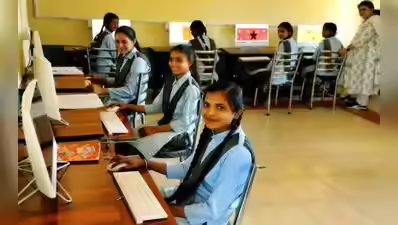
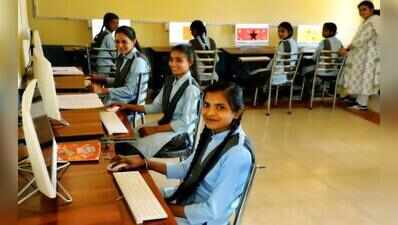
Jaipur: Alwar has emerged as a state model for digital education in govt schools, with over 100 digital libraries set up in the past one and a half year under the Alwar e-Vidya project.The district administration aims to establish a digital library in one govt school across each of its 291 gram panchayats by Dec under the Alwar e-Vidya project, an initiative aimed at improving digital access and learning opportunities for rural students.Officials said digital libraries have already been set up in 260 gram panchayats, while work is underway in the remaining 31, which are expected to be completed by the end of the year.Launched in Jan 2025 under the leadership of District Collector Artika Shukla, the e-Vidya project is supported through govt schemes, corporate social responsibility (CSR) funding and public participation. The initiative seeks to bridge the rural-urban digital divide by providing students access to e-learning resources, competitive examination material and educational content beyond the regular curriculum.Education department officials said the digital libraries are equipped with computers, child-friendly furniture, printers, CCTV surveillance, high-speed internet connectivity, inverters and solar power backup to ensure uninterrupted access.“When this project started in Jan 2025, the idea was to map the entire district and establish digital libraries so that students in rural areas could benefit. Around 130 schools already had such facilities, where renovation and maintenance of computers were carried out,” said Manoj Sharma, additional district project coordinator, Samagra Shiksha Abhiyan, Alwar.“In the remaining gram panchayats, new digital libraries were established. Going forward, we also plan to collaborate with institutes that provide coaching for competitive examinations to conduct online classes for rural students. While students in urban areas have access to study spaces in schools and coaching centres, we want to create similar opportunities in villages,” Sharma added.He said the initiative has helped students develop computer skills, use online educational resources, and gain confidence. In several schools, officials have also recorded improved attendance, with students showing greater interest in visiting schools to use the digital library facilities.