








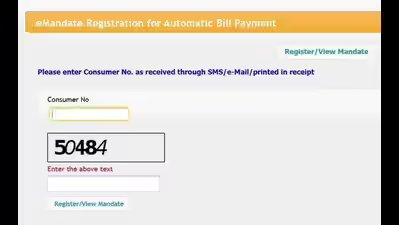
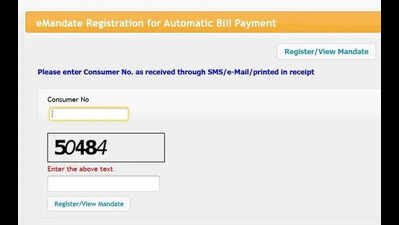
Chennai: Domestic, commercial and other low-tension electricity consumers in the state can now enable auto-debit facility to ensure timely payment of power consumption charges and avoid penalties. TNPDCL has introduced the feature in collaboration with Federal Bank through the National Automated Clearing House (NACH) platform.Officials said that all low-tension consumers, including household services, can register on TNPDCL website for auto-debit facility by submitting the bank account details and Aadhaar-based authentication. Once the autopay facility is activated, the consumption charges will be automatically debited from the linked bank account on the 10th day from the date of assessment, and an e-receipt will be generated. TNPDCL has also provided the option of cancelling the auto-debit facility on its website. In case of failure of payment due to insufficient funds and other reasons, the consumers will be informed through SMS and e-mail, and bill payment can be done through alternative modes. With nearly 85% of consumers paying electricity bills online, the new facility is expected to bolster the revenue of the power discom with confirmed payments from consumers. Electricity consumers have multiple options to pay electricity bills such as netbanking, credit and debit cards, UPI as well as through post offices, banks, TN e-seva centres. However, skipping payment even by a day often results in disconnection of services, payment of penalties and reconnection charges.While welcoming the move, consumer activists said the auto-debit facility should be restricted only to consumption charges. “The circular says miscellaneous charges and arrears will also be auto-debited, which is not correct. Consumer discretion should not be taken for granted. Also, the auto-debit should happen from the date the consumer is informed of the charges, as, in many cases, assessment is communicated to consumers many days after the assessment. Importantly, a separate grievance redressal team should be put in place with the contact numbers of officers in charge to resolve issues in this regard,” said S Neelakanta Pillai, a chartered engineer.