










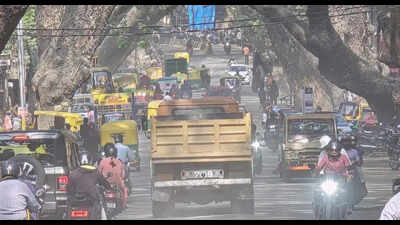
Bengaluru: The city has witnessed a sharp rise in dust-related allergies and respiratory illnesses over the past few weeks, with doctors attributing the spike to increased construction activity, dry weather and worsening air quality.In many parts of the city, the Air Quality Index (AQI) has crossed 100, falling in the ‘moderate’ to ‘poor’ category. Doctors say this decline in air quality has significantly contributed to the surge in cases.The increase in infections began in the first half of March as temperatures started rising. Currently, doctors report seeing 20-50 cases of dust-related illnesses each week, depending on the area.“We are witnessing a sharp 20-40% increase in OPD visits mainly related to dust allergies, with some clinics reporting around 30-50 cases per week, depending largely on location. The rise typically begins during late Feb and early March as temperature increases and continues through the entire peak summer. The onset often coincides with the dry weather conditions and higher outdoor exposure,” said Dr Shreevathsa Upadhyaya, consultant – internal medicine, Sparsh Hospital, Yelahanka.Doctors say the most common conditions being reported include allergic rhinitis, asthma flare-ups, allergic conjunctivitis and upper respiratory tract irritation.“Common symptoms include runny nose, sneezing, watering of the eyes, wheezing, chest discomfort, dry and non-productive cough, breathing difficulty and skin-related allergies like hives and itching,” said Dr Nidhin Mohan, senior consultant, general medicine, Narayana Healthcity.Explaining the reasons behind the spike, doctors point to a combination of environmental factors.“This rise is largely due to environmental factors like intensified construction activity, road excavation, dry weather and reduced rainfall, which allow dust to remain suspended in the air for longer periods,” said Dr Darshana Reddy, medical superintendent, internal medicine & diabetologist, Altius Hospital.She added, “Vehicular emissions mixing with dust particles further worsen the irritant effect, while loss of vegetation and exposed soil contribute to the spread. PM10 particles have been identified as a major pollutant in many parts of the city, directly affecting the nose, throat and airways. Current AQI levels often fall into the moderate to unhealthy range, making individuals with allergies or respiratory conditions particularly vulnerable.“While such seasonal increases are not uncommon, doctors say the situation is more severe this year.To reduce risk, doctors recommend simple preventive measures. “After outdoor exposure, wearing masks and showering are effective in reducing dust-related symptoms. Masks help filter airborne particles, while bathing mainly removes allergens from both skin and hair. Additional steps include using air purifiers, keeping windows closed during peak dusty hours, avoiding outdoor activities during the period of high pollution and staying well hydrated,” said Dr Shreevathsa.Dr Manjunath HK, pulmonologist, Trust-In Hospital, added, “Other preventive measures are regular vacuuming, avoiding usage of heavy carpets and soft toys, cleaning bed sheets, covers and pillowcases with hot water once a week. Taking the flu shot also helps reduce complications.”