











Bengaluru: Dr YC Janardhan Reddy, who took charge as interim director of National Institute of Mental Health and Neurosciences (Nimhans) on Sept 1, spoke to TOI about the institute’s growing patient load, plans to improve access to care and the challenges posed by its highly centralised model. He outlined why expanding Nimhans alone may not be enough to address the pressure on its services, and spoke about the role of technology, including AI, in the future of mental healthcare. Excerpts:
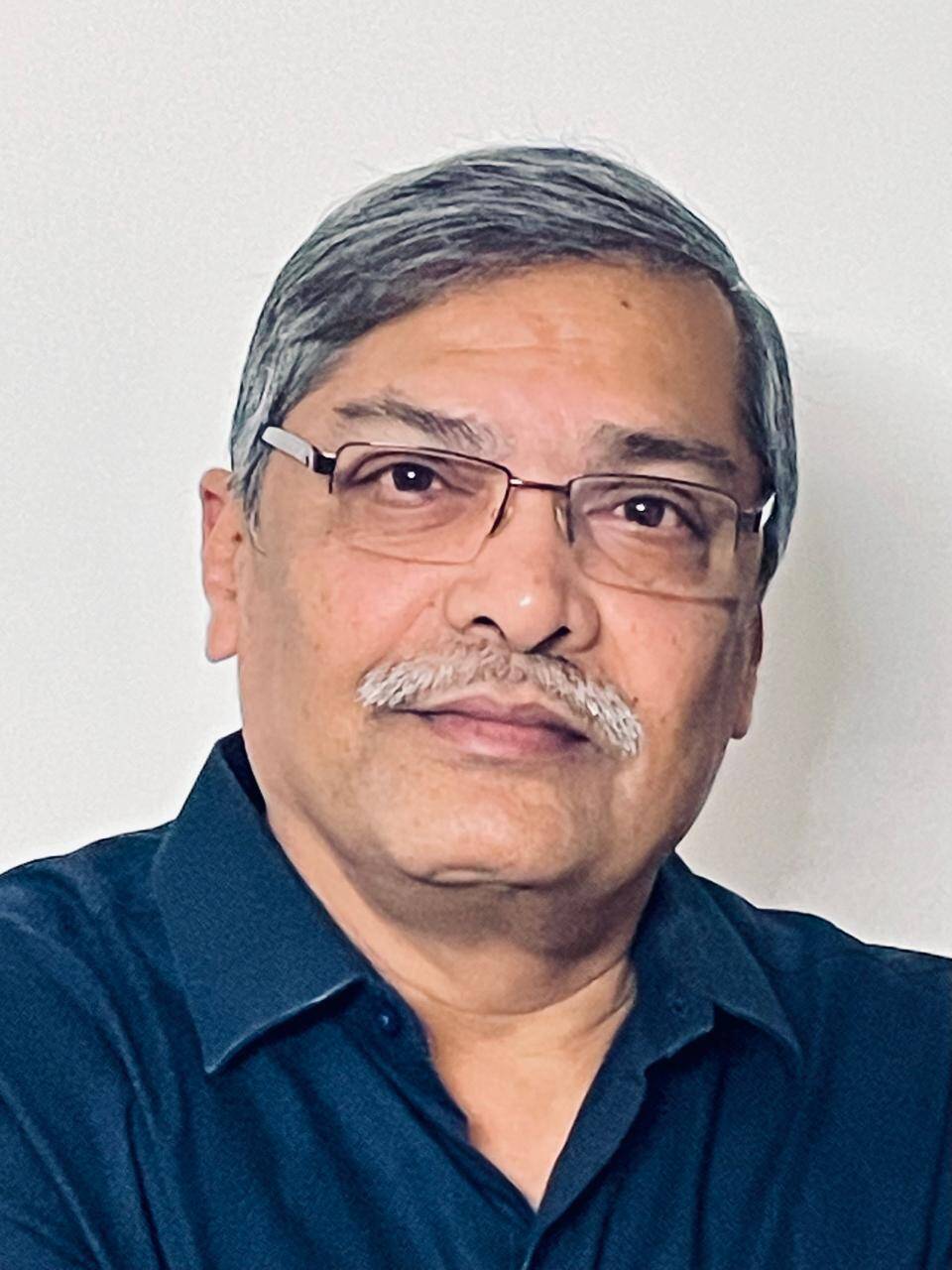
Dr Y C Janardhan Reddy, Director and Senior Professor of Psychiatry, Nimhans
Patients often complain about long waiting times at Nimhans OPD, while there are also concerns about ventilator availability in casualty. OPD queues reportedly begin as early as 4am. Why does this happen?A tertiary institute like Nimhans should cater to a certain kind of patient population. But people from all over the country come here for everything — from a simple headache to the most severe problems. We are also trying to reduce waiting times and streamline services, but the sheer number of patients is huge. No hospital can cater to such demand beyond a point.Another reason for the demand is that people, during emergencies, go to corporate hospitals and within two days realise they cannot afford the treatment and want to shift here. That is understandable, but the resources available are finite. Even if you open another Nimhans next door and create another 50 ICUs, they will be filled up the same day.So, to me, strengthening the periphery is the answer. Unless we strengthen secondary-care centres such as medical colleges and district hospitals, with good infrastructure and competent people, there will continue to be a problem. Once we make them stronger, people will not have to come to Nimhans for everything.What is the status of the new Nimhans campuses?The campus in north Bengaluru, which is a polytrauma centre, is going to become operational soon. We might start OPD services in a couple of months. Our new OPD on the main campus will also begin in a few months.As for Nimhans 2.0, announced in Union Budget, govt is yet to decide where the new centre will be set up. Nimhans played an important role and provided a lot of inputs for its development. It is not supposed to be an extension of this campus, although the overarching model would be the same.Is Nimhans planning to go all in on AI now?The straightforward answer is no. I don’t think we are at a stage where applications of AI in mental health have reached a translational level where they can be used routinely.AI is a very broad term. There are many programmes where we are using digital technologies, including Tele-MANAS and other such programmes. There are also research applications where machine learning and other techniques can be used.AI is a very broad term. There are many programmes where we are using digital technologies, including Tele-MANAS and other such programmes. There are also research applications where machine learning and other techniques can be used.Right now, a lot of AI in psychiatry is at the research level, trying to understand the biological correlates of illness. There are also people working on developing apps for cognitive training, self-help, depression and so on. Many faculty members have developed apps and are trying to test them.In the larger world, there are many internet-based cognitive behavioural therapies that can be used for people with mild to moderate illness. Some have no therapist intervention and are entirely programmed, while others have periodic professional inputs. These programmes can benefit patients, but they have to be indigenous because mental illness and its cultural context are very different.Apps, chatbots, cognitive remediation and other digital technologies have also emerged. But at this point, I don’t think we are in a position to use them routinely in clinical practice.For that matter, in most of medicine, I think AI is going to be complementary. It is unlikely to replace the human component. Ultimately, it is as good as the data you feed into it. That’s how it is trained.How important are academic collaborations, especially with technological institutions?In many universities around the world, medical and engineering universities exist on the same campus. These collaborations are important because we are not technocrats. It is highly specialised now. You need clinicians, researchers, clinical researchers, AI specialists and people who have experience in machine learning, deep learning, cybersecurity and other such areas.There is a way to move forward and we need more collaborations. In fact, they are now coming to us because the data is available here and they have the expertise. We already have collaborations with a couple of IITs.