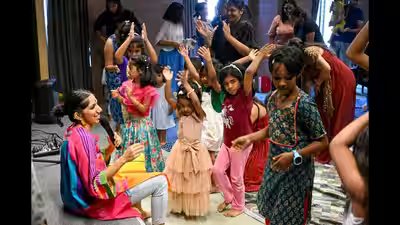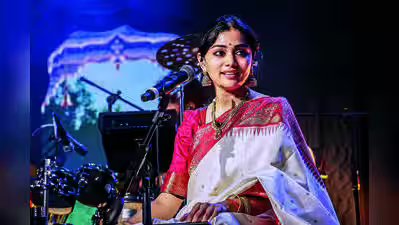









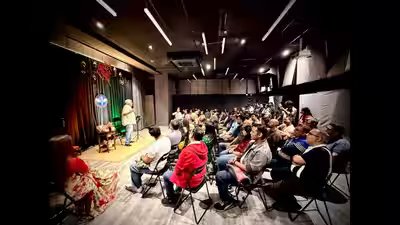
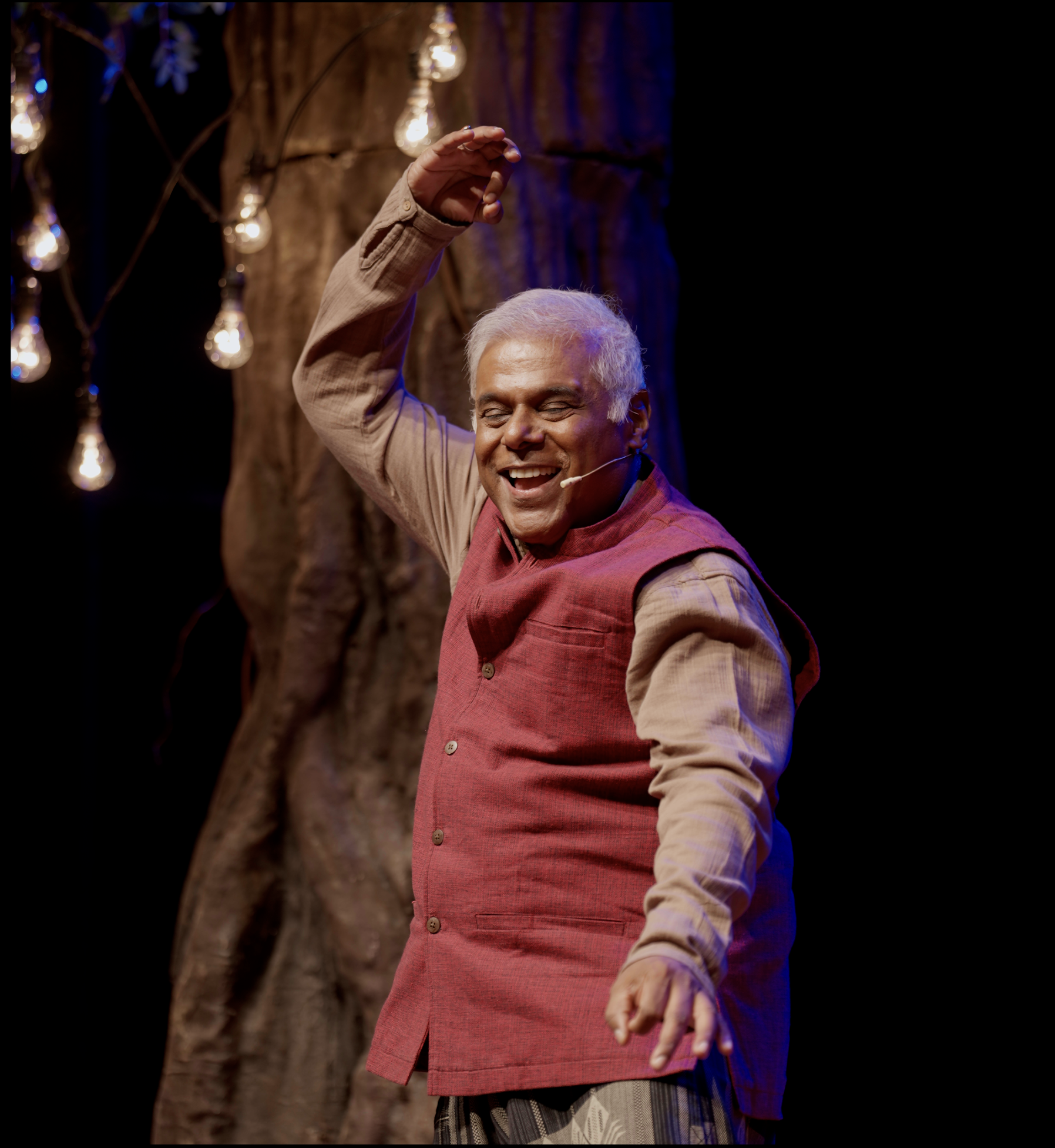
We have never had more stories at our fingertips. They arrive through podcasts, social media reels and audiobooks, available whenever and wherever we want them. Yet people are choosing to pay for a ticket, enter a room and spend an hour or two listening to someone tell a story live on stage.Across India, storytelling is finding a new audience and a new stage. Performers who began with open mics and social media audiences are now taking their work to ticketed shows, tours, festivals and spoken-word events — nationally and globally. The growing appeal of the format seems to lie in the experience of hearing a story unfold in a room, together with strangers.‘One feels universally connected in the room’So why sit in a room to hear a story when you can listen to one online, from the comfort of home? “Storytelling has existed for ages; you see it in the Jataka tales, the Ram Leelas, the Krishna Leelas, and there was also the great storyteller Teejan Bai, who would sit and tell stories from the Mahabharata. Today, there are people like her who just tell stories of the current scenes,” says Ashish Vidyarthi, whose live show Kahanibaaz draws from his decades of experience as an actor and traveller.
I want to normalise pain for people to get that you are not isolated. I allow people to laugh at my falling. And I say, isn’t it easy to laugh at others falling? And how will it be if you can laugh at yours too
Ashish Vidyarthi
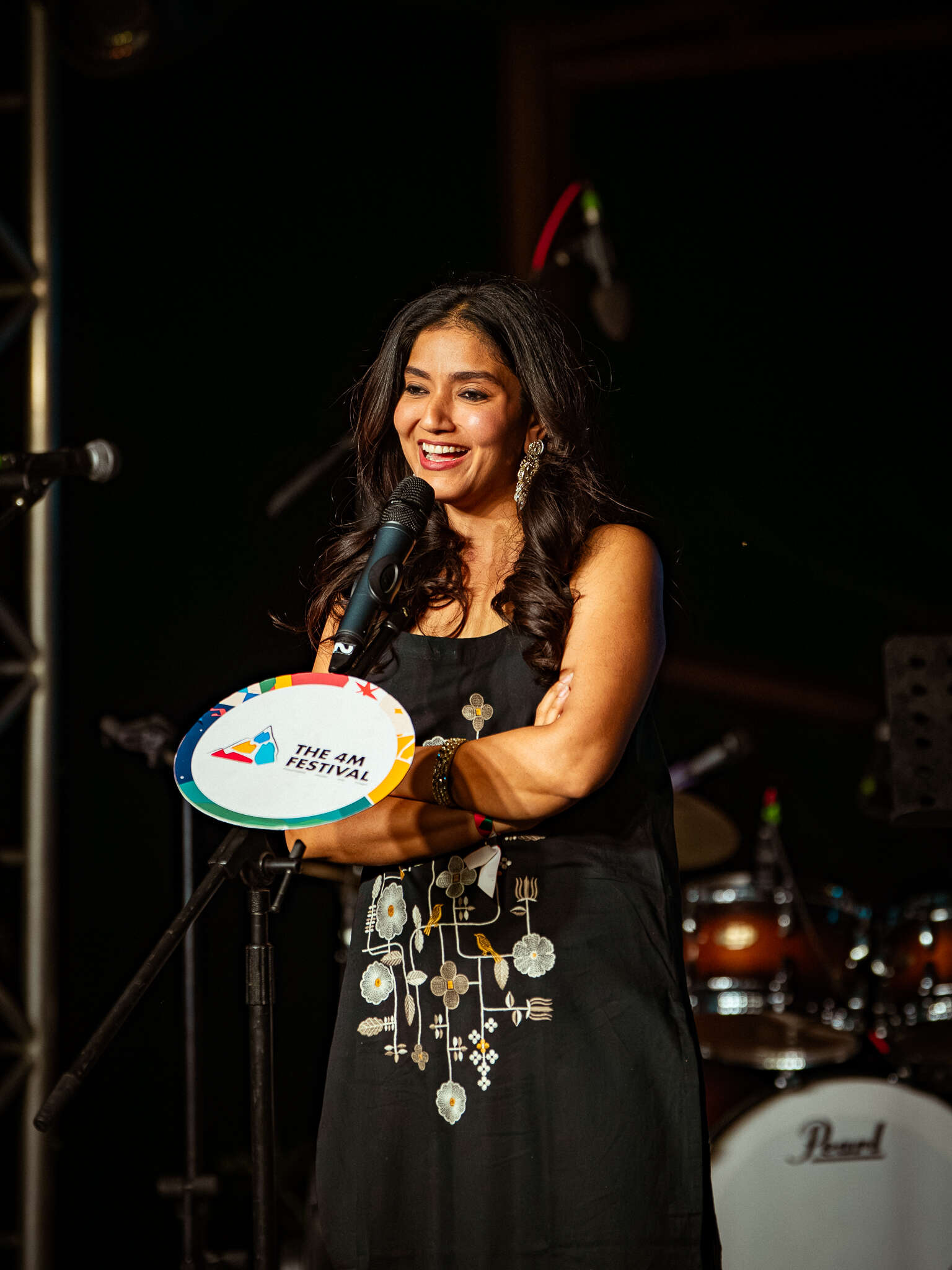
For Helly Shah, whose journey began at open mics in Mumbai, that contemporary quality is central to the format’s appeal. “The beauty of the storytelling that we do right now is that we are not just telling the stories of the past. We are telling stories of our time and people are really liking that,” she says.“Storytelling says, ‘Here is something that happened to me. Have you felt this too?’ That vulnerability creates a very different contract between performer and audience,” says Roshan Abbas, storyteller and co-founder of Kommune. “There is also no guarantee of exactly what a live story will evoke. You don’t know whether the next ten minutes will make you laugh, cry, feel uncomfortable or suddenly think about your own life differently. Surprise is one of the great currencies of a live experience,” he adds.
For people to come together, sit still and cry over a story that seems relatable to them will always be vulnerable
Sainee Raj
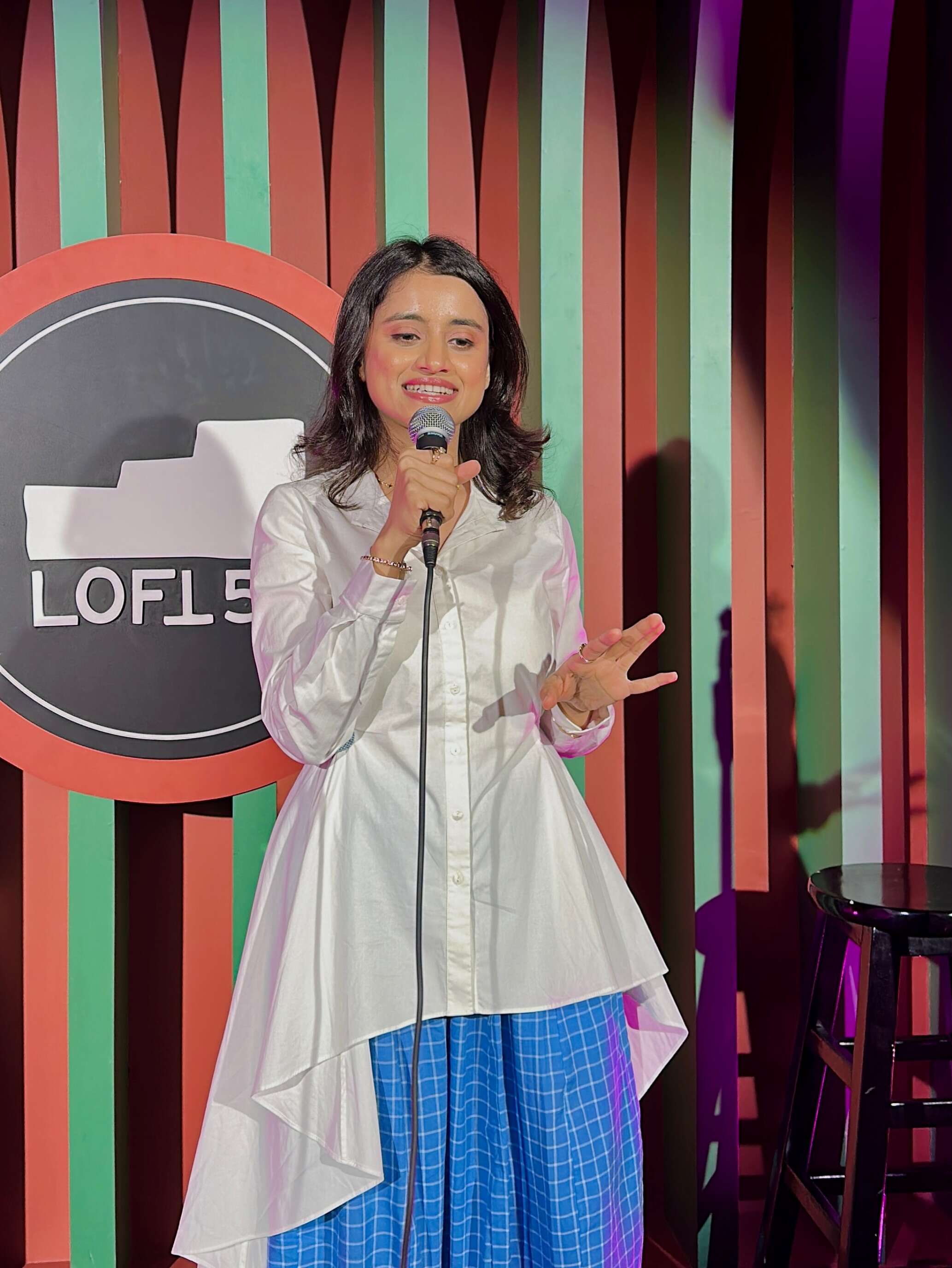
Personal stories form a large part of the material, but the appeal is not necessarily in the confession itself. It is in what happens when an individual experience suddenly becomes recognisable to an entire room. Ashish says his intention is to normalise the difficult parts of life and make audiences feel less isolated. “I want to normalise pain for people to get that you are not isolated. I allow people to laugh at my falling. And I say, isn’t it easy to laugh at others falling? And how will it be if you can laugh at yours too?” he says.“I could listen to a podcast or watch a spoken-word performance online, but being in the room with strangers makes me feel like I am part of the story being narrated on stage,” says Preksha Shah, who regularly attends live storytelling shows. “There have been moments when someone on stage has spoken about something I thought only I had experienced. You walk out feeling like, okay, maybe I’m not the only person who thinks or feels this way,” says Neha, who recently attended a spoken-word event.‘Storytelling is an all-round experience of emotions’Actor, writer and spoken-word artiste Sainee Raj points to an interesting distinction: “Storytelling and stand-up comedy may share the live-performance space, but they create very different relationships with audiences. While comedy allows people to come together and laugh, storytelling asks audiences to sit with vulnerability and emotion.”Helly adds, “Theatre can have a more defined artistic language, while comedy is often about switching off and being entertained. But there is a certain intention with which people come for spoken-word and poetry shows. There is room for every emotion.”
There is a certain intention with which people come for spoken-word, storytelling and poetry shows
Helly Shah
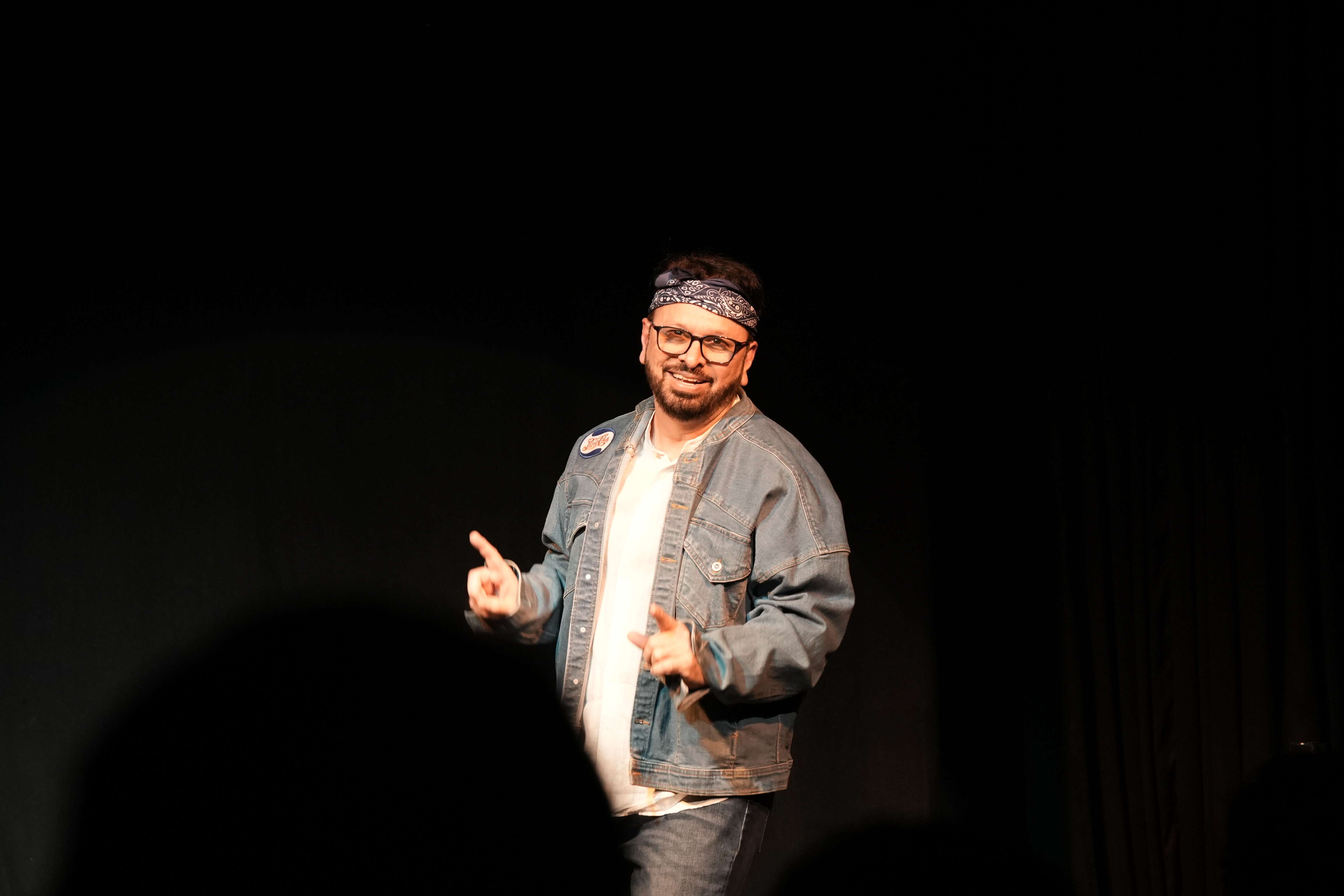
‘Not just a passion; it is a full-fledged profession’Storytelling is increasingly moving from being a passion pursued alongside a regular job to a career that can support artistes through multiple income streams.Helly says she landed her first paid gig after some of her YouTube videos crossed millions of views. “It did not pay too much, but as a college student, it was extra pocket money so I was happy,” she recalls. By the time she graduated, she already had events lined up and, encouraged by the community around her, decided to pursue storytelling professionally while continuing to take up writing projects to sustain herself.Sainee Raj says storytelling has always been closely tied to her professional identity. She was approached by brands and a management company in 2019, but a project in 2020 made the possibility of a career feel real. “We’re on the path of this being a career and not just a hobby,” she says.Abbas tells us, “There is a sustainable cycle where some people are making Rs 50,000 and some are making Rs 5 lakh to Rs 10 lakh to even more money a month via storytelling events,” he says. He adds that there could currently be around 1,000 people across India making a living, at least partly, through the form.Importantly, the money is no longer limited to ticket sales. Abbas says storytellers can diversify into brand collaborations, writing for television and OTT, workshops and corporate training.
Audiences may come for familiar names but often leave talking about an artiste they discovered that day, which is one of the great pleasures of storytelling
Roshan Abbas
‘Women are owning this space to share their stories’One noticeable feature of India’s growing storytelling scene is the visibility of women performers and the subjects they bring to the stage.Ruchicka Lohiya, a storyteller, points to the gender balance, saying, “Poetry and storytelling right now in India have been dominantly ruled by women.” She sees this as part of a larger shift in who feels able to narrate personal experiences publicly. “When one woman sees another woman stand up and tell the truth, it gives her permission to do the same,” he says.
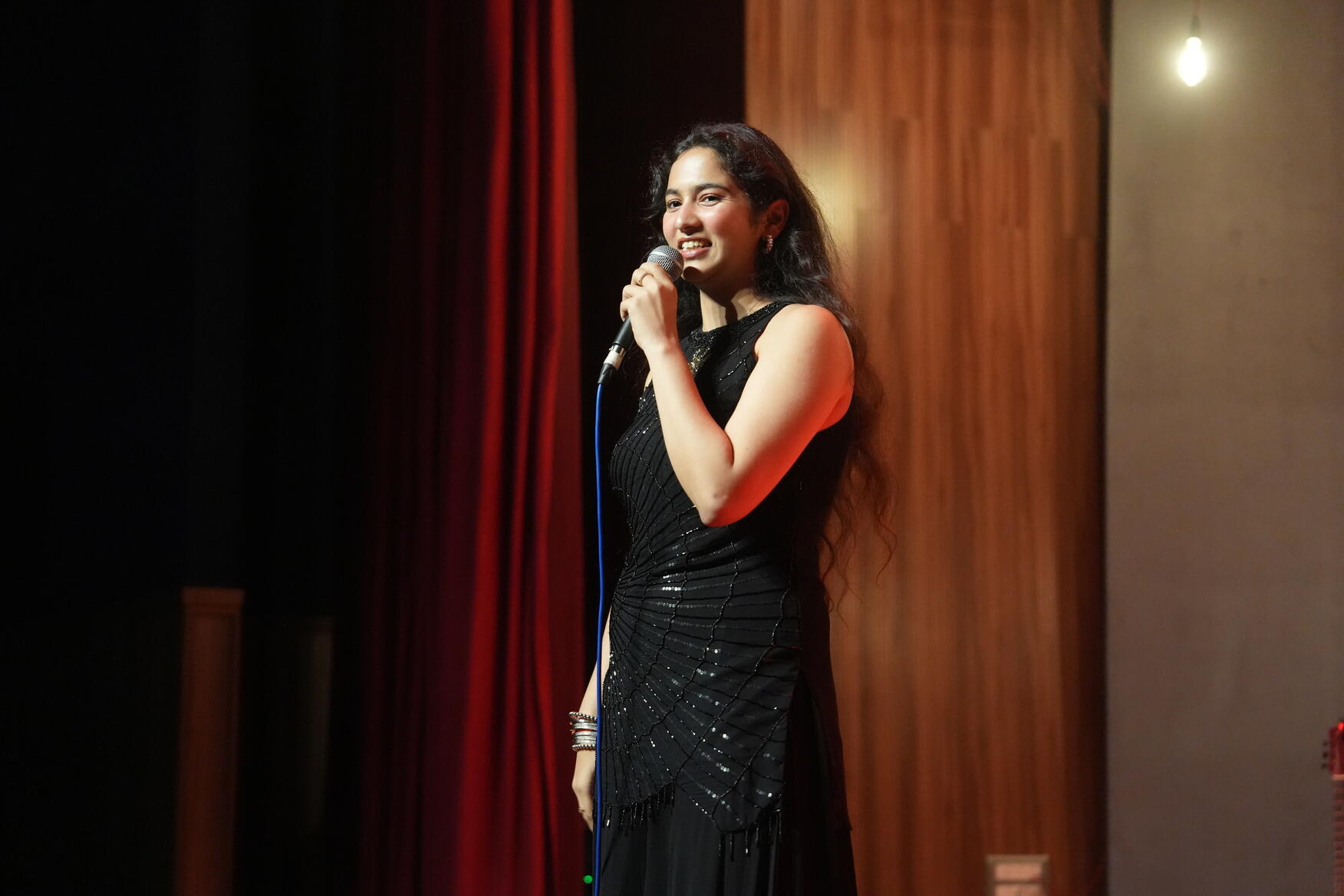
Helly believes traditional subjects also need to be articulated through different perspectives. “Stories around love, modern relationships, femininity, womanhood and body image need a female perspective,” she says.“Spoken-word events give us something we haven’t always been given enough space for — a voice without having to make it smaller. It lets a woman take something she may have been told is too personal, too emotional, too much and say, this is my story, and it deserves to be heard,” says Vanika.
Storytelling lets a woman take something she may have been told is too personal, too emotional, too much and say, this is my story, and it deserves to be heard
Vanika Sangtani
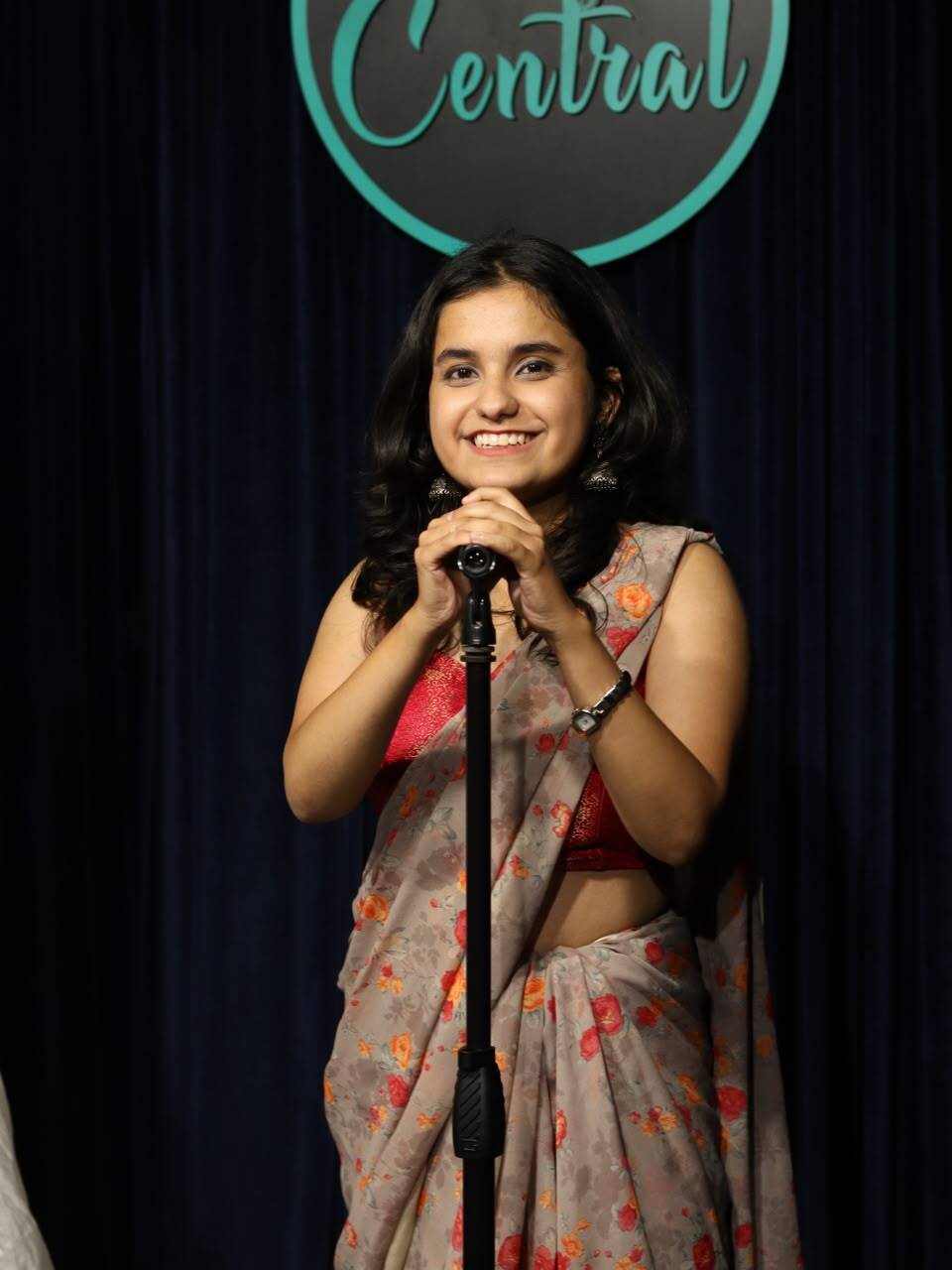
Sainee connects this to society’s broader relationship with vulnerability. “With poetry and storytelling, the part where things can get softer is associated with feminine, and the part that’s loud and obnoxious is associated with masculine. In a culture increasingly drawn to hyper-masculinity and the ‘alpha’ ideal, I believe storytelling can offer another way of understanding emotional openness that allows tenderness to exist alongside strength without any gender bias,” she says.