








Bengaluru: Root canals may be routine in humans, but performing one on a Bengal tigress is an altogether different challenge. Requiring prolonged anaesthesia, specialised dental equipment and exceptional precision, a rare root canal surgery has been successfully performed on Sinchana, a four-year-old tigress at Bannerughatta Biological Park (BBP), coinciding with International Tiger Day.Considered as as a rare feat in wildlife dentistry, experts from Bannerughatta Biological Park and Wildlife SOS chose to save Sinchana’s severely damaged canine tooth instead of extracting it — a procedure seldom attempted on big cats. The tigress had fractured the tooth after repeatedly biting the bars of her enclosure. While extraction would have been the simpler option, the veterinary team opted for a nearly three-hour root canal to preserve the tooth and restore its function.
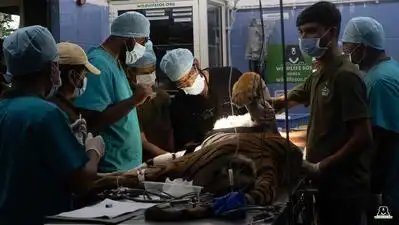
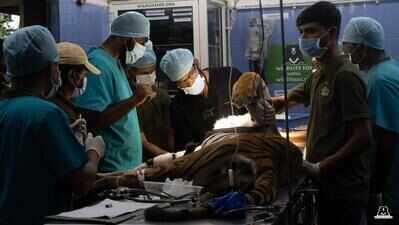
Veterinarians from Bannerughatta Biological Park and Wildlife SOS perform a rare root canal procedure on Royal Bengal tigress Sinchana, saving her damaged canine tooth instead of extracting it.
Sources at BBP told The Times of India that the surgery was performed at the operating theatre of the Wildlife SOS Bannerughatta Bear Rescue Centre. The procedure demanded meticulous anaesthetic management, specialised dental instruments and close coordination between veterinarians from both organisations.“Performing a root canal on a tigress is among the most challenging procedures in wildlife dentistry. There is very little margin for error,” said Dr Arun A Sha, Director of Research and Veterinary Operations at Wildlife SOS. “We assessed Sinchana carefully and concluded that saving the tooth was both possible and preferable. The procedure went exactly as planned, and she is recovering without complications.”Canine teeth are indispensable for tigers, enabling them to grip, tear and process food. If left untreated, severe dental injuries can cause chronic pain, infection, loss of appetite and long-term health complications. By preserving the tooth instead of removing it, veterinarians ensured that Sinchana retained her natural bite and normal feeding ability.Wildlife experts say root canals on large carnivores are exceptionally rare because of the size of the teeth, the complexity of the procedure and the risks associated with prolonged anaesthesia. “The welfare of every animal at Bannerughatta Biological Park is our foremost responsibility. When Sinchana’s dental injury was identified, we sought specialised expertise from Wildlife SOS to ensure she received the best possible care,” said AV Surya Sen, IFS, Executive Director of BBP. “Choosing a root canal over extraction was the right decision for her long-term wellbeing. This successful outcome demonstrates the value of collaboration in advancing wildlife healthcare.”
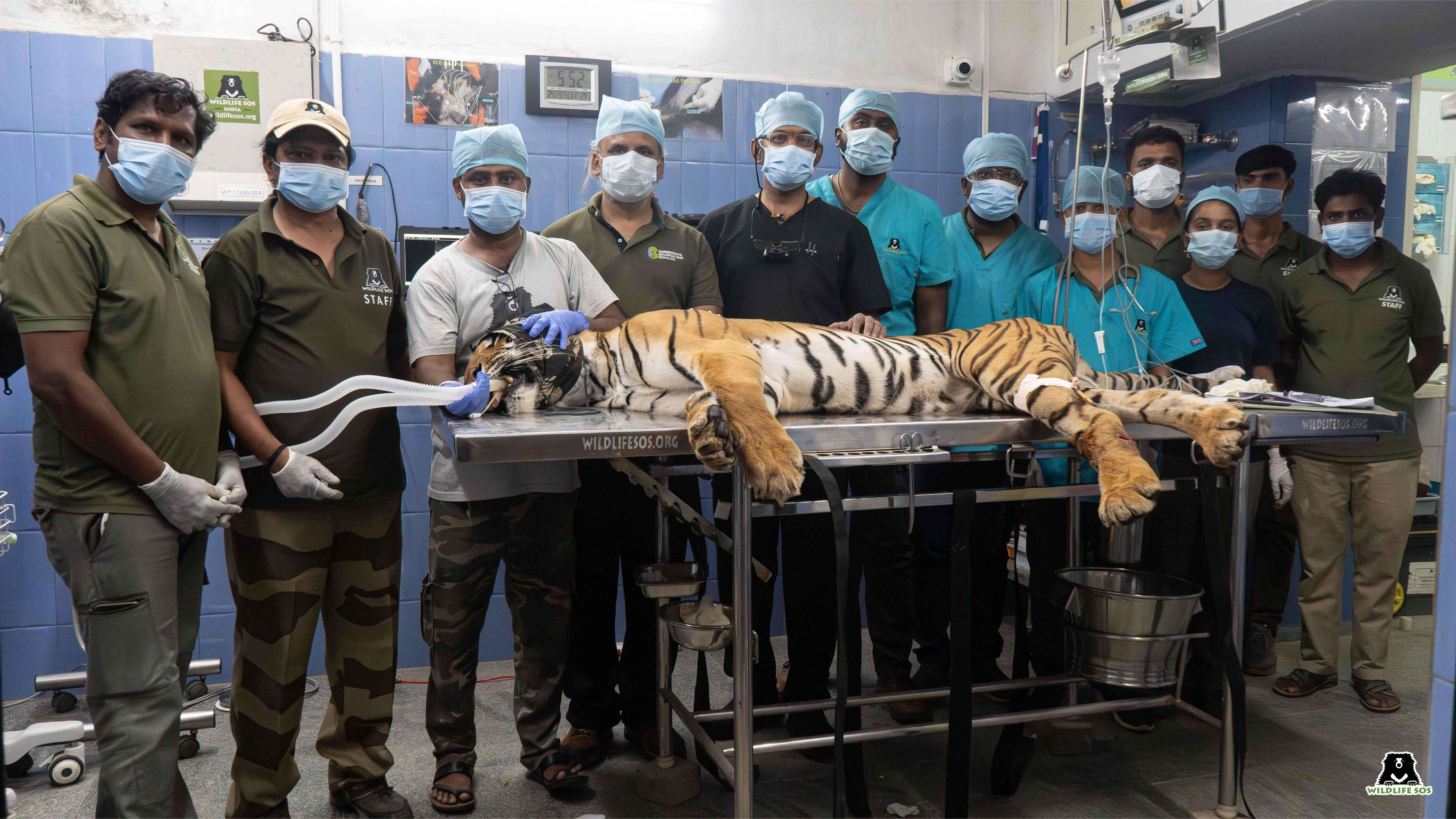
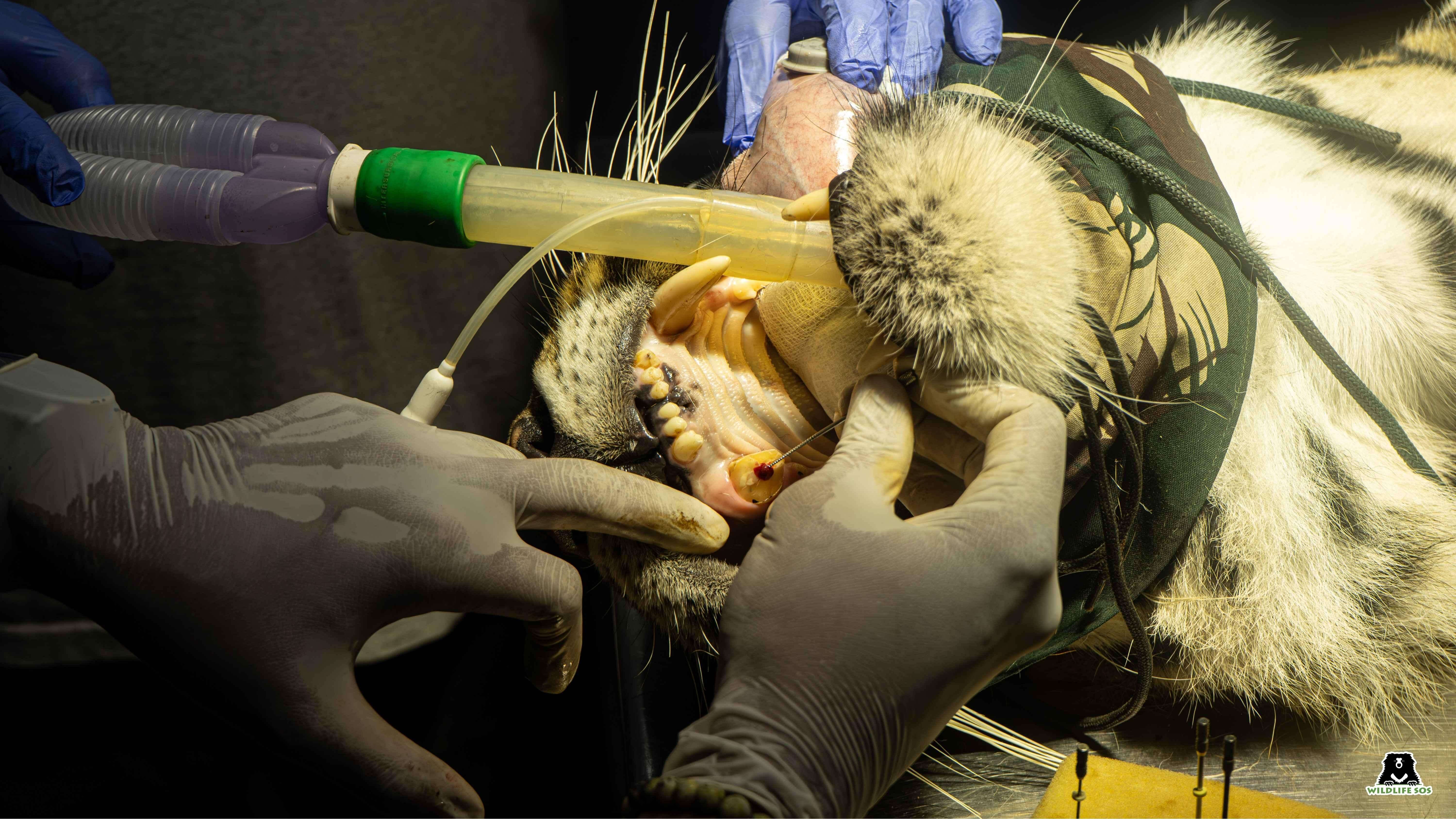
Veterinarians from Bannerughatta Biological Park and Wildlife SOS perform a rare root canal procedure on Royal Bengal tigress Sinchana, saving her damaged canine tooth instead of extracting it.
The veterinary teams jointly diagnosed the injury, prepared the treatment plan and completed the intricate procedure. Sinchana recovered well from anaesthesia and is continuing to receive post-operative care under the supervision of the BBP veterinary team. Kartick Satyanarayan, Co-founder and CEO of Wildlife SOS, said preserving the tooth, though technically far more demanding, offered the tigress the best chance of leading a normal life.“Extracting the tooth would have been the easier option. But preserving it gives Sinchana the best opportunity to maintain normal feeding behaviour and long-term wellbeing. We are pleased the surgery was successful and grateful to Bannerughatta Biological Park for entrusting us with her care.”