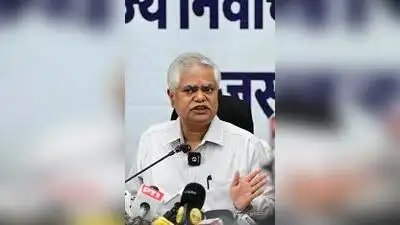









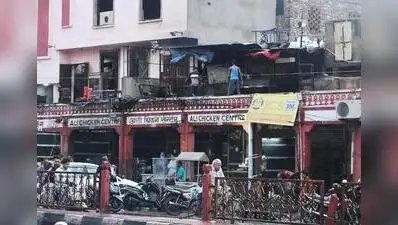
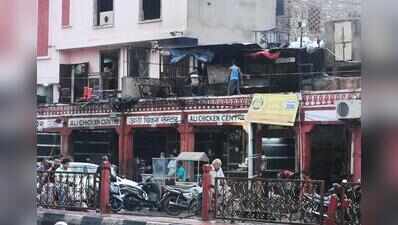
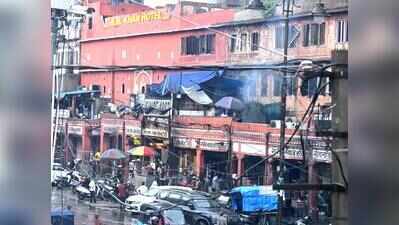
Jaipur: Jaipur’s Walled City, recognised as a UNESCO World Heritage Site, is facing growing concerns over changes to its historic character. While encroachments and unauthorised construction remain persistent issues, visual pollution is now emerging as another challenge.In areas such as Kishanpole Bazaar, Gangauri Bazaar and Ramganj Bazaar, temporary restaurants, tea stalls, tin sheds, lights and seating arrangements have come up on the upper portions of traditional verandahs.In Ramganj, several establishments have installed temporary tin roofs, lighting and seating areas above the verandahs. Iron railings and other additions have also been put up, raising questions about whether such changes have received the necessary permissions and who is monitoring them.Residents say commercial activity on the upper portions of verandahs is limited to around 20%, but the visual impact extends beyond commercial use. External AC ducts, exposed electrical wires, balcony grills and seating areas added above verandahs are also altering the appearance of the heritage streetscape.Former chief town planner H S Sancheti said Walled City should be viewed as a living heritage area rather than simply a collection of old buildings.“Its streets, chowkris, markets, havelis, temples and traditional facades together create the identity for which Jaipur is internationally recognised,” he said.Sancheti added that commercial signboards, painting, grills and other additions could gradually change the historic character of the city. “Commercial activity is necessary for a vibrant city, but it should not be allowed to damage heritage facades. Renovation must mean conservation, not transformation,” he said, stressing that Walled City heritage byelaws should be strictly followed for external facades, signboards, colours and architectural additions.He suggested continuous monitoring of important facades, creating a digital photographic and GIS record of heritage properties and using AI-based software to identify unauthorised changes. He also called for approval before external facade modifications and greater involvement of residents, traders and property owners.Historian Reema Hooja said visual pollution, including exposed wires, unnecessary banners and advertising hoardings, affects the city’s appearance. “Temporary restaurants, tin sheds and tea stalls on verandahs are dangerous for the UNESCO tag and damage the original character of the city,” she said.Hooja said unauthorised additional floors and modern structures could also hurt tourism. “If we fill the Walled City with modern structures, where will the heritage market and heritage area remain, and why would tourists come here?” she said. She called for a dedicated Heritage Committee or Heritage Cell to decide on such structures.MLAs from Hawa Mahal and Kishanpole constituencies are also members of State Heritage Committee, which is involved in the conservation of Walled City’s heritage. This raises questions over who is responsible for monitoring such changes in the area and taking action against violations.Hawa Mahal MLA Balmukund Acharya said he had written several letters to Jaipur Municipal Corporation regarding encroachments. He suggested a separate monitoring committee, cameras and Google mapping to track violations.Kishanpole MLA Amin Kagzi was unavailable for comment.