






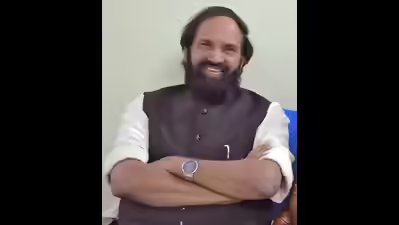
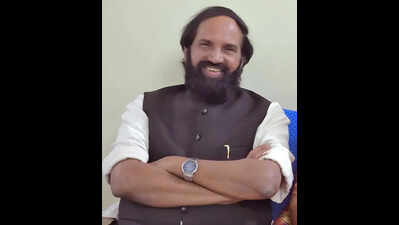
Hyderabad: Irrigation and civil supplies minister N Uttam Kumar Reddy on Monday said the state govt’s intensified paddy procurement drive was paying off, with a major portion of the paddy stocks already lifted from purchase centres and moved to rice mills.Continuing his field inspection drive, Uttam visited procurement centres at Thirumalagiri and Phanigiri in Suryapet district and reviewed the pace of purchases, lifting of stocks, transport arrangements and payments to farmers.Accompanied by Tungaturthi MLA Mandula Samuel, and district and civil supplies officials, the minister interacted with farmers and officials overseeing the ongoing Yasangi paddy procurement operations.“Telangana had so far procured nearly 64 lakh metric tonnes (LMT) of paddy through 8,575 procurement centres, the highest ever network created for paddy purchases in the state. The massive procurement exercise is paying off. Large quantities of paddy have already been moved to mills, reducing pressure on procurement centres. We are determined to purchase every grain brought by the farmers to the procurement centres,” Uttam said.“Even rain-soaked paddy is being purchased at Minimum Support Price (MSP). Farmers need not worry. The govt will stand by them till the last grain is bought,” he said.He directed officials to complete procurement in Suryapet by the end of June first week and said similar instructions had been issued to officials in Nalgonda district. The govt had already transferred ₹11,500 crore directly into the bank accounts of 9.31 lakh farmers towards paddy procured from them in the state, the minister informed.To overcome transport shortages, the minister said the govt had directed officials to deploy all available lorries and heavy vehicles for paddy movement until procurement was completed.Uttam criticised the centre’s procurement policy. While Telangana was ready to procure up to 75 LMT, the Union govt was agreeing to purchase only about 51 LMT, forcing the State to bear a heavy financial burden. He expressed confidence that the remaining procurement would be completed on schedule and assured farmers that the govt machinery would continue working round the clock until total stocks were purchased and moved to mills.