










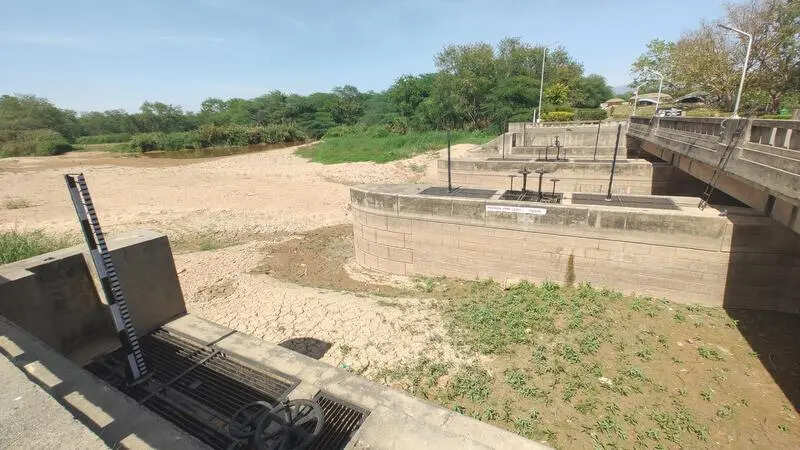
Chandigarh: With a portion of Sukhna Lake near the regulatory end showing signs of drying up, the UT administration is planning to undertake de-siltation of the affected areas.The decision was taken at a recent meeting of the Chandigarh Wetland Authority, where it was resolved that the de-siltation exercise would be carried out while ensuring protection of the lake’s bird habitat.“A detailed plan incorporating these concerns is being prepared and will be implemented shortly. The areas identified for de-siltation will be carefully demarcated,” a UT official said. The official added that field visits by experts from various organisations and UT departments are also being planned to assess the ground situation.Experts from WWF-India and the Wildlife Institute of India (WII), along with local stakeholders such as the forest and engineering departments, have been roped in to work out suitable measures, including de-siltation.The official, however, sought to allay concerns over the lake drying up completely. “The regulatory end is likely to be affected more, but the main lake area will not dry up. Water levels usually decline during summer, but the chances of the lake drying up entirely are minimal,” the official said.Mercury touches 38°CSummer conditions further tightened their grip on the city on Wednesday, with Chandigarh recording a maximum temperature of 38.1°C — three degrees above normal — according to the India Meteorological Department (IMD). The minimum temperature settled at 16°C, five degrees below normal, leading to a stark day-night temperature contrast.The IMD forecast indicates that day temperatures are likely to rise further to 37–39°C over the next two to three days before a marginal dip. Minimum temperatures, meanwhile, are expected to gradually climb and hover between 17°C and 19°C.With temperatures climbing above normal, the IMD has advised residents to take precautions against heat exposure, particularly during peak afternoon hours, as summer intensifies in the city.