








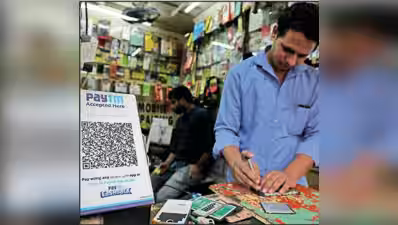
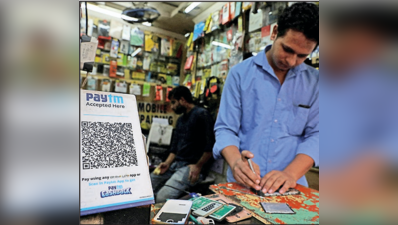
Chandigarh: Traders across Chandigarh, Panchkula and Mohali are concerned that any additional charges on UPI transactions could further squeeze their margins, with most saying it may not be practical to pass the cost on to consumers.Neeraj Bajaj, chairperson of the Chandigarh Business Council, said traders were still examining the issue and a collective decision had yet to be taken. “These are competitive times, and to pass on the additional cost to consumers may not be feasible in this scenario. So far, we have not passed the additional cost to the consumer,” he said.For retailers, the concern is particularly acute as UPI has become a preferred mode of payment. Ajay Gupta, an electronic appliances retailer in Sector 22, said nearly 90% of his customers opted for UPI rather than cash or cards.“UPI is for the benefit of customers. They will not be ready to pay an additional cost in terms of UPI charges. Ultimately, it is the trader who will have to bear it,” Gupta said. He added that retailers were already facing pressure on margins because of competition from large online portals, which would soon launch their festive-season sales. “The government should reconsider these UPI charges,” he said.In Panchkula, Panchkula Chamber of Commerce and Industries (PCCI) chairperson Arun Grover said passing the charges on to customers was “not practically possible”. “Ultimately, traders will have to bear the burden. These charges should be rolled back as UPI payments have also been beneficial for the government,” he said.Mohali Beopar Mandal president Sarabjit Singh Paras raised concerns over the possible impact on compliance. He said customers were unlikely to accept a 0.4% charge on bills above Rs 2,000, which could encourage some merchants to prefer cash payments and lead to more transactions being kept outside the GST system.Under the existing framework, person-to-person UPI payments remain free, while UPI payments to small merchants up to Rs 2,000 remain free. Small vendors earning up to Rs 1 lakh a month through QR-code payments also continue under the zero-MDR framework. Banks have also been instructed to ensure that merchants do not pass MDR costs on to consumers.