








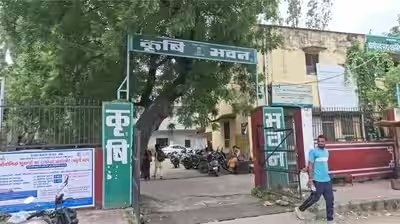
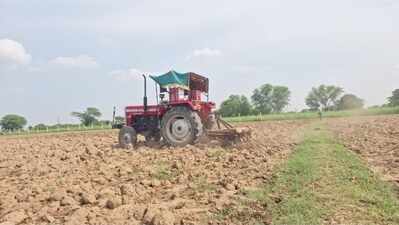
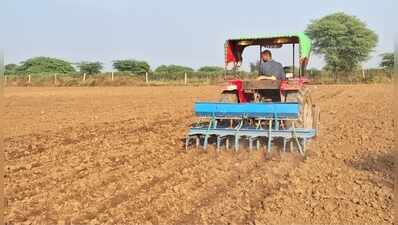
Bhilwara: The weak monsoon this year in Bhilwara district, coupled with reduced production of major kharif crops, is expected to impact the upcoming rabi season as well. Farmers are likely to cultivate nearly one lakh hectares less land during rabi sowing. Meanwhile, Agriculture Department has begun preparations for the season and formed special teams to ensure the timely availability of fertilisers and quality seeds to farmers.The joint director of the department has advised farmers to sow mustard during the second half of October, when temperatures are expected to be relatively lower. He also emphasised the importance of treating seeds before sowing, describing beejopchar (seed treatment) as a crop’s insurance and protective vaccine against diseases.According to Bhilwara Agriculture Department Joint Director Vinod Kumar Jain, sowing of mustard for the upcoming rabi season has already begun in some parts of the district following the harvesting of kharif crops. While gram sowing is expected to start in the second half of October, wheat and barley will be planted during November.Jain noted that current temperatures are three to four degrees Celsius higher than the ideal conditions required for mustard cultivation. Therefore, only those farmers who have sufficient soil moisture and access to irrigation water should proceed with mustard sowing, as they can maintain a favourable microclimate for the crop.Agriculture Department has set a rabi sowing target of 2.5 lakh to 2.8 lakh hectares in the district, covering major crops such as wheat, gram, mustard and barley. Officials said there is an adequate supply of fertilisers, including 12,000 metric tonnes of urea, 7,000 metric tonnes of DAP and 7,000 metric tonnes of NPK fertiliser.However, rabi cultivation is expected to decline significantly this year because of water scarcity. Sowing is likely to be around one lakh hectares lower than last year. In comparison, rabi crops were sown across 3.7 lakh hectares in Bhilwara district during the previous season.At the same time, advising farmers, the agriculture officer said that he only wants to advise farmers to sow crops only after beejopchar, because beejopchar in itself is an insurance and vaccine. When the seed is treated, treatment of 80% to 90% of diseases is completed with seed treatment.