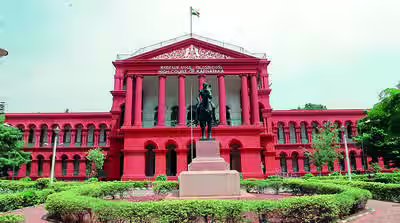








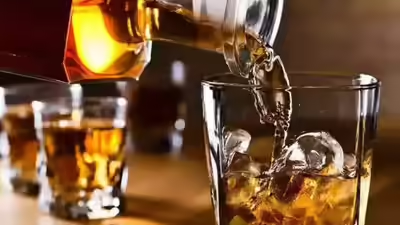
BENGALURU: Alcoholic beverages with higher alcohol content are set to become costlier in Karnataka, while lower-strength variants may turn relatively cheaper under a proposed overhaul of the state’s liquor taxation policy that links excise duty directly to alcohol content. According to excise commissioner R Venkatesh Kumar, Karnataka is the first state to introduce taxation based on alcohol content. With the new system based on alcohol by volume (ABV) per litre, Karnataka govt’s draft amendment to excise rules replaces the existing MRP-linked structure. Under the draft, a whisky with higher ABV will attract greater tax compared to a lower-strength variant. Markets reacted positively to the news. Radico Khaitan gained 5.6%, United Breweries rose 3.4%, and Tilaknagar Industries advanced 4.2% during intraday trade Monday. Excise minister R B Timmapur said the draft notification issued under the Karnataka Excise Act, 1965 last Friday, is open to objections and suggestions for seven days. “The govt will finalise the framework after reviewing stakeholder feedback, which is expected to reshape pricing dynamics across the market, especially in premium and super-premium segments,” Timmapur explained. He further clarified: “While the Rs 1,000 per litre duty on pure alcohol will remain, a final decision on additional excise duty will be taken after considering public feedback and the state’s revenue position.” Abneesh Roy, the executive director and head of research at Nuvama Institutional Equities, said premiumisation may strengthen across whisky, gin, vodka, rum and brandy. Whisky in India typically ranges between 36% and 50% ABV, while beer ranges from 4%-8%. Premium imported spirits and Indian single malts often operate at higher strengths, with select variants exceeding 50%. The draft also compresses additional excise duty slabs from 16 to eight categories, ranging from Rs 50 per litre of pure alcohol in lower segments to Rs 3,700 in premium categories priced above Rs 5,000. Beer slabs are placed between Rs 800 and Rs 2,700. Concessional rates, though, will continue for defence and paramilitary canteens. Federation of Wine Merchants’ Association general secretary B Govindaraj Hegde said pricing outcomes could vary across segments. “Lower-priced categories could see a 15-20% increase, while premium segments may experience marginal reductions, depending on alcohol strength adjustments,” he said.