








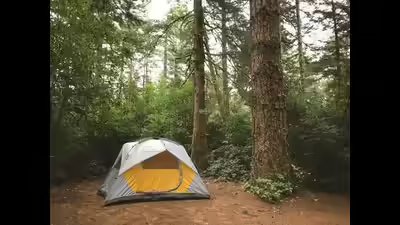
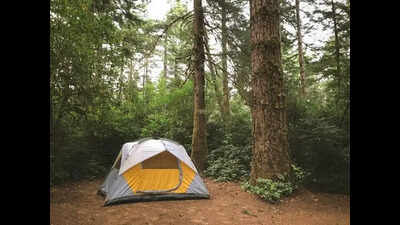
Bengaluru: The reported sexual assault on the US citizen has highlighted the risks to safety of solo travellers who stay in tents, which do not have any locking mechanism inside.Adventure enthusiasts, especially those on trekking trips, or travellers opting for tent accommodations in homestays and resorts need to assess how safe these experiences really are. Experts say that tents come with inherent vulnerabilities.“There are various kinds of tents based on shape, altitude and materials. The most important aspect is ensuring proper ventilation — keeping the tent slightly open for fresh air to avoid suffocation. At the same time, one must look out for dangers lurking around,” said S Srivatsa, secretary of Karnataka Mountaineering Association (KMA).He added that personal security should be regarded as a critical aspect. “A tent is like a home for an individual, and no one should enter without consent. In setups where tents are part of homestays or private estates, especially canvas tents, people must be extremely cautious about who is allowed inside and should never permit strangers.”The issue is complicated by regulatory ambiguities around camping. Clement Dominic, secretary of Bangalore Mountaineering Club (BMC), pointed out that in many parts of Karnataka, pitching tents freely is not permitted. “Trekkers are often required to stay in homestays that offer tent-like accommodations. In such cases, the safety of people is dependent on the property owner’s arrangements and security protocols,” he said.BOX: STEPS TO REMEMBER– Never allow unknown persons into your tent; treat it like a private space– Camp in groups rather than alone, especially in remote areas– Inform someone about your location and expected return– Avoid isolated or poorly monitored locations– Ensure proximity to a caretaker, guide or security personnel– Ensure zippers and closures are functional and secured at night