









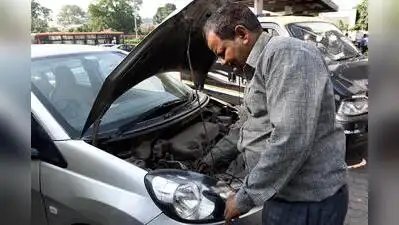
Hyderabad: The state govt is set to replace manual vehicle fitness inspections with automated testing stations (ATS), where sensors will assess braking efficiency, engine performance, emissions and other parameters before a vehicle is certified roadworthy.The state govt plans to establish 15 ATSs in the first phase, with the tender process nearly complete, transport department sources said. The stations will test heavy and medium vehicles, including trucks and buses, as well as light motor vehicles such as cars and jeeps. The govt plans to expand the ATS network to the proposed 37 locations after the first phase.The first 15 stations will be set up at deputy transport commissioner and regional transport officer offices, divided into two clusters.Currently, fitness inspections are conducted manually under the supervision of motor vehicle inspectors (MVIs). The transport department official said the existing system has sometimes resulted in vehicles receiving certificates after only basic visual checks, raising concerns over whether their actual roadworthiness is being properly assessed.According to transport commissioner K Ilambarithi, under the ATS system, vehicles will be driven through specialised sensor-equipped equipment. Their braking performance, engine condition, emission levels and other prescribed parameters will be assessed automatically.Test results will be uploaded directly to the Union road transport ministry’s Vahan portal.“The system would reduce reliance on visual assessments and require vehicles to meet prescribed technical standards. Vehicles that fail will have to undergo repairs and clear the test before receiving a fitness certificate,” the transport commissioner said.Officials expect the automated system to standardise testing, improve transparency and reduce scope for manipulation, while helping identify mechanically unsafe and heavily polluting vehicles.