









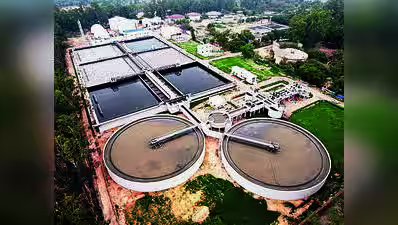
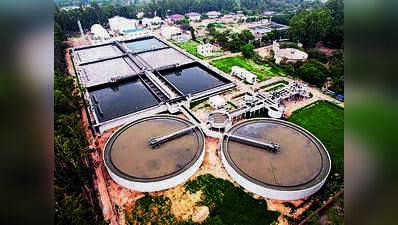
Chandigarh: Chandigarh’s sewage treatment plants (STPs) may have largely remained within prescribed limits during April-June, but sharp month-to-month spikes in key pollutants at individual facilities expose gaps in the consistent treatment of the city’s wastewater, raising concerns over the quality of treated water being discharged or reused.Chandigarh Pollution Control Committee’s (CPCC) April-June monitoring data shows that most parameters remained within prescribed limits across the city’s eight major STPs. However, fluctuations in ammoniacal nitrogen, BOD and COD levels from month to month suggest that compliance on paper may not always translate into consistently clean treated sewage being discharged or reused.At the Maloya STP, ammoniacal nitrogen touched 16 mg/litre in April, more than three times the permissible limit of 5 mg/litre, before falling to 2.4 mg/litre in May and below detectable levels in June. The same plant had also recorded an ammoniacal nitrogen level of 16 mg/litre in February, indicating that nitrogen removal remains an intermittent concern.Raipur Kalan-I recorded a BOD level of 5.2 mg/litre in April and 3.2 mg/litre in May before it fell below detectable levels in June. At Raipur Khurd, June readings showed COD at 40 mg/litre, BOD at 7.4 mg/litre and ammoniacal nitrogen at 4.6 mg/litre.From breaches to fluctuationsThe latest data marks a shift from the January-March quarter, when nitrogen pollution was more pronounced. During that period, ammoniacal nitrogen exceeded the 5 mg/litre limit in nine of 24 samples, while total nitrogen crossed the 10 mg/litre limit in eight samples.Raipur Khurd was among the biggest concerns, with ammoniacal nitrogen rising from 0.94 mg/litre in January to 14 mg/litre in February and 18 mg/litre in March. Total nitrogen touched 26 mg/litre in February and 21 mg/litre in March.The April-June figures indicate improvement, but they also show that treatment performance can vary significantly between months and plants.Why it matters“Chandigarh increasingly relies on treated wastewater for reuse, while treated discharge ultimately enters the city’s network of drains and water channels. Any deterioration in treatment quality can therefore add to the pollutant load reaching the receiving environment,” a senior UT official said.CPCC monitors STP outlets every month, making plant-wise variations important even when the overall quarterly picture remains within prescribed norms. Short-duration spikes can otherwise be masked in assessments based on broader compliance trends.On the positive side, pH remained largely stable between 7.0 and 7.8, BOD and COD generally stayed within prescribed limits, and faecal coliform remained below detectable levels at all eight STPs throughout the quarter.“For the city, the latest data shifts the focus from simply achieving compliance to ensuring consistent treatment performance month after month, particularly in nitrogen removal at the revamped plants,” the official said.