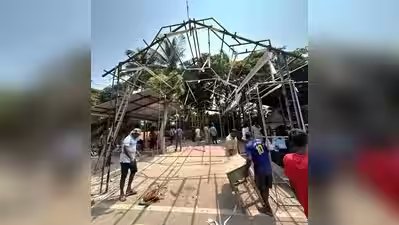









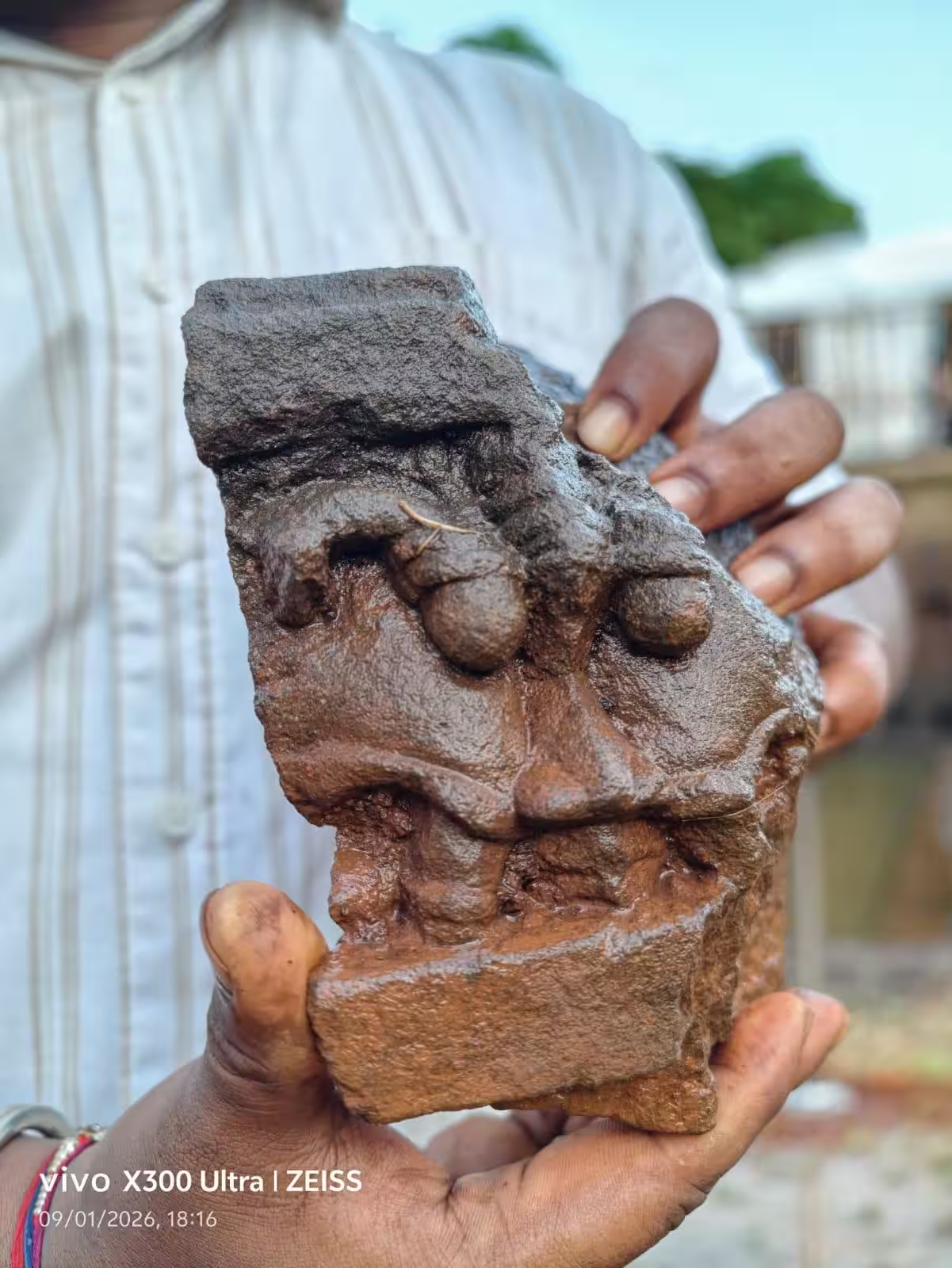
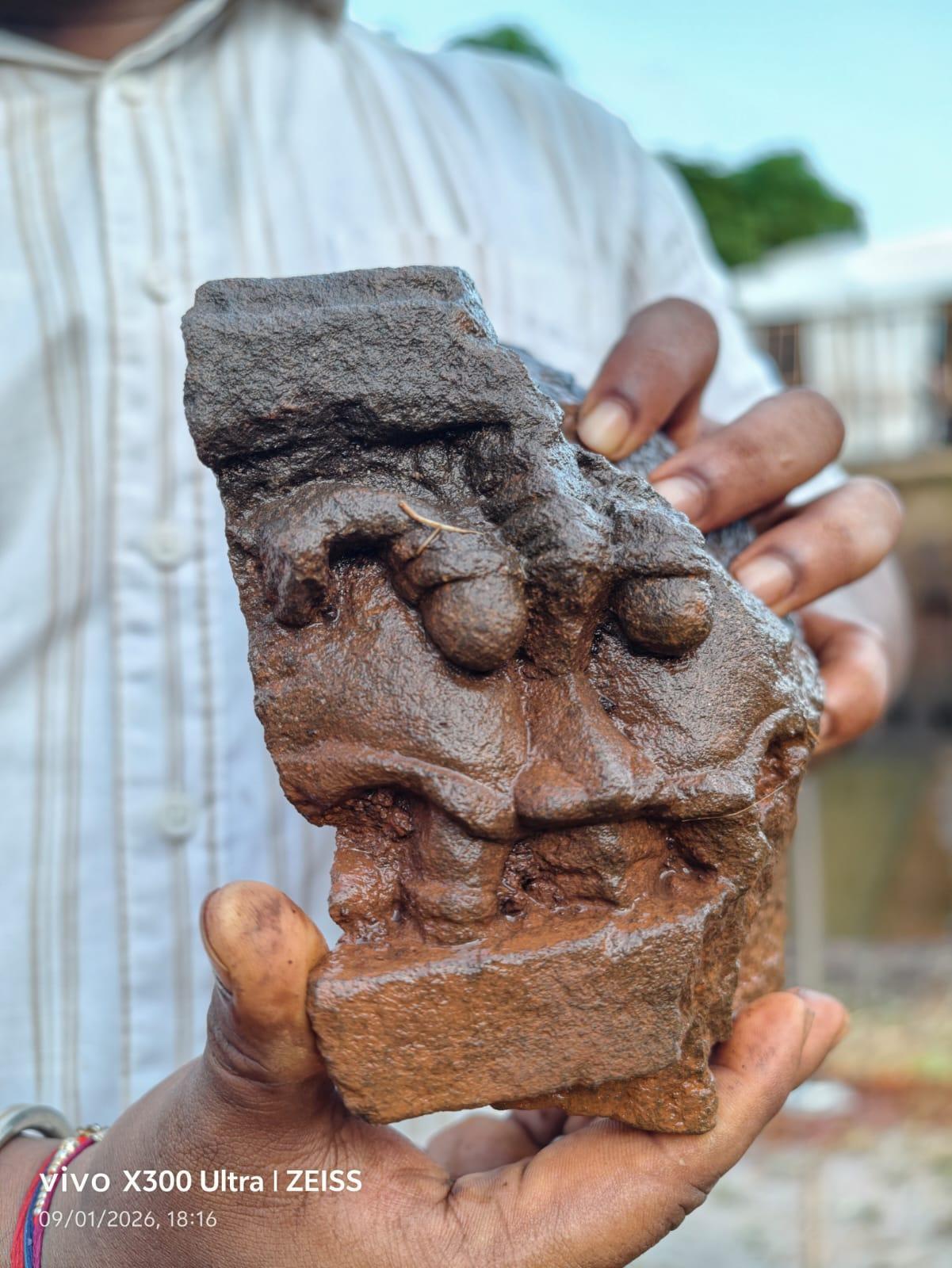
Panaji: Stone relics believed to date from the 14th to the 16th century have been discovered near the Koti Tirtha tank on Divar Island during preparatory work for the Koti Tirtha Corridor project. The finds have not yet undergone detailed scientific or archaeological study, but will be placed on public display at a programme at the site on Friday to mark Gokulashtami.The discovery comes as work advances on the Koti Tirtha Corridor project, being executed by the directorate of archaeology through the Goa State Infrastructure Development Corporation (GSIDC) at the Saptakoteshwar temple site. The state cabinet approved the corridor’s development last Sep, with the project intended to commemorate the destruction of temples during the 450-year Portuguese regime.Chief minister Pramod Sawant said the relics point to “the existence of an ancient temple complex and sacred corridor”. He added that the “variety of stone typologies and temple motifs points towards successive reconstruction of the temple during the Vijayanagar period, following the destruction of the earlier Kadamba period temple”. According to Sawant, these relics from multiple eras are “an important archaeological discovery that strengthens the historical chronology and sacred legacy of this ancient site in Goa”.Director of archaeology Nilesh Faldesai told TOI that the artefacts appear to be remnants of older structures, possibly parts of pillars or other architectural elements. He said they were found near the Saptakoteshwar temple and the Koti Tirtha tali (tank) as workers carried out cleaning, pathway reconstruction, and other preparations for Friday’s programme.Among the objects recovered is an anthropomorphic or zoomorphic carved motif resembling a Kirtimukha, a decorative element commonly associated with medieval architecture. Faldesai said the Kirtimukha is believed to have belonged to a temple, though this has not yet been confirmed through archaeological examination. He noted that the absence of inscriptions currently prevents definitive attribution to a specific dynasty or monument.Additional director of archives Balaji Shenoy described the Koti Tirtha tank as being hewn directly into laterite rock at the north-eastern corner of the temple complex. He said flights of steps were cut into the rock at the northern and southern entrances to provide access to the water. The rock-cut walls, he added, are decorated with two rows of Rekha-Nagara shikhara motifs, separated by small niches known as ‘dev koshtak’, where deities are believed to have been placed. Shenoy said similar motifs appear on Kadamba-period coins and in temple architecture in Karnataka, indicating broader regional architectural connections.