









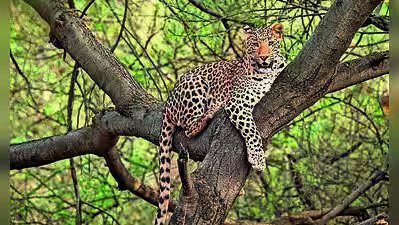
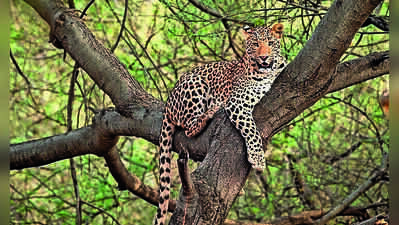
Jaipur: The Ranthambore Tiger Reserve (RTR) administration is testing an AI-based wildlife detection system to alert villagers when big cats move towards human settlements, as part of efforts to prevent man-animal conflicts.The technology is being tested against the backdrop of three recent leopard attacks on humans and several cattle attacks in and around the Ranthambore landscape, heightening concern in villages along the reserve’s edges.RTR DFO Manas Singh said, “As a pilot project, the system has been installed to cover five villages in Phalodi range. The first trial results are expected next week and, if successful, we plan to expand the system to around 20 villages identified as leopard conflict hotspots.”Singh said, “The system is being introduced primarily to deal with leopard movement at present, although the technology can detect other wildlife as well, including tigers and sloth bears. Since there are no cases of these two entering villages, the focus is on leopards.”The system uses sensors and AI-based detection to identify an animal entering a monitored zone. When a leopard is detected on a route leading towards a populated area, an alarm is triggered to warn residents and potentially drive the animal back towards the forest.RTR is testing the technology on the Kerala model, where similar systems have been used to monitor elephants and warn communities about their movement, to assess whether it can work in areas where leopards frequently move between forests and human-use landscapes.Devices have been installed at sites selected based on leopard movement, including locations around the old city of Sawai Madhopur and villages such as Dumonda, Hindwad and Todra in the Phalodi Range. Forest officials have mapped trails and dirt tracks used by wild animals while moving towards populated areas. “The idea is to detect the animal at the edge of a settlement rather than wait for an encounter to occur,” said a forest official.