







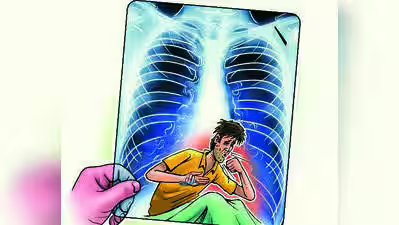
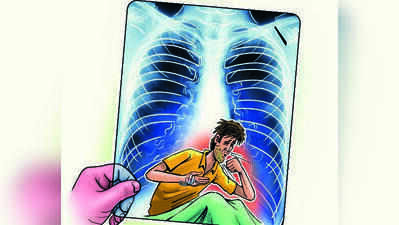
Jaipur: Rajasthan continues to face a significant tuberculosis (TB) burden, with nearly 12% of the people screened across the state testing positive during a recent screening campaign, according to health department data.Between Dec 7, 2024 and Aug 23, 2026, health teams screened 22.8 lakh people for TB, of whom 2.8 lakh were identified as TB cases. Rajasthan ranked 12th among states and Union territories in terms of TB positivity detected during the screening period.Delhi reported the highest positivity rate at 42%, followed by Bihar at 33% and Punjab at 29%.A health dept official said the campaign aimed to identify hidden TB cases early and ensure timely treatment. Door-to-door screening was conducted among vulnerable groups, including people living with HIV/AIDS, diabetes patients, those aged above 60, malnourished individuals, smokers, alcohol users, migrant workers, tribal communities and former TB patients.People living or working in mining areas, construction sites, jails and urban slums were also covered under the screening drive.Officials said TB is caused by the bacterium Mycobacterium tuberculosis and usually affects the lungs, though it can also affect the brain, kidneys, spine, and other parts of the body. Active pulmonary TB can spread through the air when an infected person coughs, sneezes or speaks, particularly in poorly ventilated spaces.Health officials said TB does not spread through handshakes, public toilets, sharing food or utensils, or routine social contact. Patients with lung TB generally stop being contagious after taking appropriate medicines for at least two weeks, while TB affecting organs other than the lungs usually does not spread to others.Under the National TB Elimination Programme, free screening and treatment services are available at public health facilities and several private healthcare centres.The TB Aarogya Sathi app provides information on symptoms, nearby diagnostic and treatment facilities, medication side effects and nutritional guidance for TB patients. The programme focuses on early diagnosis, quality testing, assured drug treatment, private-sector engagement, contact tracing, preventive treatment, nutrition support, airborne infection control and interventions for vulnerable populations.