









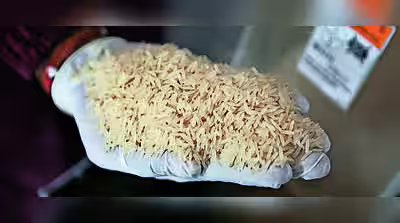
Chandigarh: Growing food security priorities in the Middle East and a shift in international shipping routes could boost demand for Indian basmati rice, potentially yielding better returns for Punjab’s exporters and farmers.As major Gulf buyers move away from short-term purchases to build strategic reserves against supply chain disruptions, increased export orders could also lead to higher paddy prices in local mandis.Amid ongoing geopolitical uncertainties and supply chain bottlenecks, Middle Eastern nations are shifting towards long-term supply agreements and advance purchases. Arid climatic conditions and limited freshwater resources constrain grain production across the region, making these countries heavily reliant on dependable suppliers such as India and Pakistan to maintain national food reserves.The Middle East remains the largest destination for India’s basmati rice exports, accounting for roughly 70% of the country’s total shipments.Key markets such as Saudi Arabia, Iran, the United Arab Emirates and Iraq rely heavily on premium Indian basmati to meet local culinary demand and maintain national food reserves. Iran, in particular, has a strong preference for parboiled varieties.To avoid high ocean freight rates and port delays, major Middle Eastern buyers and Indian exporters are replacing standard container shipping with bulk and break-bulk vessels. Transporting large consignments on Middle Eastern routes by bulk vessel costs between USD 75 and USD 100 per tonne, offering traders substantial savings over expensive container bookings. Trade reports indicate that alternative break-bulk arrangements are being used to move large shipments to key markets, including Saudi Arabia, Yemen and Iraq.Ranjit Singh Jossan, newly appointed vice-president of the All-India Rice Exporters Association (AIREA), said that apart from the impact of geopolitical tensions, the trend also reflected a broader shift in the procurement strategies of Middle Eastern countries.“These nations are increasingly focusing on ensuring a continuous food supply, building strategic reserves and reducing the risks associated with potential disruptions in international supply chains,” he said.However, the current market strength should not be viewed as a guarantee of persistently high prices. A reduction in geopolitical tensions, greater availability of the new crop, replenishment of importers’ stocks or lower ocean freight costs could change the market’s direction, he added.Rice exporters in Punjab said basmati purchases had increased in the state, resulting in better prices for farmers in mandis. Prices for Pusa-1509 paddy have risen from last season’s average of roughly Rs 3,000 per quintal to around Rs 4,000 per quintal.Gulf markets drive demand–The Middle East accounts for roughly 70% of India’s basmati rice exports–Saudi Arabia, Iran, the United Arab Emirates and Iraq are principal buyers–Gulf nations are focusing on building strategic food reserves amid geopolitical uncertainty and supply chain disruptions–Arid conditions and limited freshwater resources restrict local grain production, increasing reliance on suppliers such as India and Pakistan–Buyers and exporters are increasingly turning to bulk and break-bulk vessels to reduce freight costs and avoid port delays–Stronger export demand could support basmati procurement and improve prices for farmers in Punjab