







Ahmedabad: When families migrated from Pakistan in 1971-72, they carried with them not only memories but also customs that would take root in Gujarat’s border districts. Among the most striking among them is a women-led celebration that binds 40-50 settlements by a unique Janmashtami thread.These settlements span Pragpar-2, Faradi, Sumrasar, Kapurasi, Mata no Madh, Koriyani, Orida, Jhura Camp, Nirona, Sakariya, Kankavati and Chandan Nagar in Kutch, and Tharad and Suigam in Vav-Tharad.
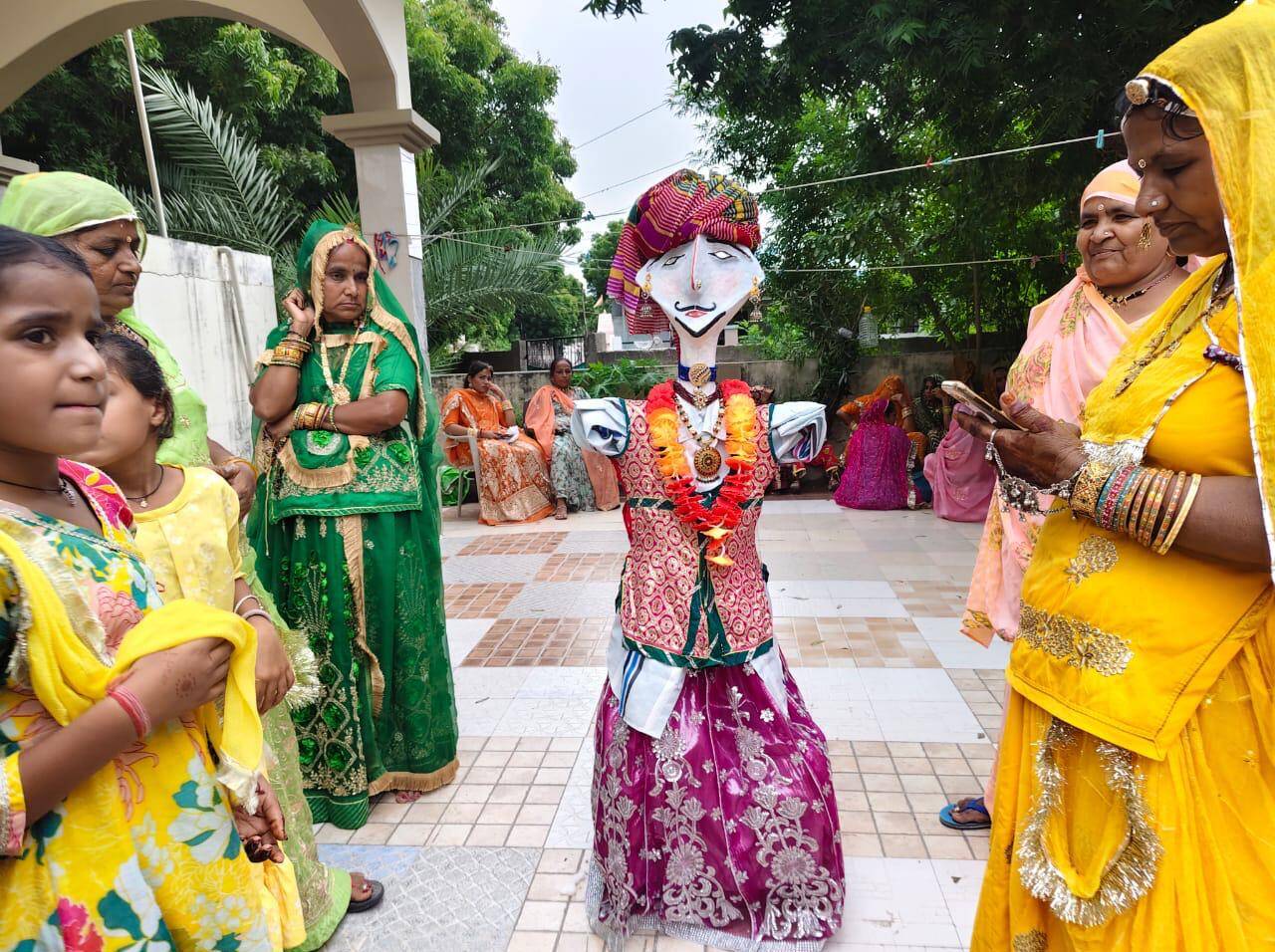
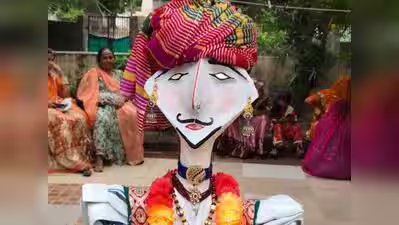
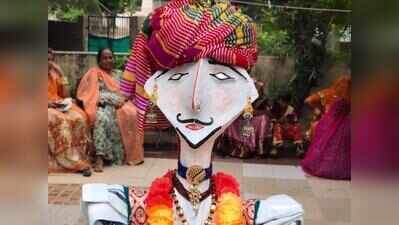
A richly adorned idol of Krishna, fondly called Kanudo, decorated by women with their own jewellery as part of the traditional Janmashtami celebration. (File Photo)
“This tradition travelled with our displaced families more than five decades ago and has continued without a break,” says Suigam resident Bhaljiram Pandya, who migrated from Pakistan in 1972.Jhura Camp’s Daduji Sodha and Kapurasi’s Dalpatram Oza say the celebration remains an important link to the ancestral homes left behind.“The most special part is that women organise everything themselves,” says Pragpar resident Nirmala. “Using six sticks, a small cot and clay from a pond, we shape the idol of Lord Krishna and dress him up in clothes and real jewellery.”“When the idol is installed in the selected house, we do not see it merely as an image,” says Tari Rathod. “We feel as if Kanudo himself has arrived at our doorstep and become a member of the family.”
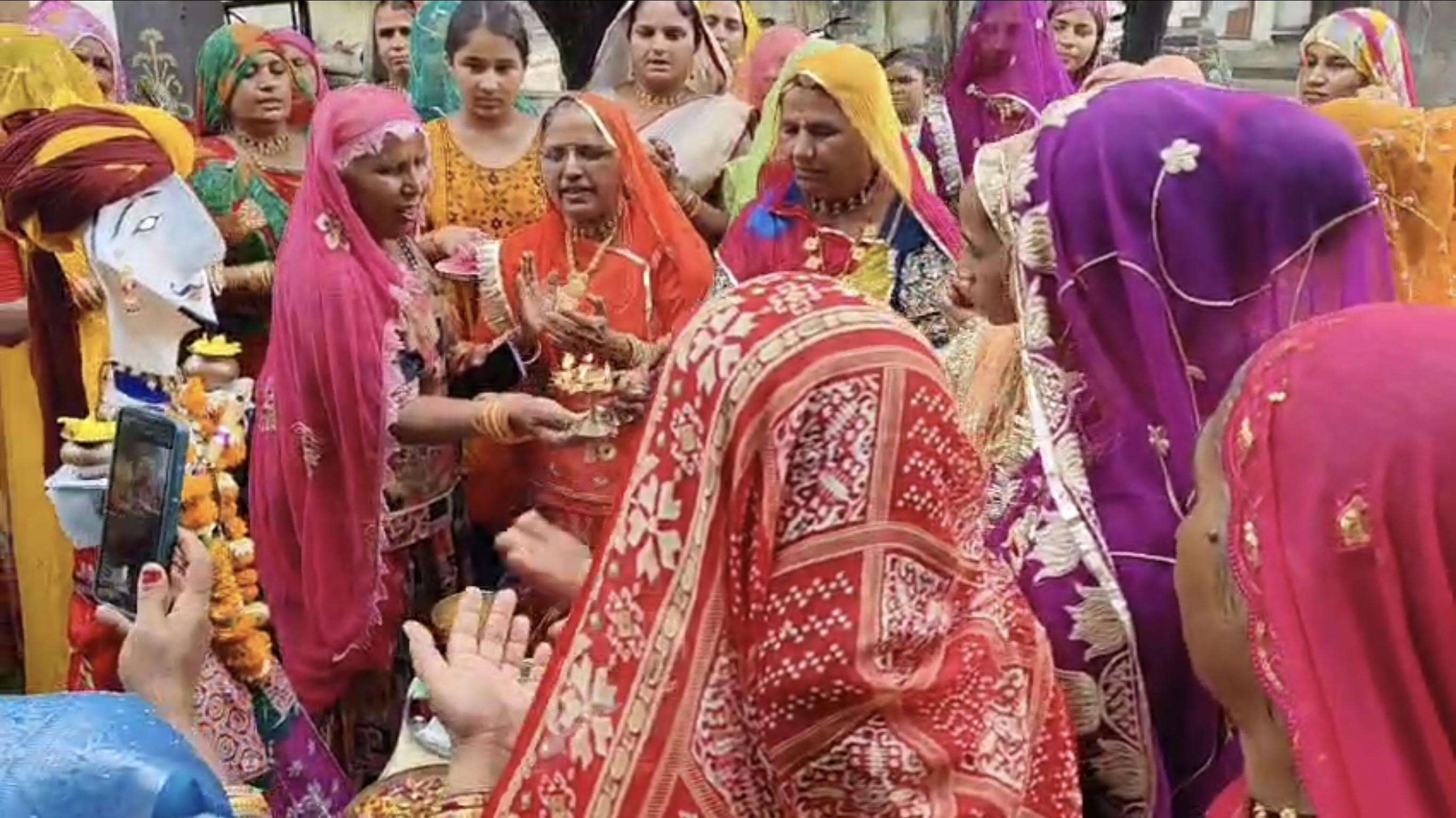
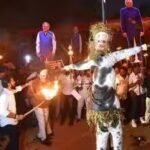
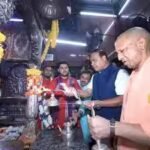
People perform aarti before the decorated idol of Lord Krishna during the traditional Janmashtami celebration
“At midnight, marking Lord Krishna’s birth, women take the idol out in a procession, sing bhajans and play raas around it,” says Krishnaben. “The singing and dancing continue through Ashtami and Navami.”“Families eagerly wait for their turn to invite Kanudo home,” says Jima. “The idol is taken from one house to another, and the rituals, songs and raas begin afresh at every home.”“We never leave him alone,” Kamala Parmar says. “Wherever Kanudo is placed, women remain gathered around him, singing, dancing and keeping him company.”
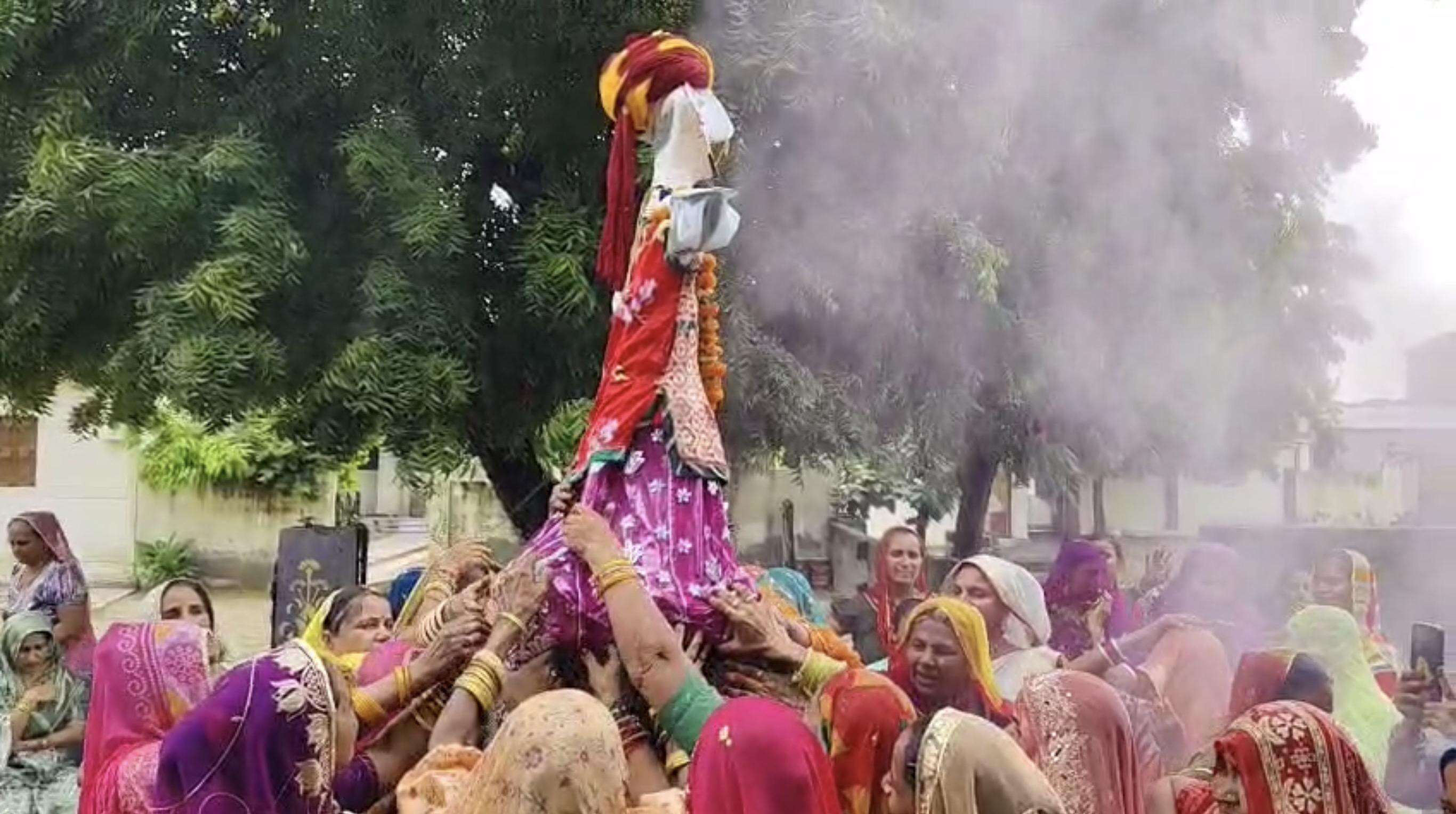
Worshippers bid farewell to the decorated idol of Lord Krishna, before taking it for immersion
The festival can continue for several days, depending on how many families wish to host the Lord Krishna, according to Basiben, who says adorning the idol is her favourite part.For immersion, women carry the idol placed on a cot on their heads to a pond or river, community elder Revati Makwana explains. “Amid drums beats, colours and songs, we perform one final raas before the immersion,” she says.