








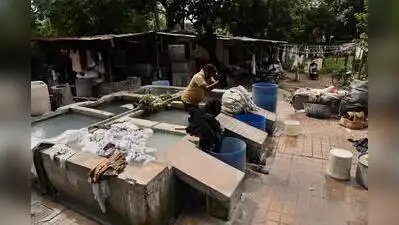
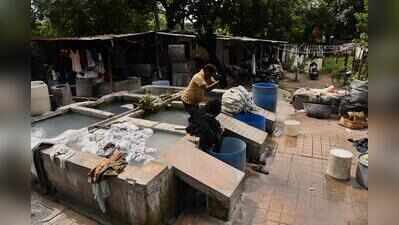
Chandigarh: Waste water generated at Chandigarh’s municipal dhobi ghats will soon be treated before being discharged, with the municipal corporation set to install effluent treatment plants (ETPs) at all seven facilities in the city.The MC general house on Friday approved floating a Request for Proposal (RFP) for the management and treatment of waste water at all dhobi ghats. The move aims to address the discharge of waste water generated during washing activities, which currently flows into drains without being processed.Officials said the waste water contains detergents, surfactants, suspended solids, oil and grease, and other organic matter generated during the washing process.Under the proposal, the selected agency will be responsible for the design, supply, installation, testing and commissioning of ETPs at all municipal dhobi ghats. The agency will also undertake operation and maintenance of the plants.The seven municipal dhobi ghats are located in sectors 7, 15, 19, 20, 22, 27 and 32.The agenda approved by the general house stated, “The competent authorities have desired that effluent treatment plants (ETPs) be established at municipal dhobi ghats for proper treatment of the waste water generated from washing activities.”As per the proposal contained in the RFP, the selected firm or agency will be responsible for the design, supply, installation, testing and commissioning of ETPs. It will also be required to carry out comprehensive operation and maintenance of the plants for five years from the date of successful trial run and commissioning after completion of the stipulated three-month trial run period.Sources said the ETPs proposed for dhobi ghats will be designed for an average flow of 25 KLD (kilolitres per day) and will be based on pre-seeded integrated fixed-film activated sludge (IFAS) technology. The objective is to achieve treated effluent standards notified by the National Green Tribunal (NGT).According to the proposal, the contractor will be required to design, manufacture, supply, seed, test, deliver and provide technical support for the pre-seeded IFAS media to be installed in the integrated fixed-film reactor of the waste water treatment plant.The proposal adds, “The media shall be suitable for municipal sewage as well as industrial wastewater applications and shall achieve the treatment efficiency specified in the process design.”The scope of work includes establishing baseline values of influent and effluent parameters before treatment begins and undertaking treatment through pre-seeded IFAS technology to achieve guaranteed outlet parameters.The selected agency will also provide pre-seeded biofilm carrier media, microbial consortium, bio-culture for commissioning and replenishment, allied materials and dosing systems. It will have to create the electro-mechanical infrastructure required for aeration, media retention and microbial and bio-culture dosing.Periodic testing of effluent samples before and after treatment will also be part of the project.As per the conditions, the agency will maintain the plants for five years after successful completion of the three-month trial run. The plants will be considered successfully commissioned only if they operate continuously without major breakdowns during the trial period and meet all guaranteed treatment parameters.The MC will provide electricity and water for the project. However, no operation and maintenance charges will be paid to the agency during the trial run period. The selected firm will also be required to submit all drawings, including pipeline layouts, to the authority before commencement of work at the site.BOX: Penalty clausesDelay penalty: The authority may levy liquidated damages of up to 0.5% of the contract amount for every week of delay, subject to a maximum of 10% of the contract value, if work is not commenced after 10 days of issuance of the acceptance letter, minimum progress is not achieved, or work remains unfinished beyond the completion dateQuality penalty: The authority can impose a penalty ranging from Rs 25,000 to Rs 35,000 per deficiency for sub-standard work or deficiencies in quality of deliverables, depending on the severity of the lapse.BOX: What the ETP project means for ChandigarhCleaner drains and water bodies: Treating waste water before discharge will reduce detergents, oils, grease and organic pollutants entering the city’s stormwater drains, helping improve water quality downstreamBetter environmental compliance: The project is aimed at meeting the National Green Tribunal (NGT)’s prescribed effluent standards, reducing the risk of regulatory violationsLower pollution load: Dhobi ghats generate waste water rich in chemicals and suspended solids. ETPs will significantly cut this pollution before it reaches the drainage networkHealth benefits: Cleaner waste water discharge can help reduce foul odours, stagnant polluted water and the growth of disease-causing microorganisms around drainsImproved urban sanitation: The move strengthens Chandigarh’s waste water management system by addressing pollution at its source rather than relying solely on downstream sewage treatment