








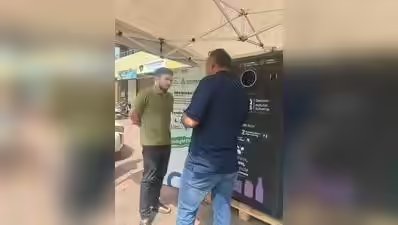

Panaji: Goa’s ambitious Deposit Refund Scheme (DRS) will go live from Sep 1, with its first phase covering liquor and liquor-based products packed in glass, plastic, metal and multi-layered packaging, the DRS authority said on Thursday in a notification.All alcohol manufacturers, importers, bottling plants and alcohol brands must register with the authority by July 31, failing which they will not be permitted to place products in the market from Sep 1 onwards, said Sachin Desai, member convener of the Goa DRS Authority.Under the scheme, customers will pay a deposit at the time of purchase of a beverage and receive a full refund when they return the empty container. This, govt said, will act as a financial incentive designed to reduce litter, improve recycling and encourage responsible disposal of non-biodegradable packaging. Reverse Vending Machines (RVMs) using QR-based identification will serve as the primary collection points across the state.In the run-up to the launch, the DRS authority has been conducting statewide outreach with live demonstrations at panchayats across multiple talukas including Canacona, Bicholim, Pernem, Tiswadi and Bardez, introducing residents and elected representatives to the mechanics of the scheme and the functioning of RVMs. Community response has been described as enthusiastic, with residents operating the machines themselves during demonstration sessions and raising queries about QR codes and waste collection and transportation.Institutional support for the scheme is building steadily. More than 65% of the state’s 191 panchayats have issued no objection certificates for RVM installation, as have four urban local bodies.Local leaders have backed the initiative. “The installation of the DRS machine is an important step towards addressing the waste management challenges faced by our village,” said Vilas Morje, sarpanch of Morjim panchayat.However, the scheme has not been without its critics. The Goa Chamber of Commerce and Industry (GCCI) and the Goa State Industries Association (GSIA) have raised concerns about its feasibility, citing inadequate infrastructure, over-dependence on a single vendor and the financial burden the scheme could place on consumers and small businesses.The Waste Management Association Goa (WMAG) has demanded that govt should first ban single use plastic in the state. The WMAG also said that instead of targeting glass bottles and PET, govt should focus on multi-layered plastic and sanitary waste.