









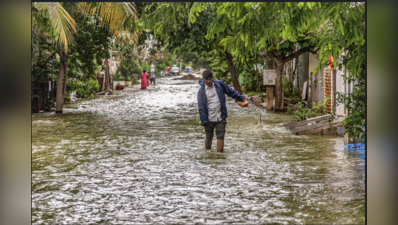
Hyderabad: Over the past three years, Telangana has recorded the sharpest proportional rise in leptospirosis cases in India, with confirmed infections increasing from just two in 2023 to 249 in 2025 — nearly 125 times higher.Till June this year, the state had already recorded 101 confirmed cases, indicating that the bacterial disease continues to circulate during the ongoing monsoon. This was tabled in the recent Rajya Sabha data on the surveillance of monsoon-related diseases.According to the data, Kerala reported the highest number of leptospirosis cases in 2025, with 4,001 infections, followed by Tamil Nadu (2,862), Karnataka (2,302) and Maharashtra (2,184). Telangana, however, recorded the steepest proportional rise, followed by Jharkhand, Madhya Pradesh, Gujarat and other states. Ladakh and Lakshadweep reported no or negligible cases.Leptospirosis is a bacterial infection spread through water or soil contaminated with the urine of infected animals, particularly rodents. Cases typically surge after heavy rains and flooding. In Hyderabad, doctors at govt and private hospitals said they usually see around 10 to 15 leptospirosis cases a month.While some patients develop multi-organ dysfunction, as the disease primarily affects the kidneys and liver, severe cases can also involve the lungs and other organs. If left untreated, leptospirosis can be fatal, doctors said.A 27-year-old man was recently admitted to a private hospital with high fever, severe body pain and worsening kidney function after initially being treated elsewhere for dengue and a viral infection.“As his condition failed to improve, we suspected leptospirosis based on his history of exposure to floodwater and confirmed it through laboratory tests. He was immediately started on antibiotics, along with supportive treatment for kidney dysfunction. He responded well and recovered without requiring dialysis,” said Dr K Seshi Kiran, infectious disease expert at Yashoda Hospitals.Experts said the rise in leptospirosis cases is likely being driven by erratic rainfall, urban flooding, poor drainage and increased exposure to contaminated water.“The disease spreads through water contaminated with the urine of infected animals, particularly rats. Heavy rains and flooding increase the risk of contamination, making human exposure more common. Rising rodent populations, poor sanitation and inadequate personal hygiene further aid transmission. Early diagnosis and timely treatment are crucial to prevent severe complications,” said Dr B Prasad, infection specialist at Nizam’s Institute of Medical Sciences (NIMS).Leptospirosis often begins like a viral fever, with symptoms such as high fever, severe body pain, headache, vomiting and red eyes, making it easy to mistake for dengue or influenza.“We usually suspect leptospirosis in patients with fever, chills, severe muscle pain and red eyes, especially if they have recently walked through floodwater. Jaundice or kidney dysfunction raises further suspicion, as these are less common in dengue and other viral fevers,” said Dr Pratik Patil, consultant at KIMS Hospitals.“Usually, doctors suspect dengue, malaria or typhoid when a patient presents with fever. But leptospirosis should also be considered, especially if there is a history of floodwater exposure. Missing the diagnosis delays the right antibiotics and increases the risk of serious complications,” said Dr Madap Karuna, infectious diseases specialist.Specialists warned that untreated leptospirosis can damage the kidneys, liver, lungs and brain, potentially leading to kidney failure, meningitis, severe lung disease and even death.“People should avoid walking through stagnant floodwater, wear protective footwear and gloves while cleaning drains or working in flooded fields, and immediately cover any open wounds. They should seek medical attention if they develop fever after exposure to floodwater,” specialists advised.