









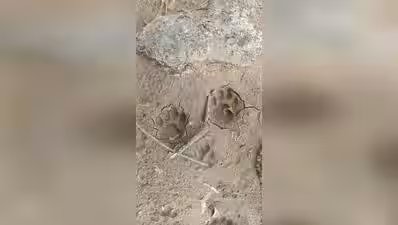
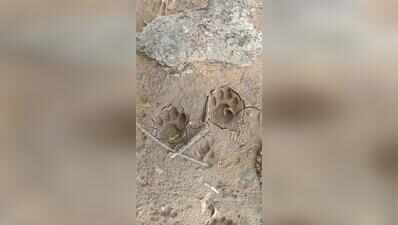
Ahmedabad: The leopard that has been making occasional appearances on the outskirts of the city may have found a relatively comfortable address in Moti Devati, Sanand, where villagers and forest officials have recorded its presence for the second time in a month.Fresh pug marks found in the area were examined by the forest department and identified as those of an adult leopard. The repeated sightings suggest that the big cat is not merely moving through the area but may have established a regular home range in the landscape.The area around Moti Devati offers the leopard several features that could make it a suitable habitat. Several old brick kilns, which have now been closed, lie scattered across the landscape. Over time, these structures and their surroundings have been covered with gando baval, shrubs and other vegetation, creating secluded pockets with little or no human disturbance. The agricultural fields and scrubland around the village also provide open spaces for the animal to move around.Forest officials, however, are cautious about drawing conclusions about whether there is one leopard or more than one animal in the area. While villagers have noticed differences in the pugmarks recorded on different occasions, officials said variations in soil conditions can also alter the appearance and size of footprints.The leopard’s possible long-term stay has divided opinion among Moti Devati villagers. Some residents believe its presence could help keep populations of nilgai and wild boar in check, as both animals frequently enter agricultural fields and can damage crops. Deputy conservator of forests, Ahmedabad, Minal Jani, said, “Some farmers have requested us to let the leopard remain in the area as it could help control the nilgai and wild boar population.”Many others in the village, however, want the leopard shifted as they fear being attacked.Officials have not established that the leopard in Moti Devati is the same leopard that was seen at Serendeep Mansions in Shela, around 11km away, on the intervening night between July 20 and 21. Forest teams had then searched the Shela area, deployed cages and used thermal drones but did not locate the animal.