









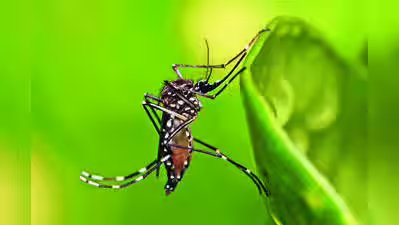
Kolkata: While dengue cases have been infrequent this season, the city and south Bengal have seen a late surge, with Kolkata being among the top three most affected areas in the state.Approximately 500 confirmed dengue cases have been recorded in Kolkata so far this season. West Bengal has surpassed 5,000 cases statewide. Over 2,500 new infections were reported in the past month alone, doubling the state’s total from mid-Aug. Kolkata ranks among the top three highest-incidence areas alongside Murshidabad (1,072 cases) and North 24 Parganas (450 cases). The Health Department has designated 29 municipalities and multiple rural blocks across West Bengal as high-risk vector control zones.The spike has been attributed to intermittent showers; leaving behind small, undisturbed puddles of rainwater. The high humidity, too, has contributed since it shortens the incubation period of Aedes aegypti larvae – the mosquito that carries the dengue virus.Manipal Hospital infectious diseases physician Sayan Chakrabarty said, “The surge usually occurs late in the season. Since the number of cases has been low this season, we have not seen an outbreak. But sporadic cases are happening and a further spike is not being ruled out.”“There have been sporadic cases with patients seeking treatment at the OPD. But so far, they did not require admission,” said Charnock head of emergency Nishant Agarwal. He added larvae growth gets erratic during heavy rain when the temperature drops or when it gets completely dry and the mercury rises. “The current mercury level is ideal as larvae thrives best in warm, humid conditions which now prevail. High humidity shortens the incubation period of the dengue virus inside the mosquito, allowing them to become infectious much faster and live longer,” said Agarwal.“We have been inundated with Influenza A and B patients over the last two months. But surprisingly, dengue cases were absent till a couple of weeks ago. Even dengue suspects have been very few. A reason could be the continuing flu outbreak that has been unusually long. Also, greater awareness and heavy rain, that have not allowed water to stagnate and restrict mosquito-breeding zones, have helped. But sporadic showers over the last few days may have helped larvae breeding,” said Soumya Sengupta, head of pulmonology at Charnock Hospital.