







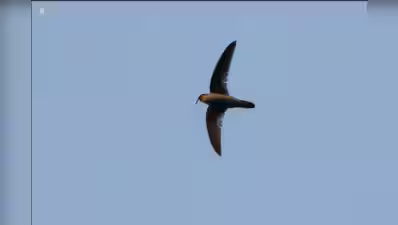
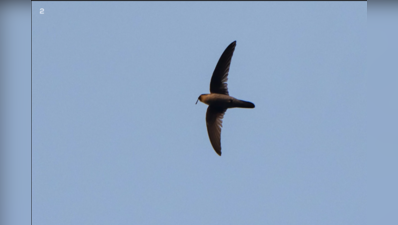
Pune: The Indian swiftlet, a small bird known for its fast and agile flight, relies on wetlands, agricultural fields and plantations for food, with availability of flying insects influencing where and when it feeds, researchers have found. The swiftlet is among the very few birds known to use echolocation in the dark to navigate. It’s not a rare bird, but the study, recently published in the journal Ecology and Evolution, said habitat degradation and loss of natural feeding grounds could affect food sources for the species.The study, funded by the Union ministry of environment, forest and climate change (MoEFCC), was conducted by PhD student Dhanusha Kawalkar (from MAHE, Manipal) as part of her doctoral research on the breeding ecology of Indian swiftlets in Western Maharashtra. The research was supervised by Dr Manchi Shirish S, principal scientist at the Salim Ali Centre for Ornithology and Natural History (SACON), Coimbatore, Tamil Nadu.The team observed the birds at different locations in Vengurla, Malwan and Kudal talukas of Sindhudurg district. Kawalkar said: “These included wetlands, mangroves, rocky islands, seashores, forests and plantations. Our study found that the birds did not use all these habitats equally. Wetlands surrounded by agricultural land and plantations, along with areas with a mix of trees and mangroves, were important feeding grounds.”At locations such as Pat and Walaval, freshwater wetlands surrounded by agricultural fields and coconut plantations offered suitable feeding conditions. Khavane, with its mangroves and coconut and mango plantations, also attracted swiftlets. At Bhogwe, the birds were observed feeding throughout the day, suggesting the area supported a good supply of insects.“We found that weather conditions, particularly relative humidity, influenced their feeding activity. Since swiftlets feed on insects while flying, changes in the availability and movement of insects can affect where the birds search for food and how much time they spend feeding,” Kawalkar added.The study also found that the birds generally preferred feeding areas closer to their breeding colonies on the Vengurla Rocks islands during the breeding season. However, they travelled farther when suitable food resources were available in other habitats. Some locations were used mainly as “passage areas” rather than active feeding grounds.Manchi said: “The findings highlight the importance of protecting wetlands, mangroves, agricultural landscapes and plantations, which support the insects that swiftlets feed on. The researchers pointed out that changes in land use, habitat degradation and the loss of natural feeding grounds could affect the availability of food for these birds.”